Netflix's Bioshock Adaptation: A Shift in Strategy and Scale
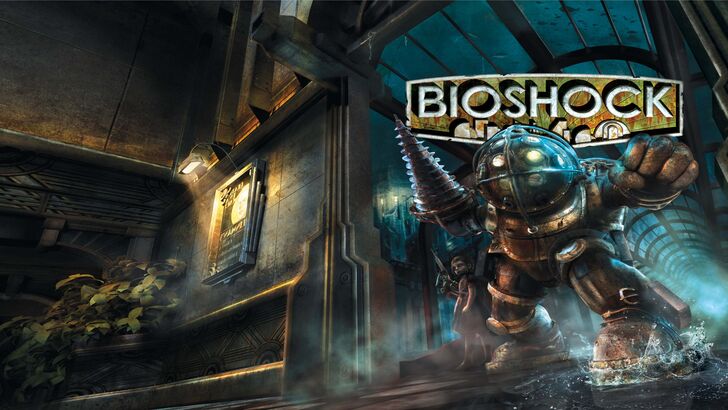
Netflix's highly anticipated Bioshock film adaptation is undergoing a significant overhaul. This involves a revised budget and a refocus on a more intimate storytelling approach.
Reduced Budget, Intimate Focus
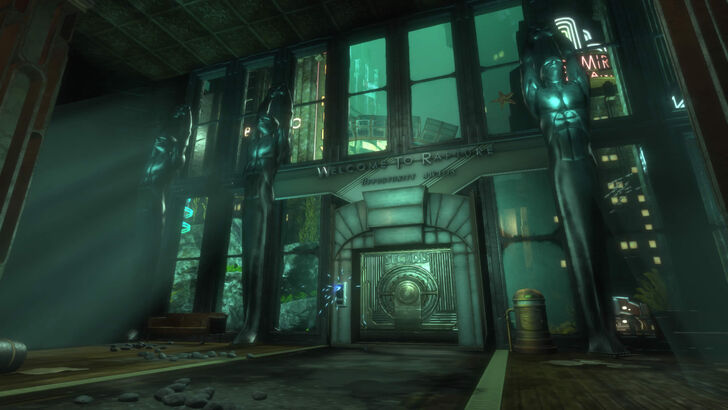
Producer Roy Lee, at San Diego Comic-Con, confirmed the project's "reconfiguration" towards a smaller-scale, "more personal" film with a reduced budget. While exact figures remain undisclosed, the downsizing may temper expectations for a visually spectacular adaptation. The original video game, released in 2007, is renowned for its atmospheric steampunk underwater city of Rapture, its complex narrative, philosophical themes, and impactful player choices. Its success spawned sequels in 2010 and 2013.
Netflix's Evolving Film Strategy

The shift reflects Netflix's broader film strategy under new Film Head Dan Lin. Replacing Scott Stuber's expansive approach, Lin prioritizes a more modest scale while retaining the core Bioshock elements – the rich narrative and dystopian setting. Lee clarified that the budget reduction is a company-wide initiative, and that Netflix's compensation structure now emphasizes viewership-based bonuses instead of backend profit buyouts. This new model potentially benefits viewers by incentivizing producers to create more audience-pleasing content.
Lawrence's Reconfiguration
Director Francis Lawrence (I Am Legend, The Hunger Games), remains at the helm, tasked with adapting the film to this new, more intimate vision. The challenge lies in balancing faithfulness to the source material with the creation of a compelling, personal cinematic experience. The evolution of the Bioshock film will undoubtedly continue to capture the attention of fans eager to see how this iconic game translates to the screen.