
Discover the Versatile World of Minecraft Flowers: A Comprehensive Guide
This guide explores the unique properties and uses of various Minecraft flowers, from crafting dyes to landscape decoration.
Table of Contents
- Poppy
- Dandelion
- Allium
- Rose Bush
- Wither Rose
- Peony Bush
- Lily of the Valley
- Tulip
- Azure Bluet
- Blue Orchid
- Cornflower
- Torchflower
- Lilac
- Oxeye Daisy
- Sunflower
Poppy
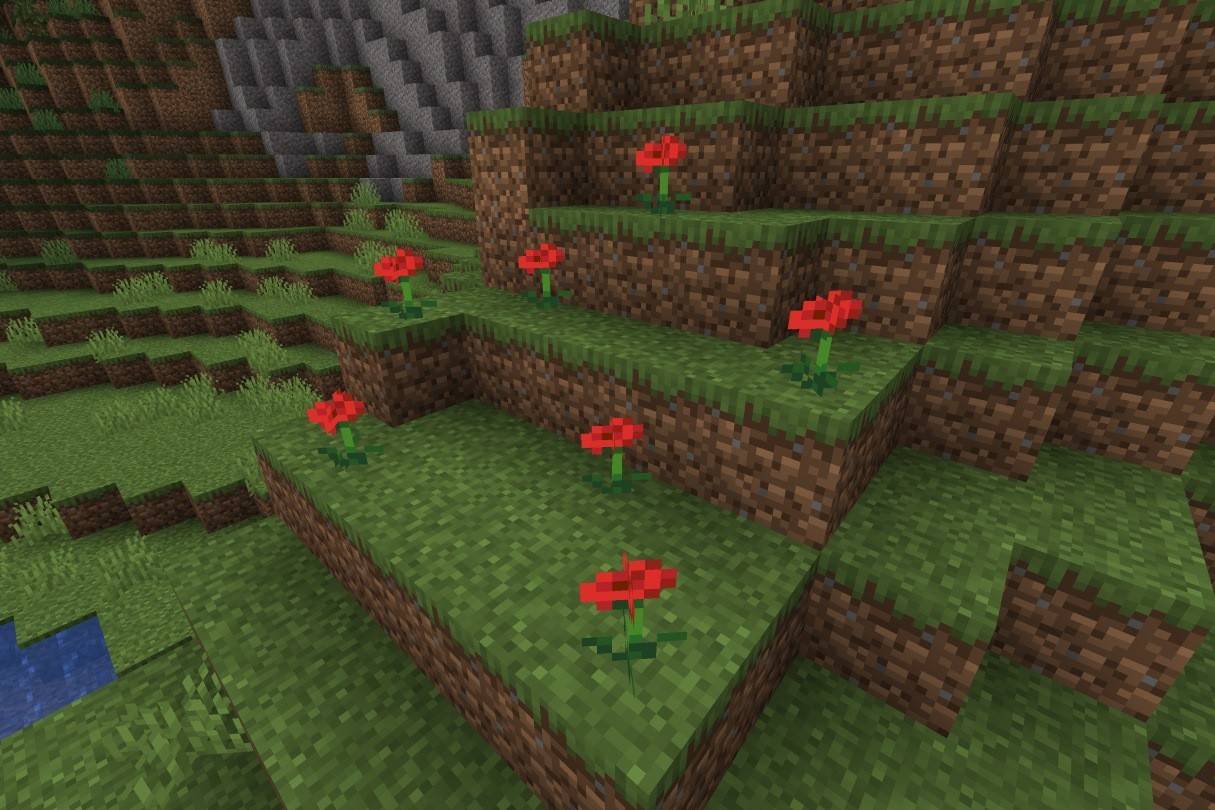 Image: ensigame.com
Poppies, the iconic red flower, are now the default replacement for roses and cyan flowers. Found in various biomes and occasionally dropped by Iron Golems, they are primarily used to craft red dye for banners, beds, wool, sheep, and wolf collars.
Dandelion
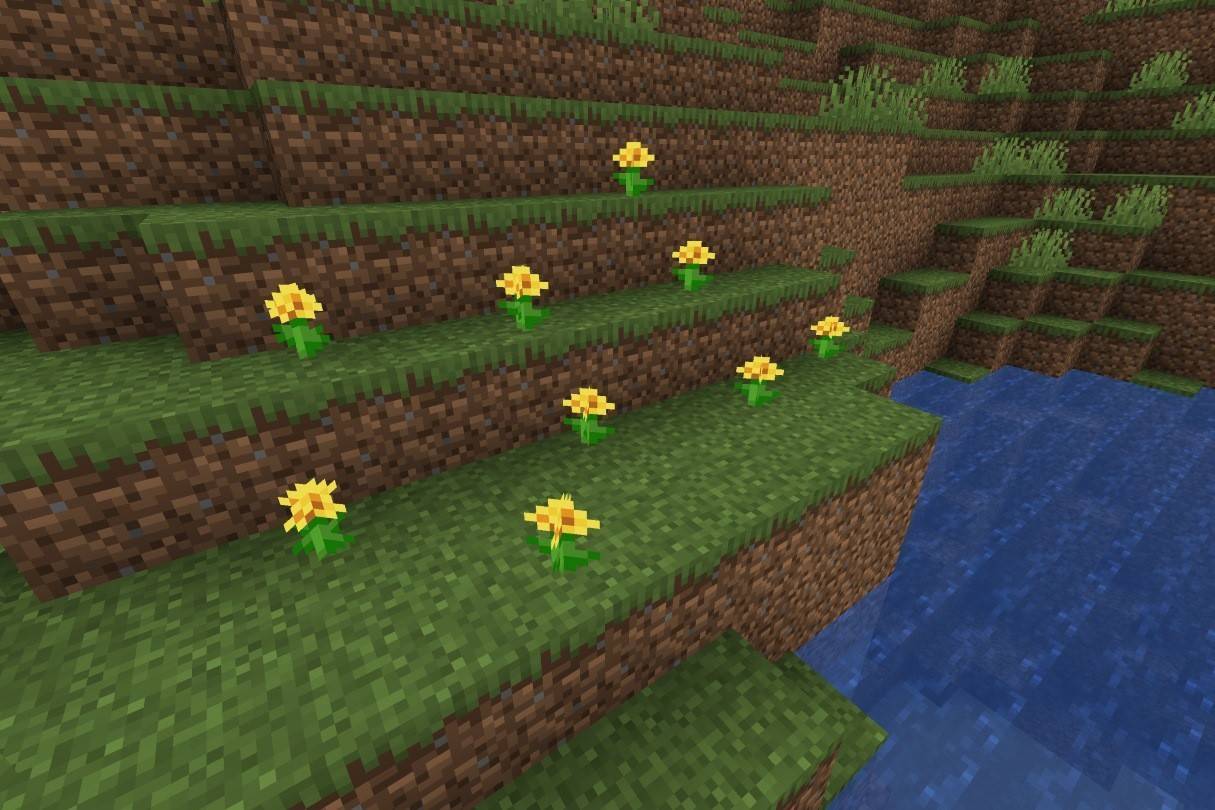 Image: ensigame.com
Bright yellow dandelions thrive in most biomes (excluding marshes and ice plains), especially flower forests. They yield one unit of yellow dye (sunflowers provide two), perfect for adding a cheerful touch to your creations.
Allium
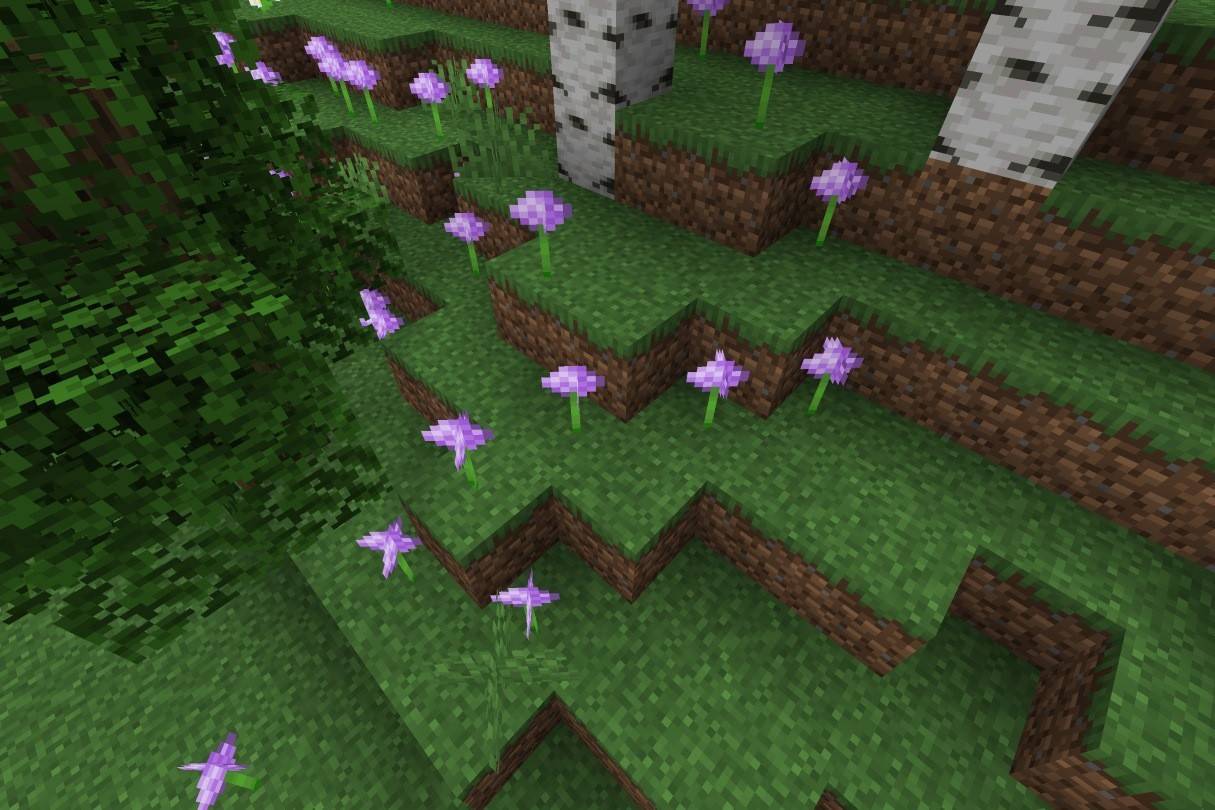 Image: ensigame.com
These stunning purple alliums, native to flower forests, produce magenta dye. Use this vibrant color to enhance your builds with magenta stained glass, terracotta, and wool.
Rose Bush
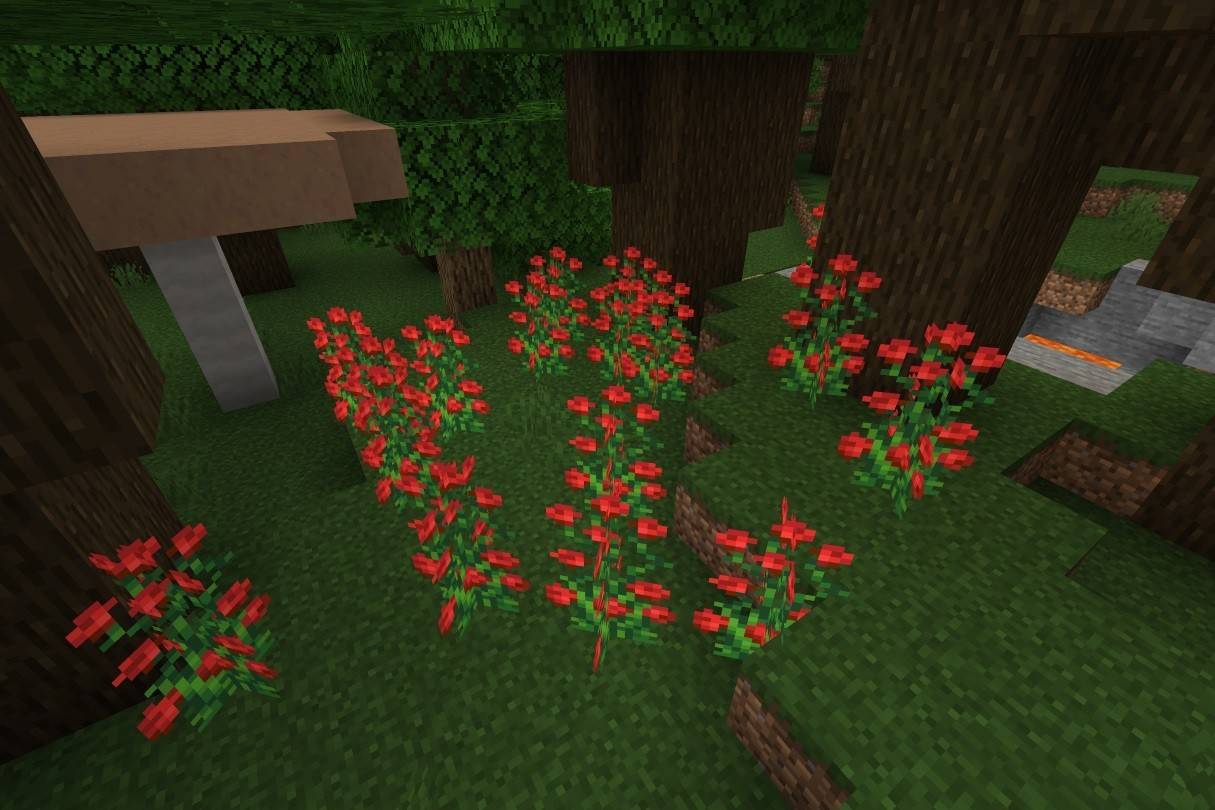 Image: ensigame.com
Tall and striking, rose bushes are found in various wooded biomes. Harvesting them yields red dye, useful for a wide array of dyeing projects, including wool, banners, beds, and leather armor. Unlike the wither rose, they pose no threat.
Wither Rose
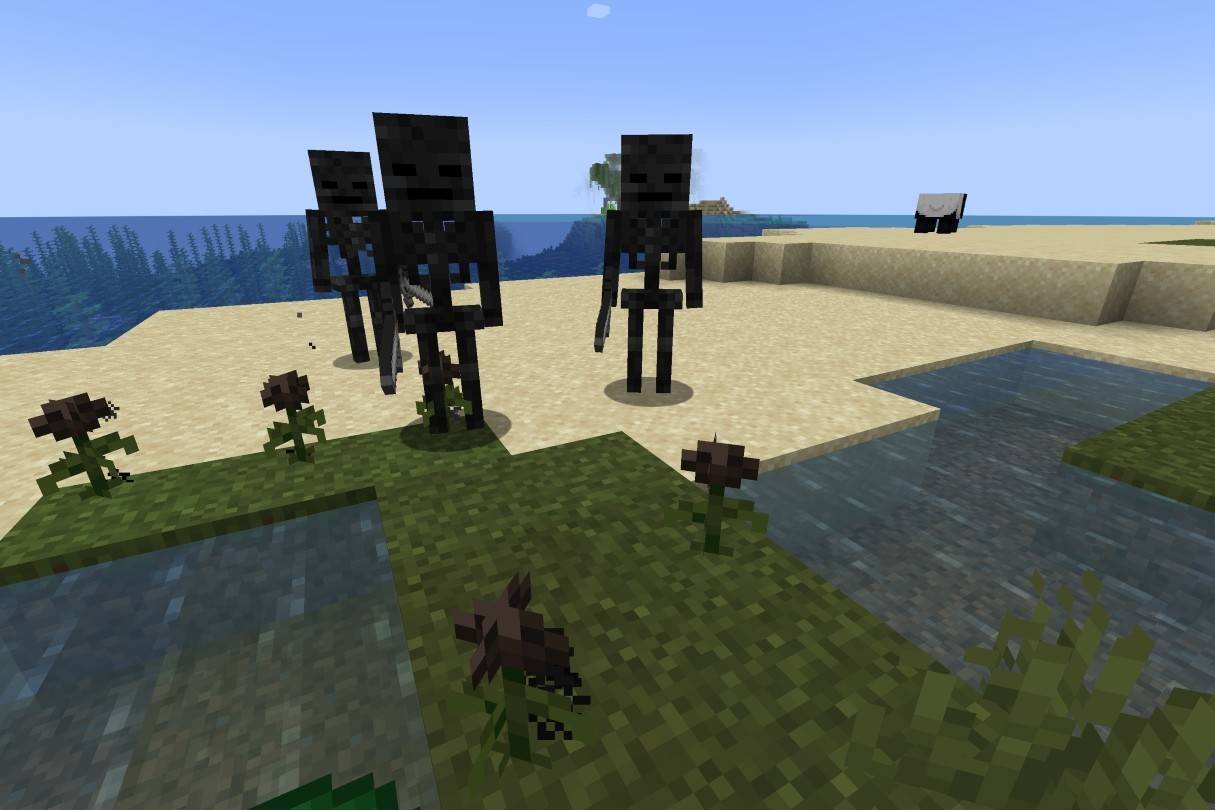 Image: ensigame.com
The dangerous wither rose, spawned by the Wither or rarely found in the Nether, inflicts the Wither effect upon contact. However, it's a crucial source of black dye for various crafting applications, including firework stars and black concrete powder. Milk cures the Wither effect.
Peony Bush
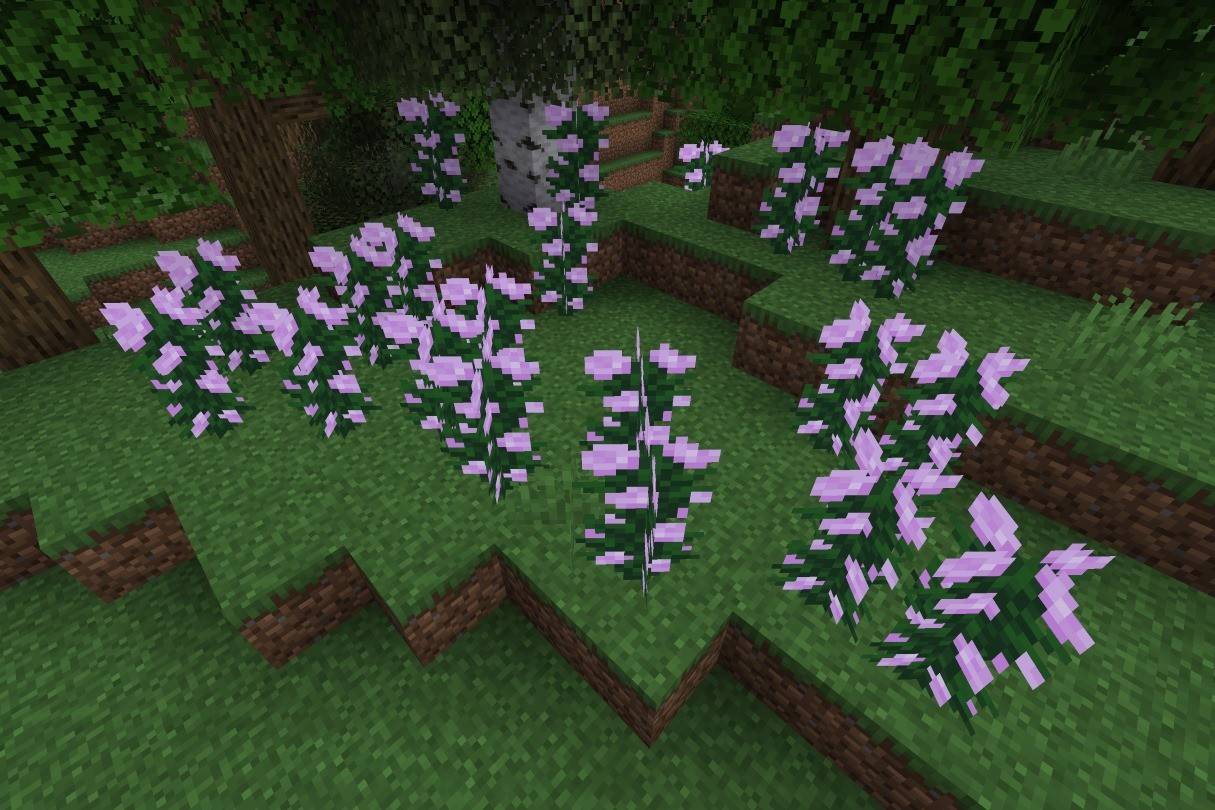 Image: ensigame.com
These tall, pink peony bushes thrive in woodland biomes. They produce pink dye (also craftable from red and white dye) and can be propagated with bone meal.
Lily of the Valley
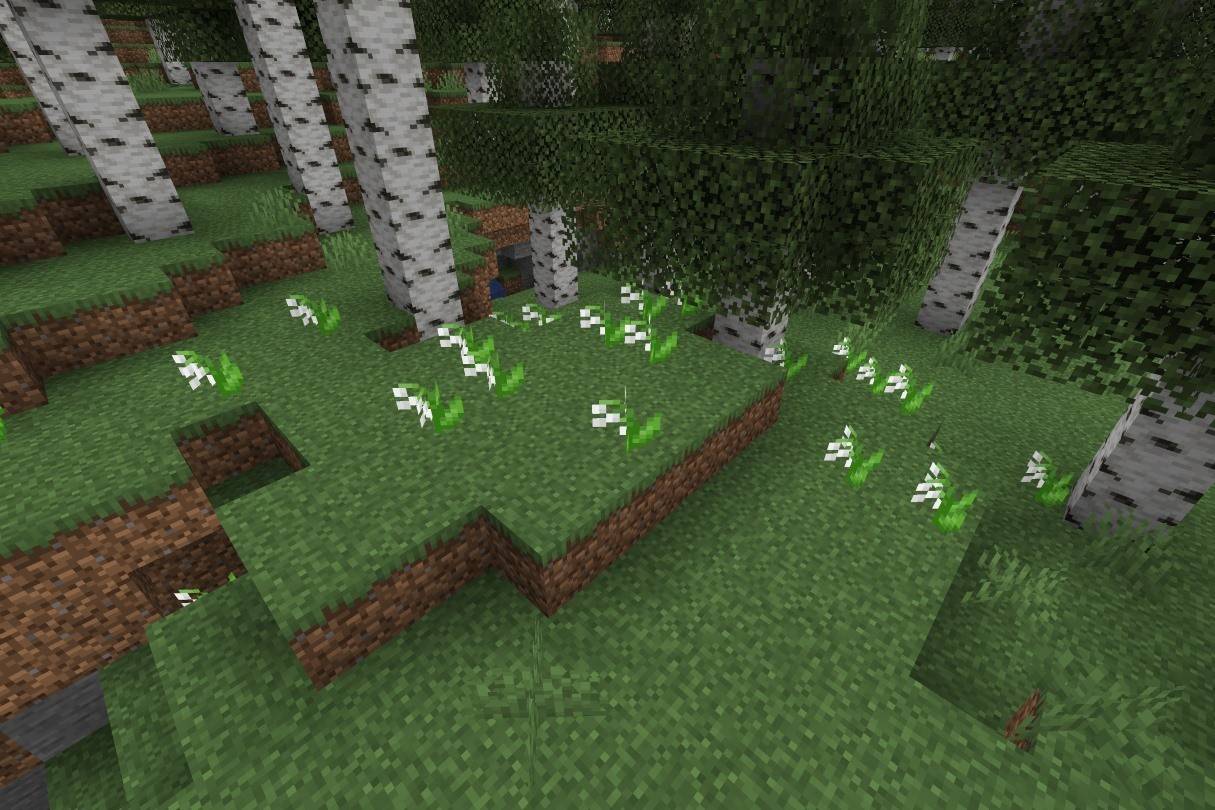 Image: ensigame.com
The delicate Lily of the Valley, found in forests and flower forests, provides white dye, a base for creating many other colors.
Tulip
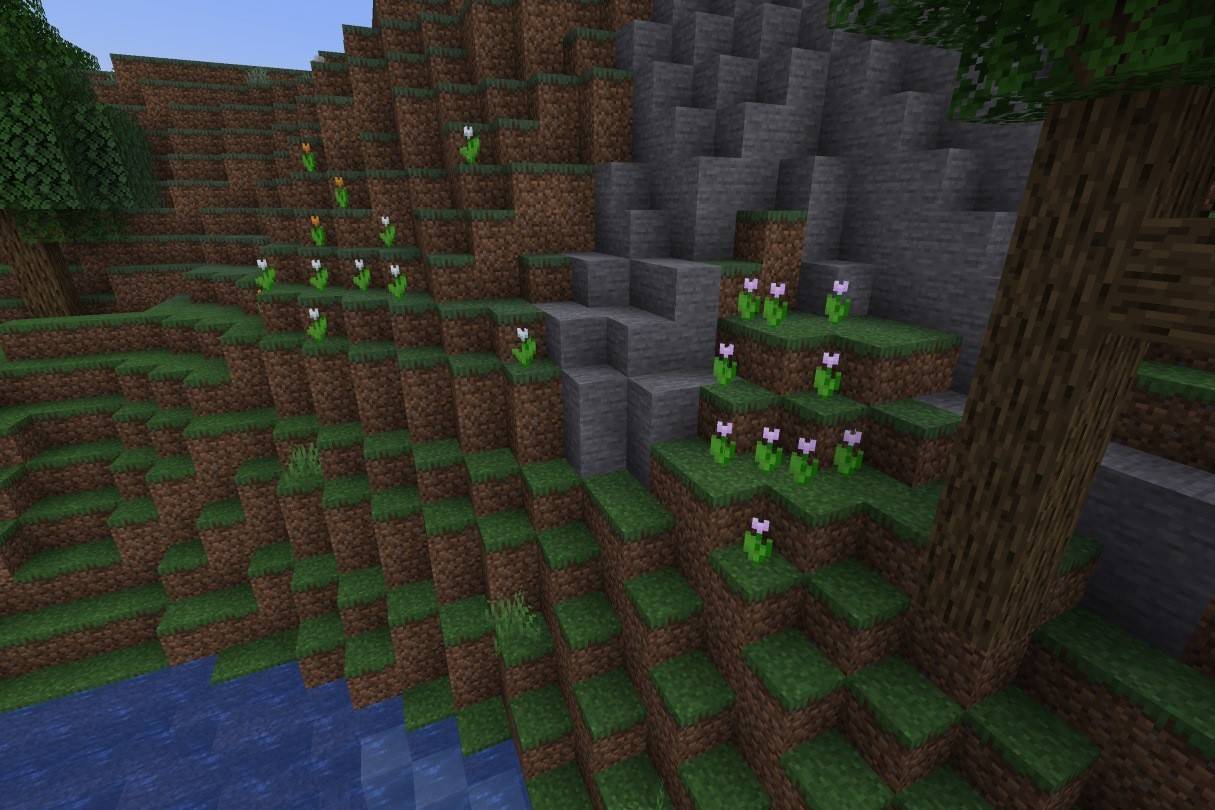 Image: ensigame.com
Tulips, found in plains and flower forests, come in red, orange, white, and pink varieties, each yielding a corresponding dye.
Azure Bluet
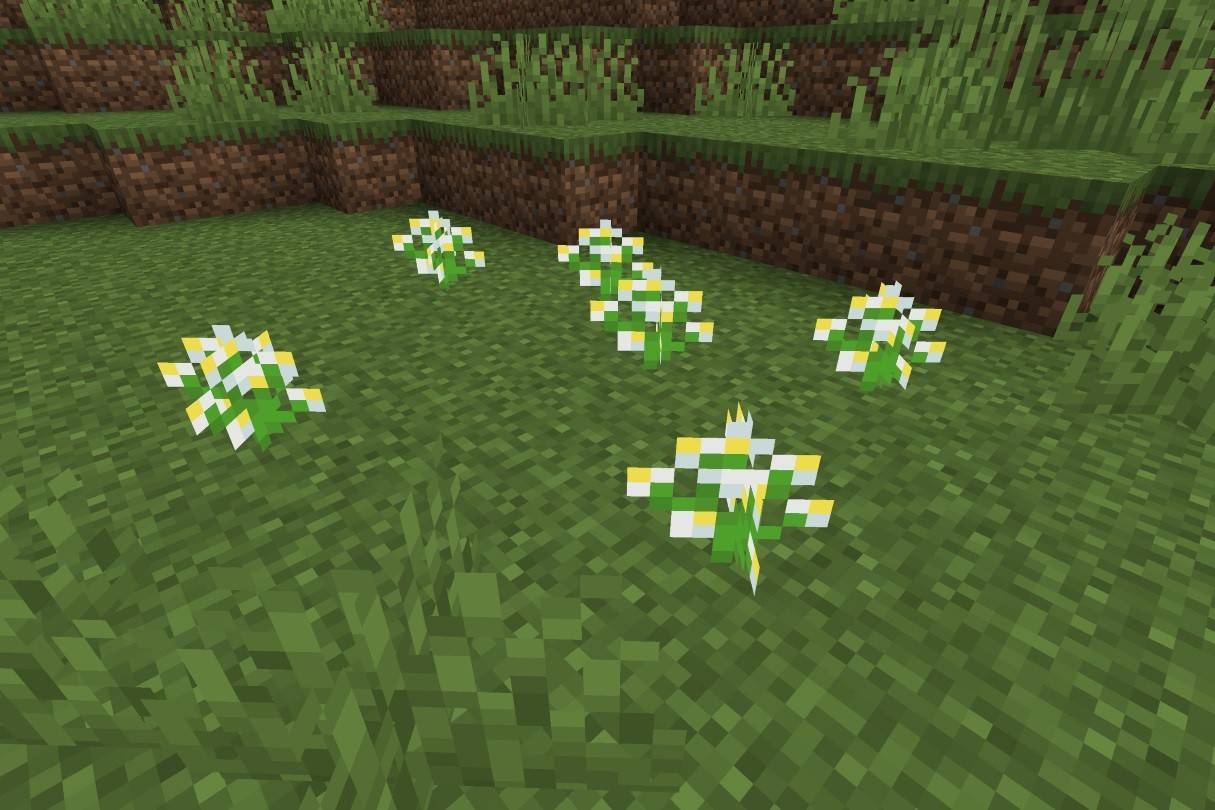 Image: ensigame.com
This small, white and yellow flower, found in grasslands and flower forests, produces light gray dye.
Blue Orchid
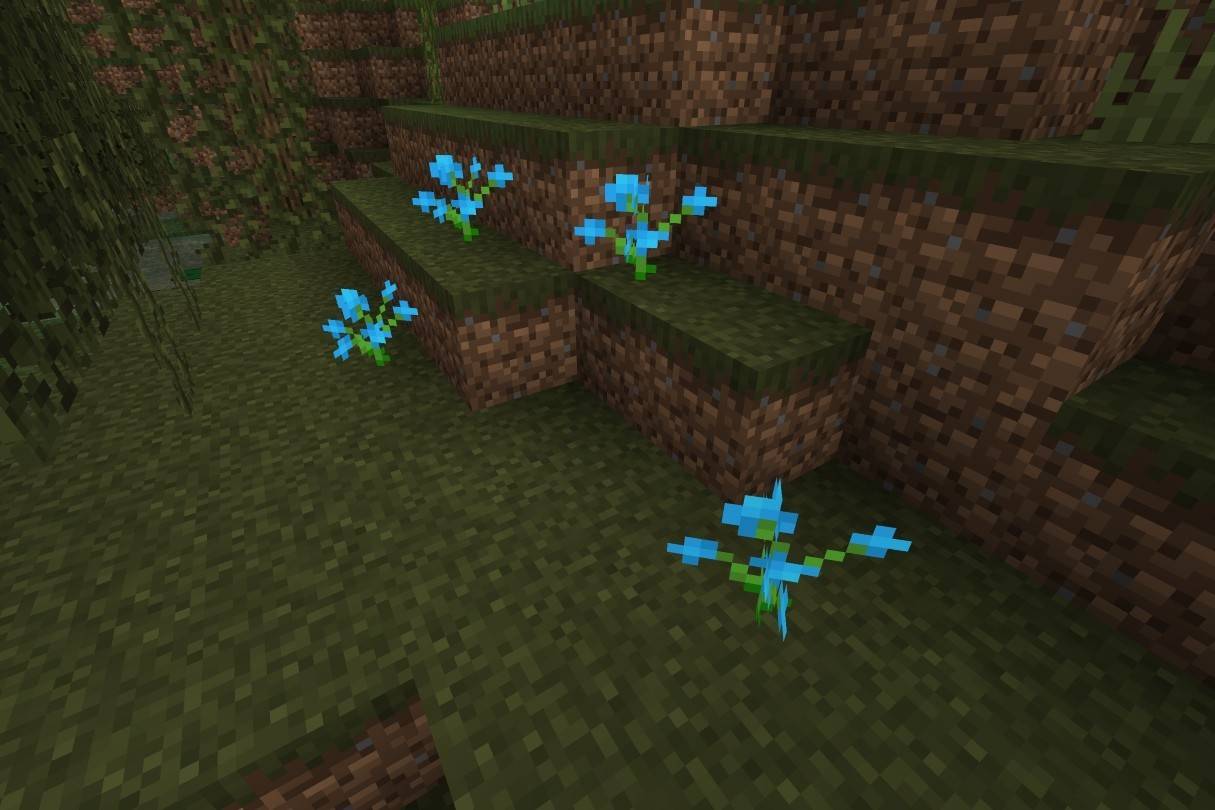 Image: ensigame.com
The rare blue orchid, found in swamps and taiga biomes, is used to create light blue dye.
Cornflower
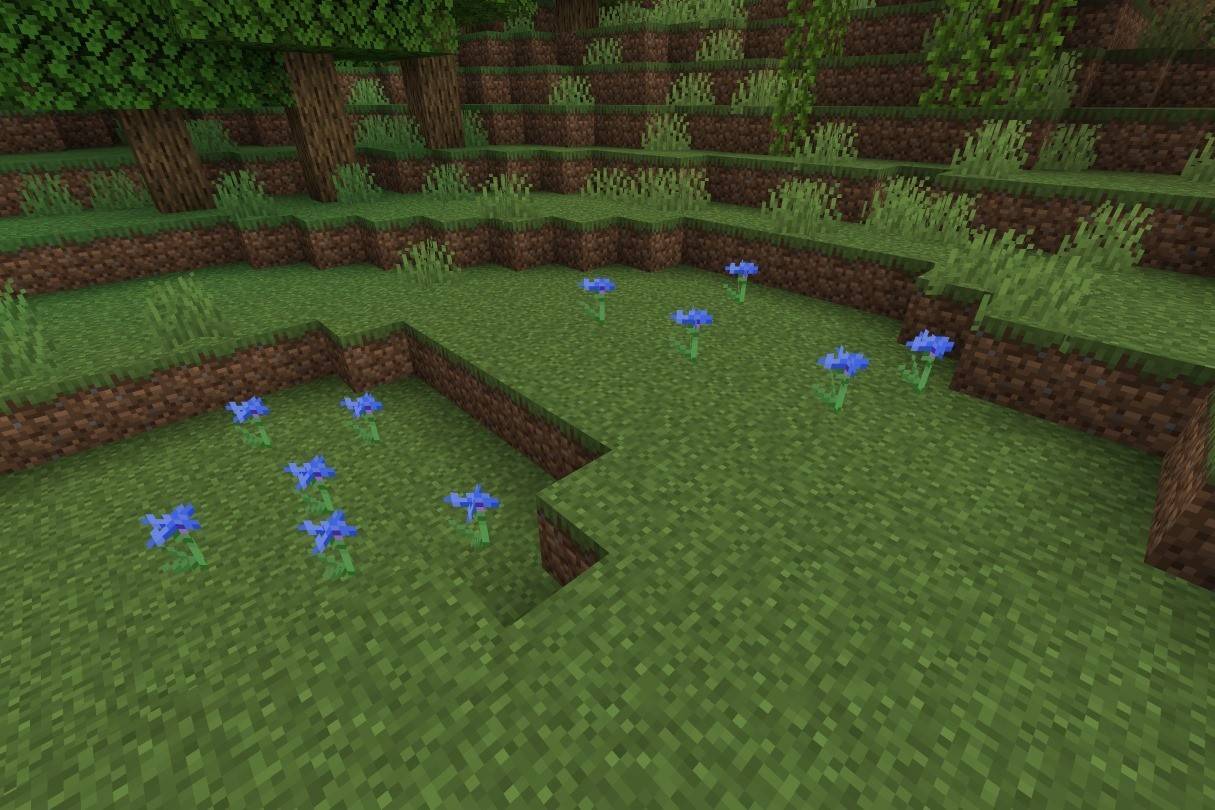 Image: ensigame.com
Cornflowers, found in plains and flower forests, produce blue dye.
Torchflower
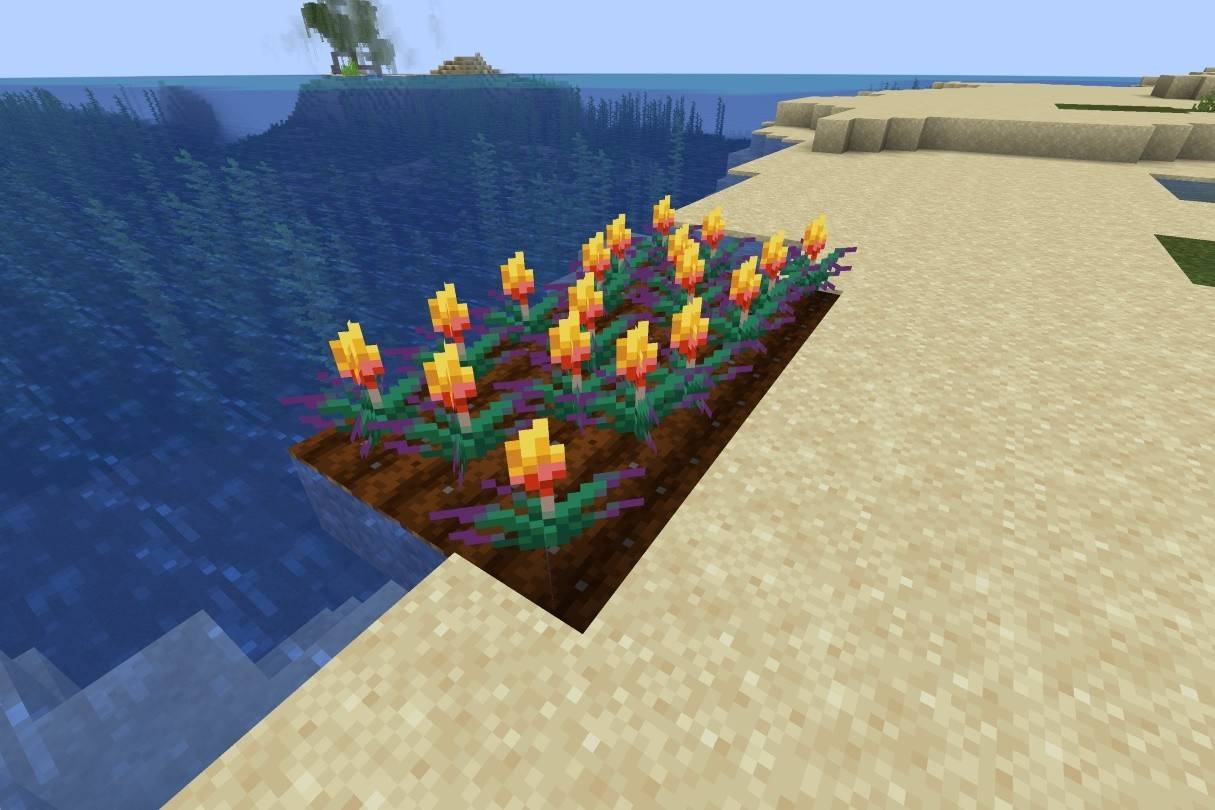 Image: ensigame.com
Torchflowers yield orange dye. Their growth and spread vary between Java and Bedrock Editions.
Lilac
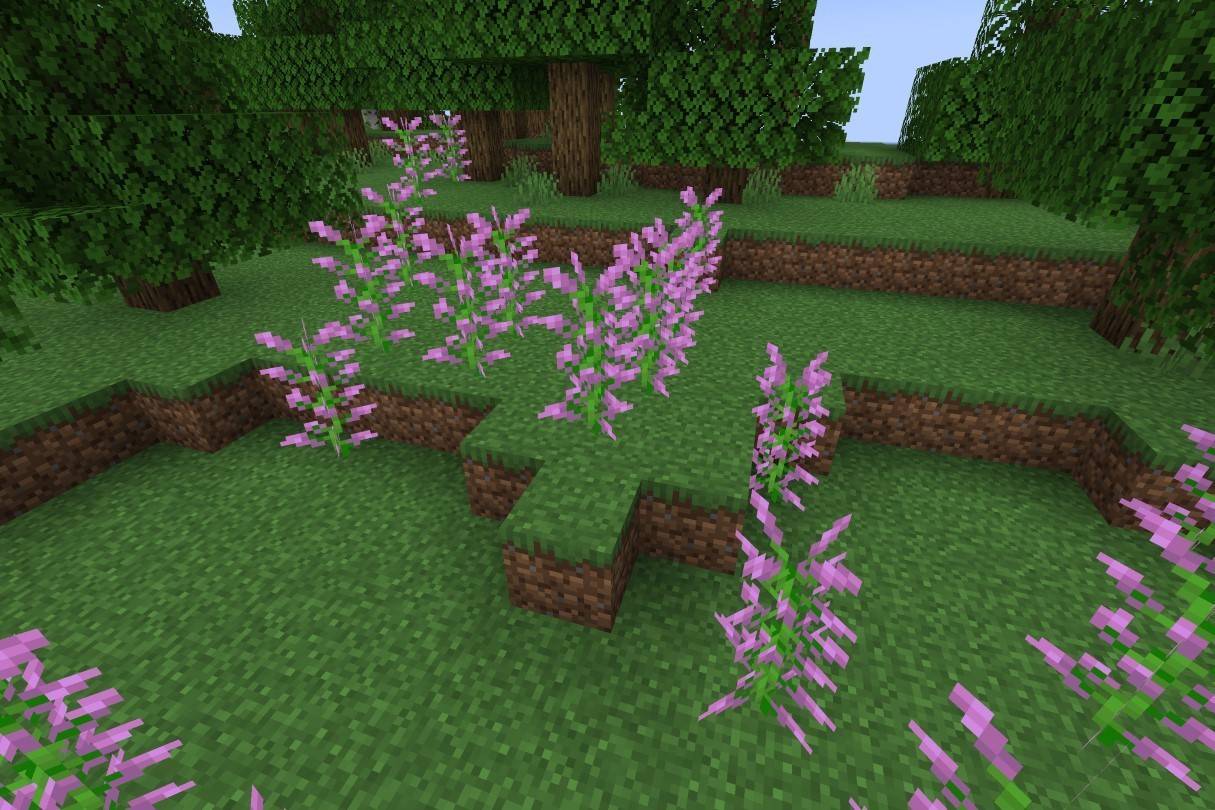 Image: ensigame.com
These tall, light-purple lilacs, found in various forest biomes, produce magenta dye.
Oxeye Daisy
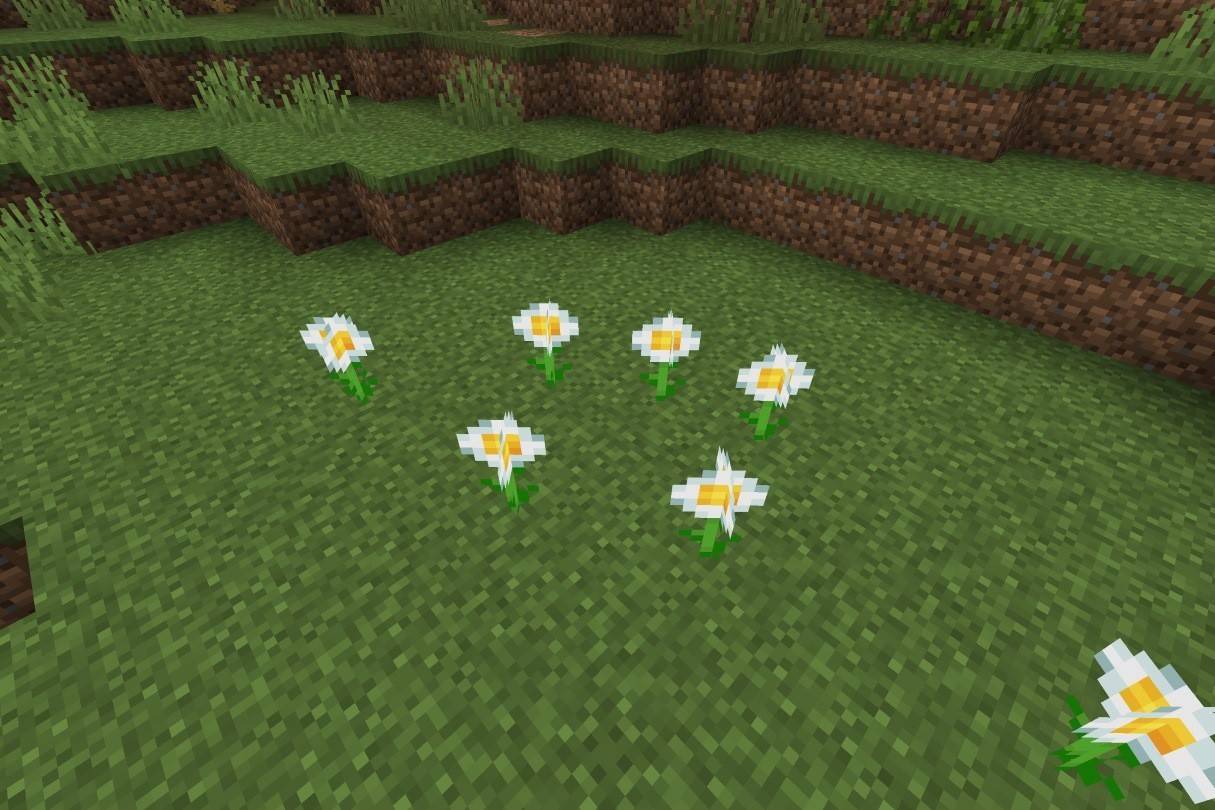 Image: ensigame.com
The oxeye daisy, found in plains biomes, provides light gray dye and is also aesthetically pleasing for decorative purposes.
Sunflower
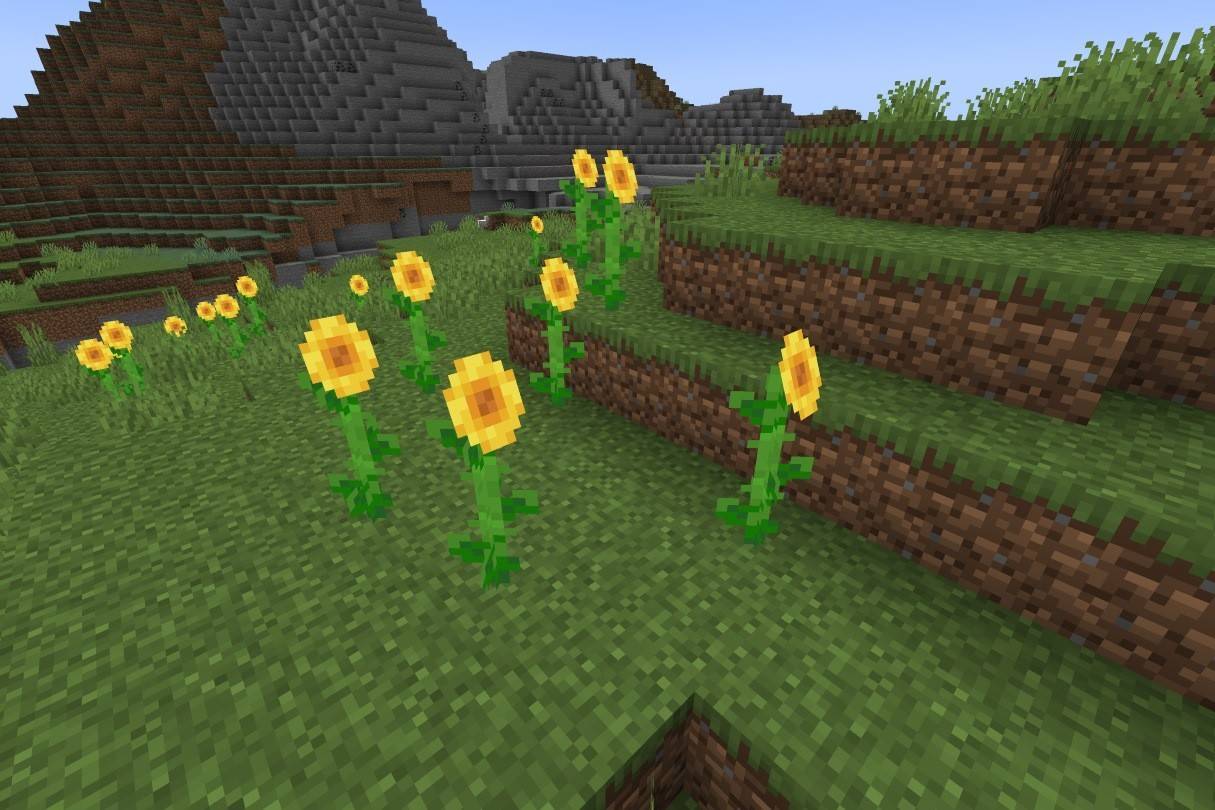 Image: ensigame.com
Sunflowers, found in sunflower plains, are useful for navigation and produce yellow dye. They also offer unique aesthetic qualities.
Explore these floral wonders and unlock their full potential in your Minecraft adventures!