
The Apple iPhone: A Comprehensive History of Every Model
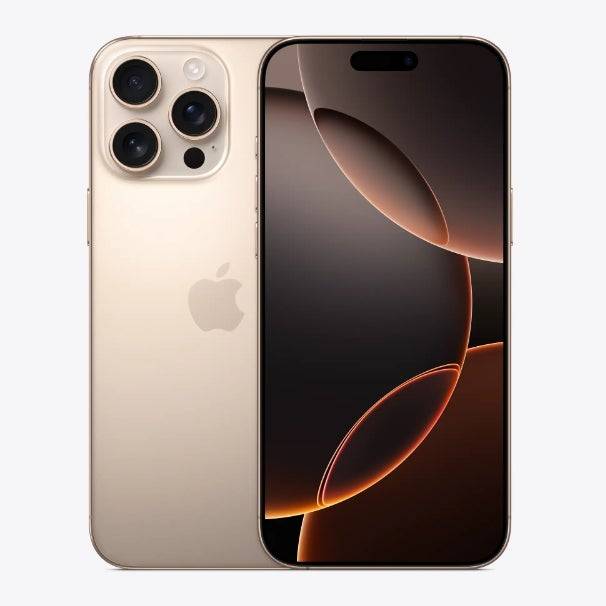
The iPhone, a 21st-century marvel, has sold over 2.3 billion units globally. With 17 years and numerous releases under its belt, tracing the iPhone's evolution can be challenging. This chronological list details every iPhone model, from the original to the latest iPhone 16, clarifying the distinct generations.
How Many iPhone Generations?
A total of 24 distinct iPhone generations exist. Each year since 2007 has seen at least one new model, with this count encompassing variations like Plus and Max models, as well as distinct releases such as the iPhone SE and iPhone XR.
Every iPhone Generation:
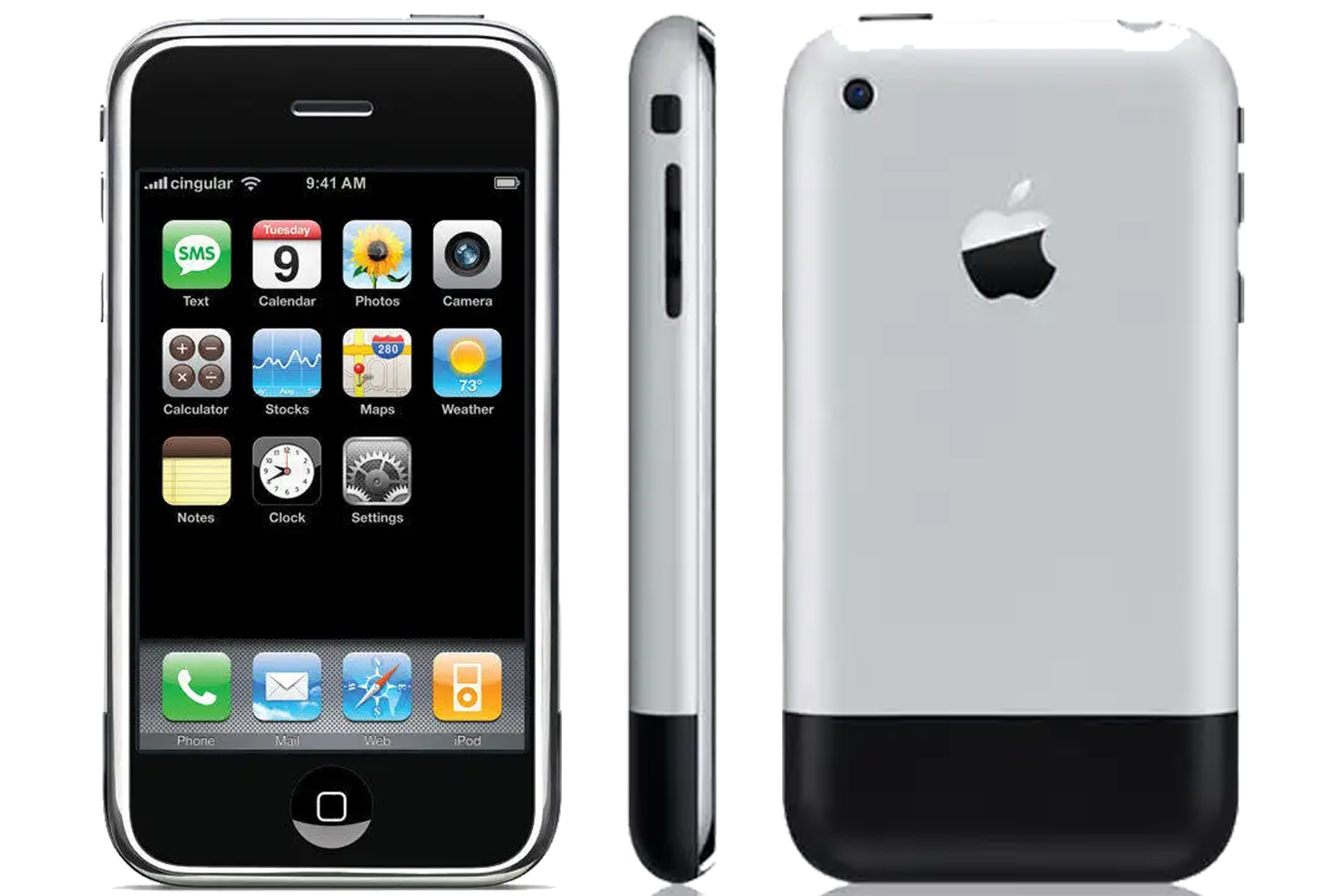
- iPhone (June 29, 2007): The groundbreaking original, combining iPod, phone, and internet capabilities. Its 3.5-inch display and 2MP camera revolutionized the smartphone market.
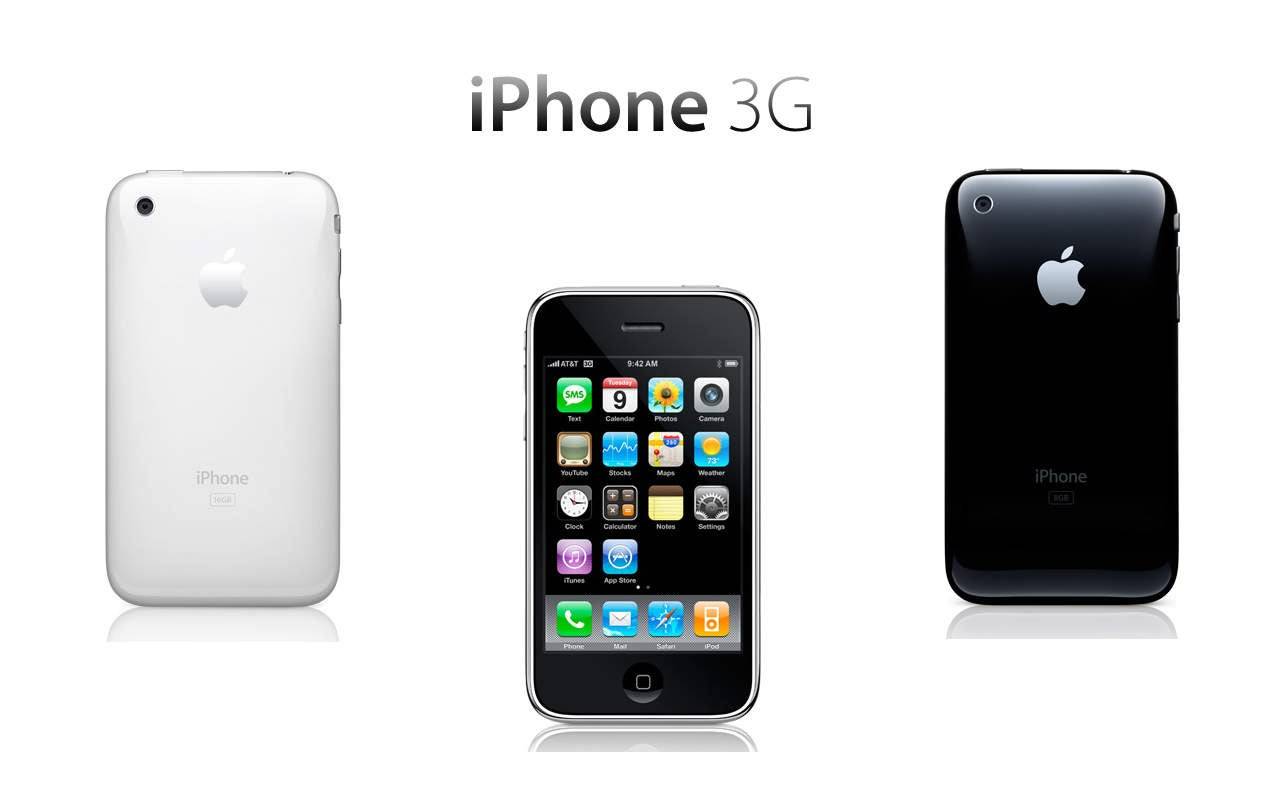
- iPhone 3G (July 11, 2008): Introduced 3G connectivity and the App Store, opening a new era for mobile app development.
- iPhone 3GS (June 19, 2009): Boasted a 3MP camera and double the processing speed of its predecessor.
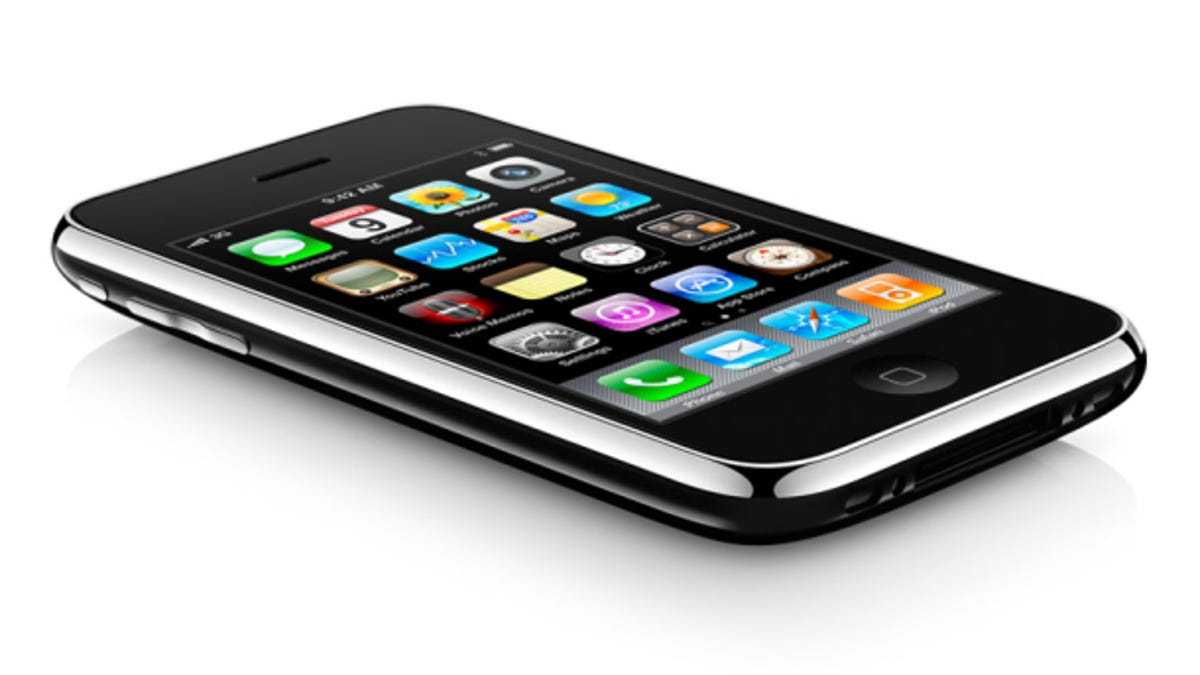
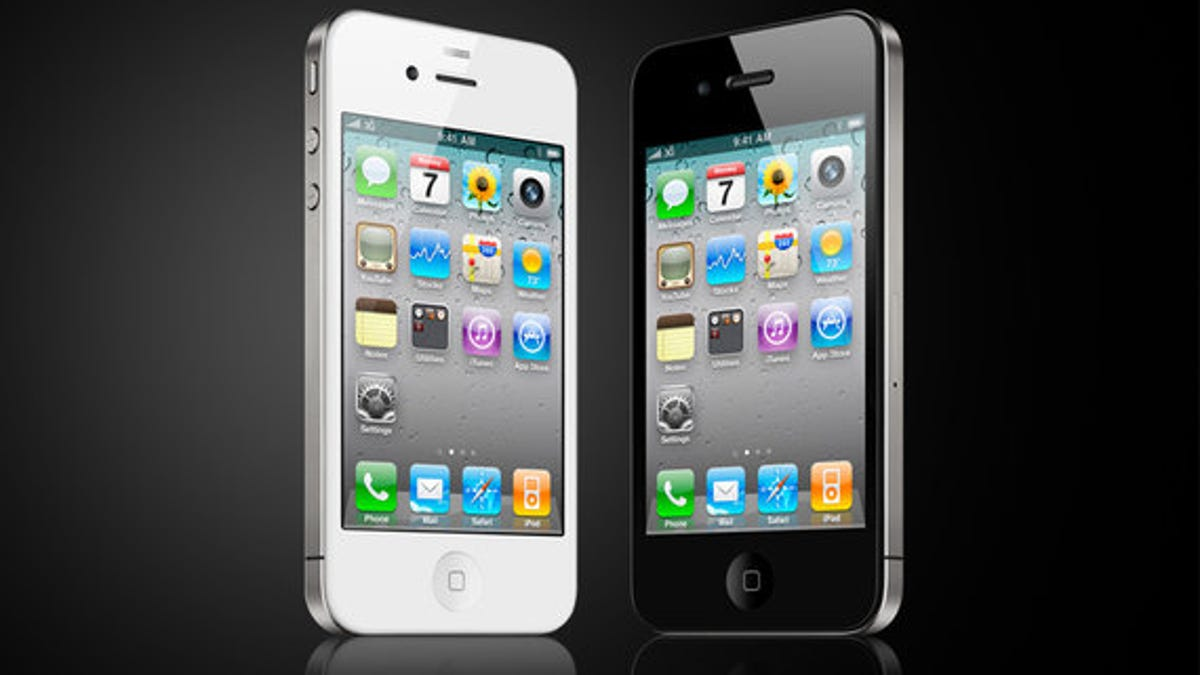
- iPhone 4 (June 24, 2010): Featured FaceTime video calling, a 5MP camera with LED flash, and the first Retina display.
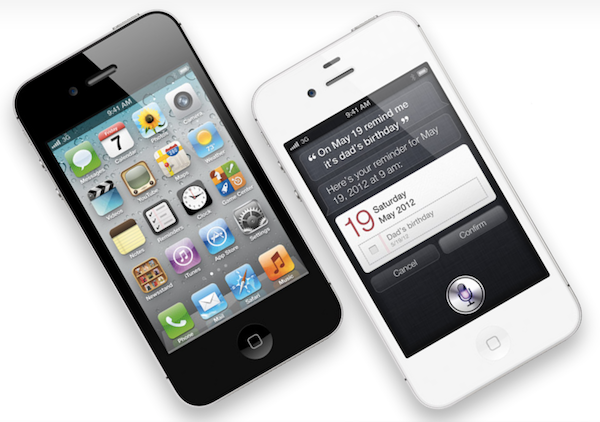
- iPhone 4S (October 14, 2011): Introduced Siri, the virtual assistant, and offered 1080p video recording with its 8MP camera.
- iPhone 5 (September 21, 2012): Supported LTE, featured improved audio, and introduced the Lightning port.
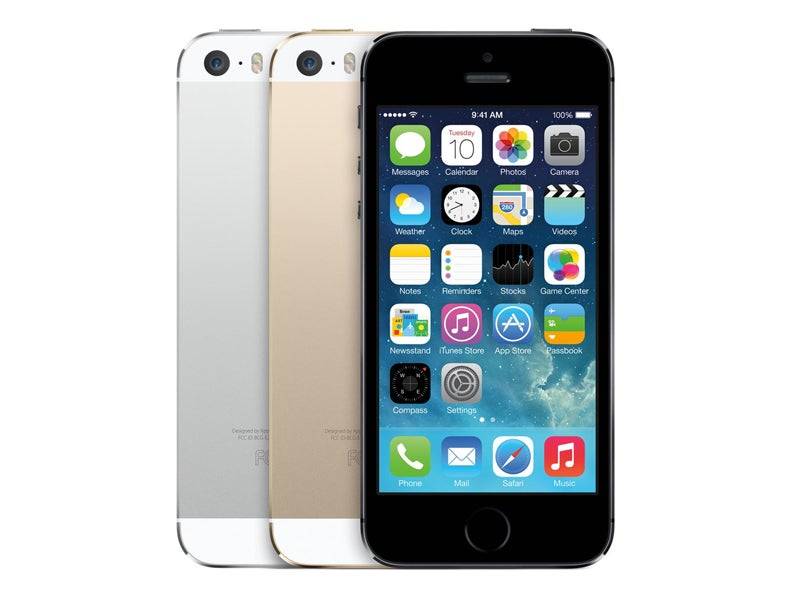
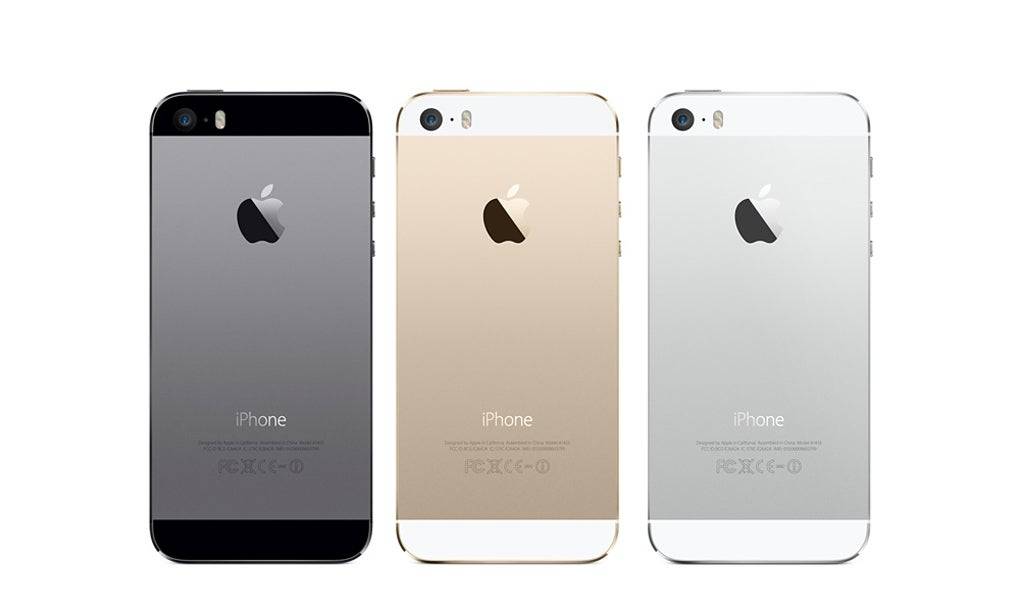
- iPhone 5S (September 20, 2013): Introduced Touch ID fingerprint authentication, the A7 processor, and enhanced camera technology.
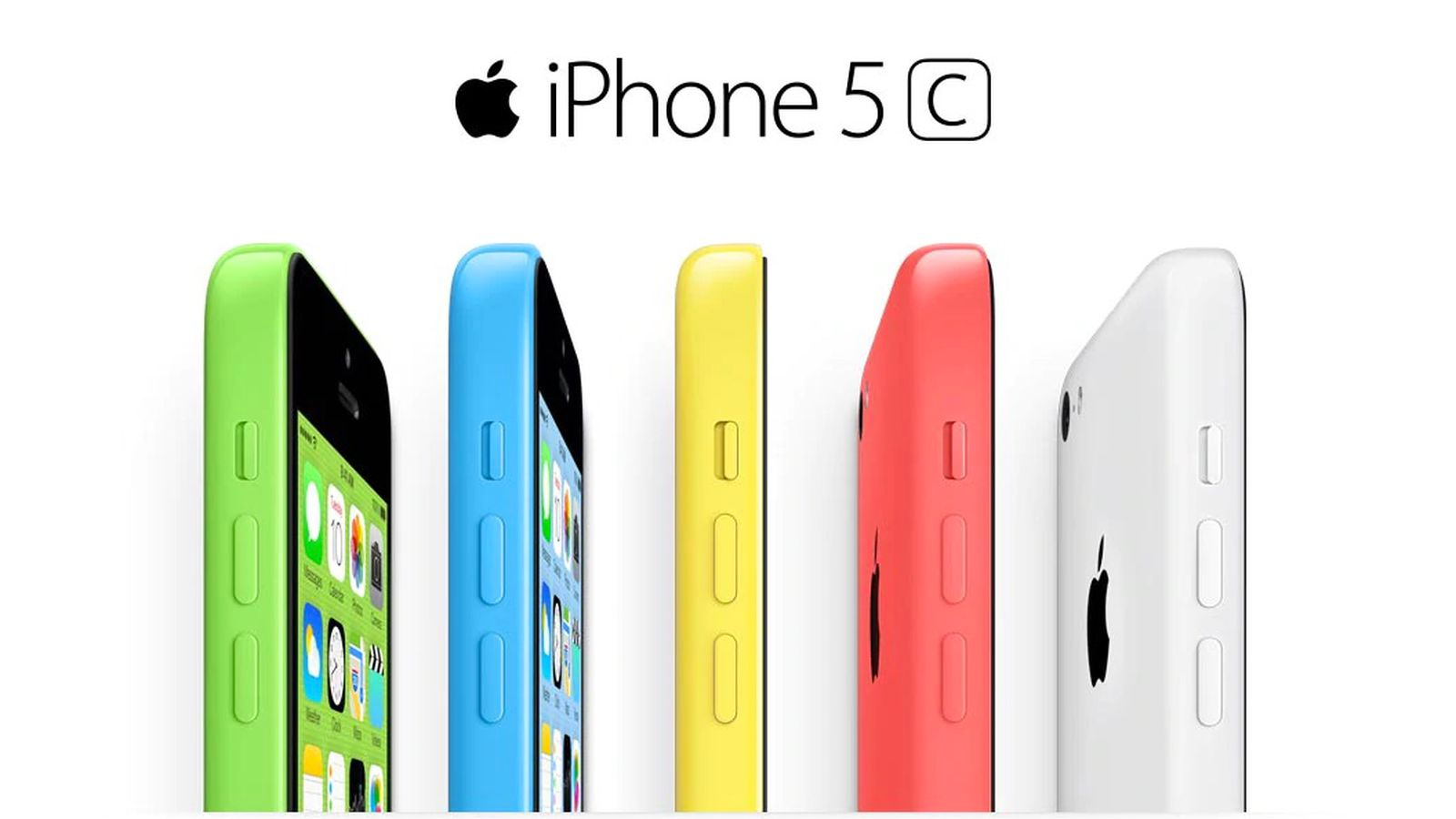
- iPhone 5C (September 20, 2013): Apple's first budget-friendly iPhone, offering vibrant colors and the same hardware as the iPhone 5.
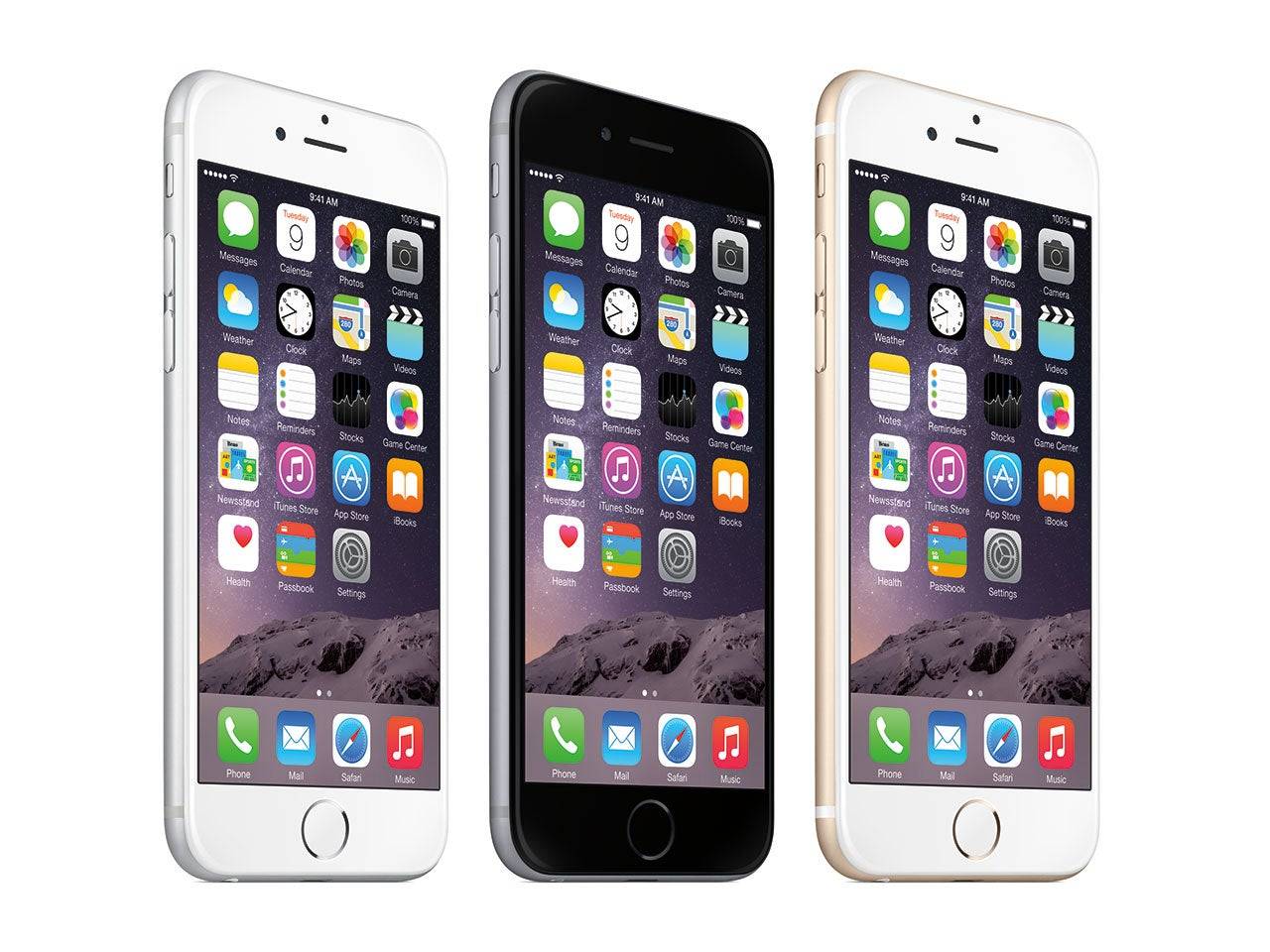
- iPhone 6 (September 19, 2014): Featured a slimmer design, Apple Pay, and introduced the larger iPhone 6 Plus model.
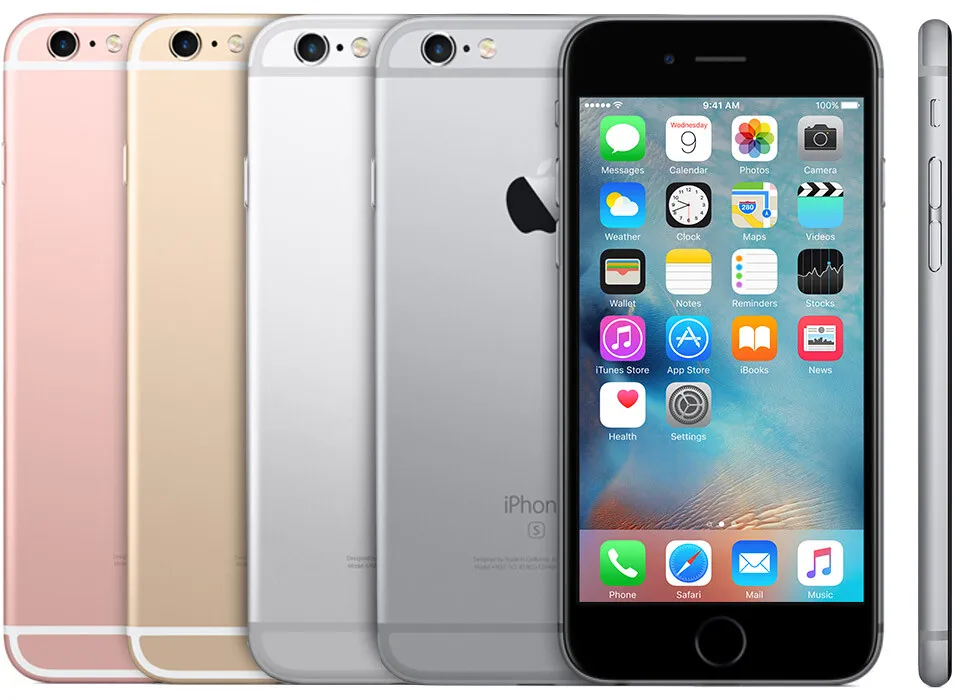
- iPhone 6S (September 25, 2015): Introduced 3D Touch and 4K video recording capabilities.
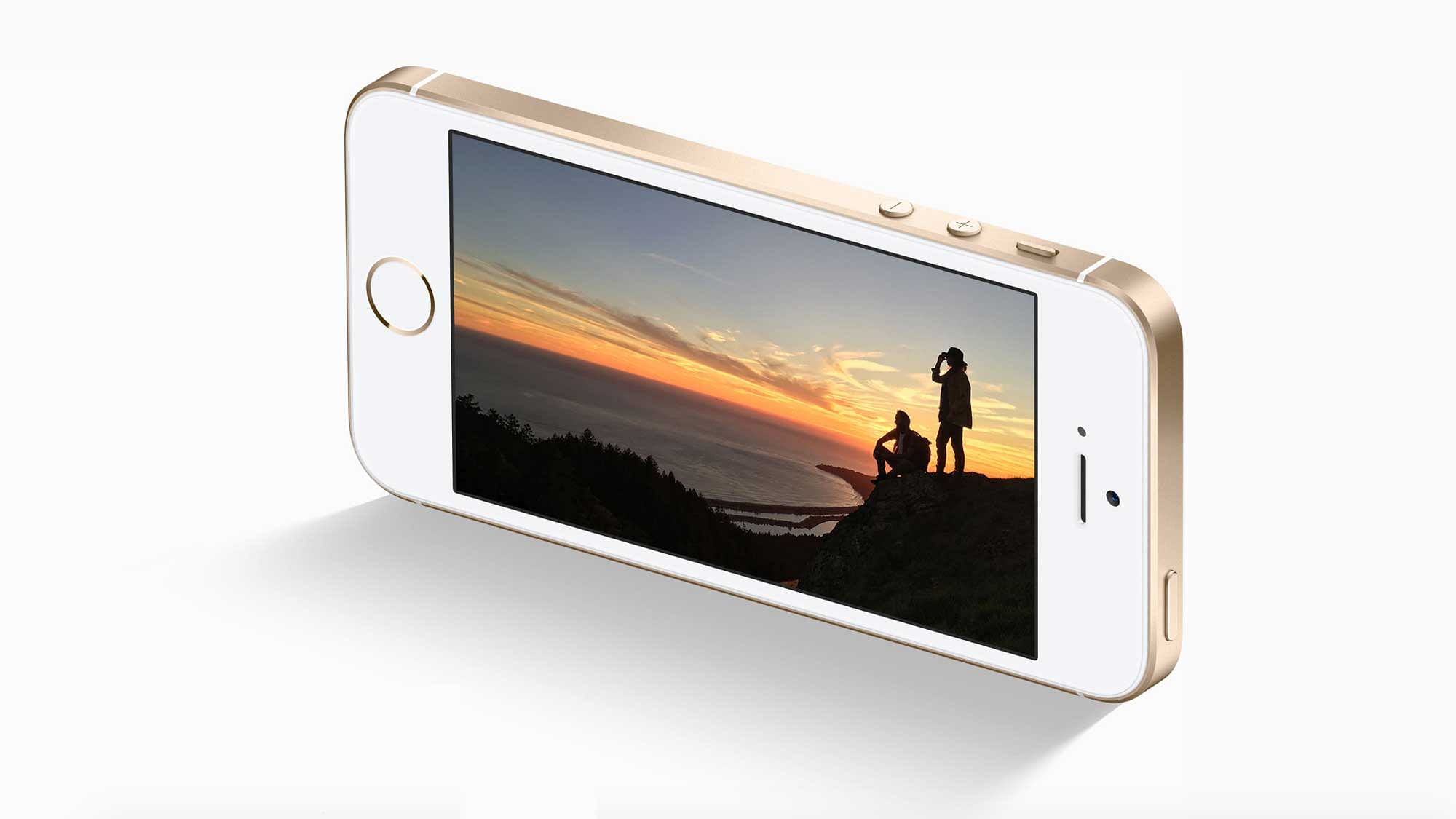
- iPhone SE (March 31, 2016): A compact iPhone with iPhone 6S features, offering a budget-friendly option.
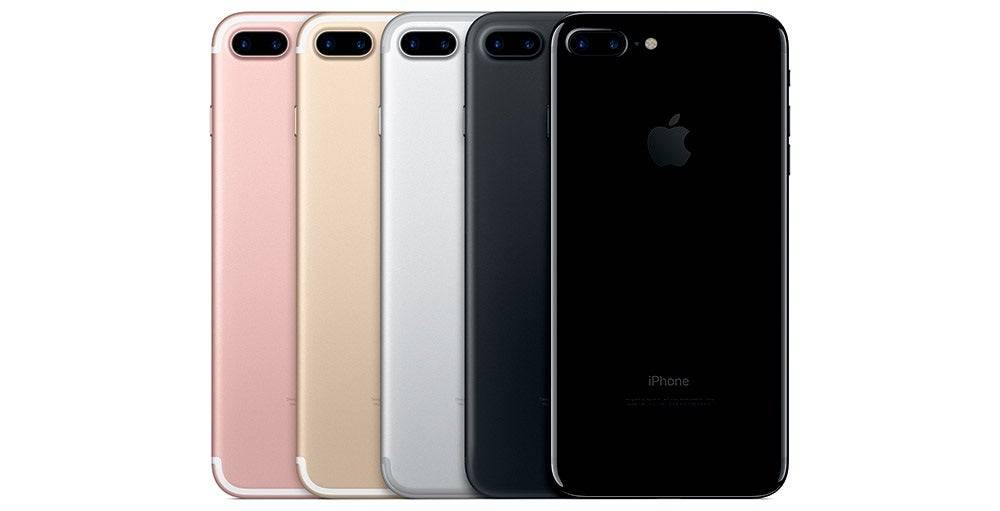
- iPhone 7 (September 16, 2016): Removed the headphone jack, added water resistance, and introduced a dual-camera system on the iPhone 7 Plus.
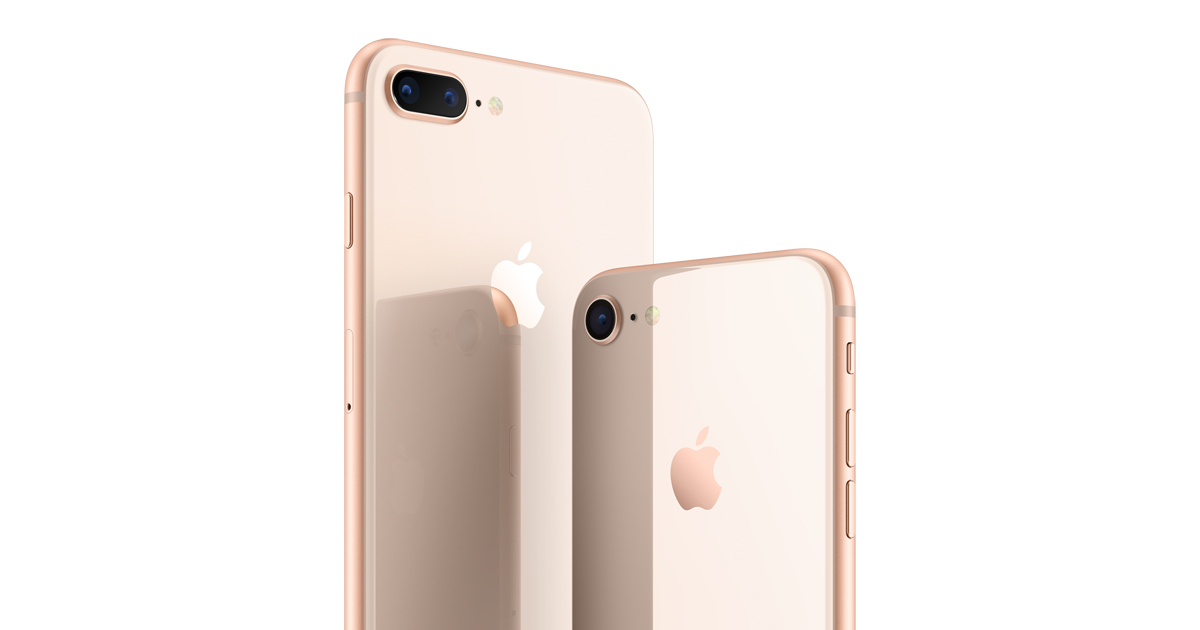
- iPhone 8 (September 22, 2017): Featured wireless charging and a True Tone display.
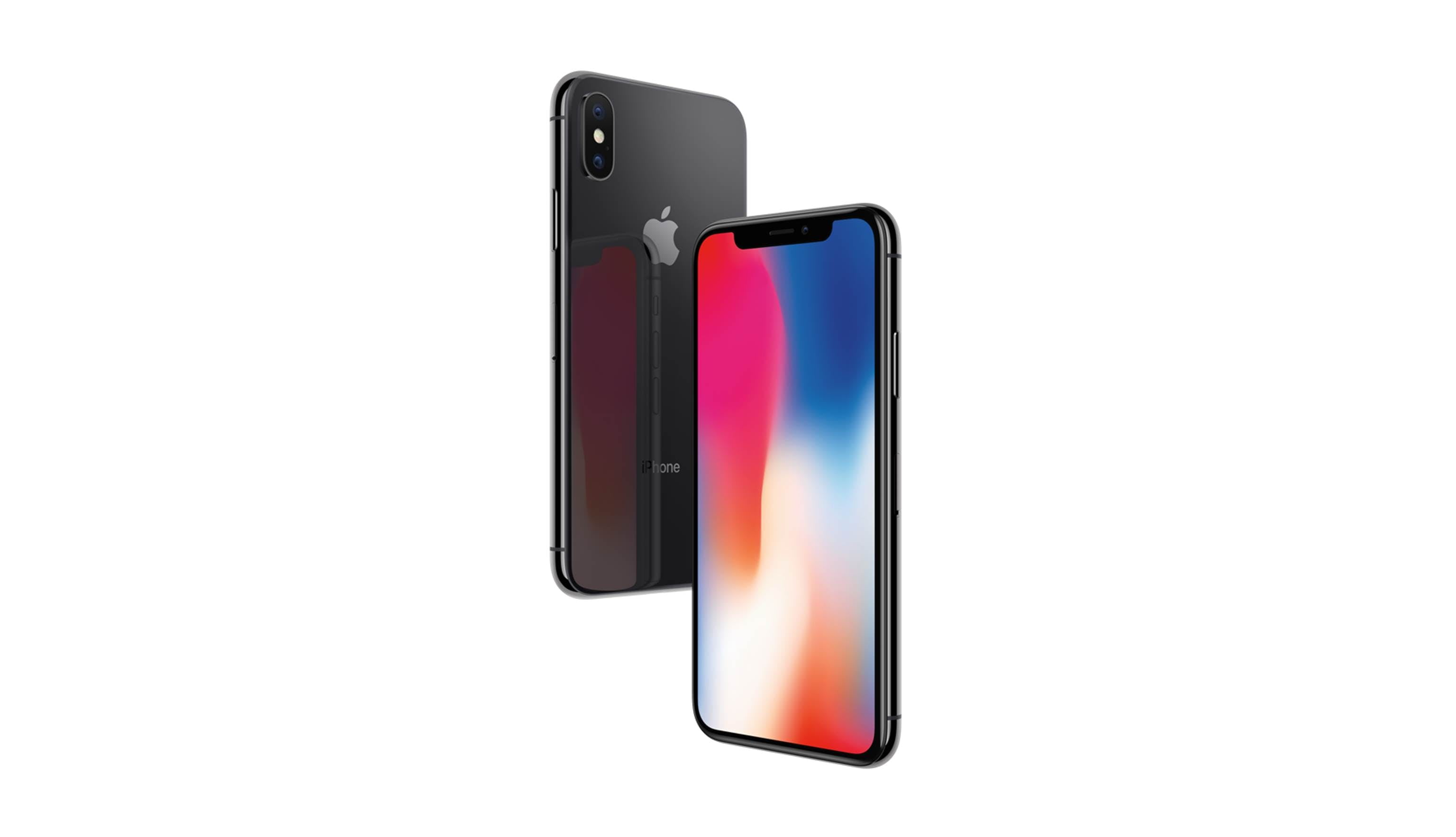
- iPhone X (November 3, 2017): A revolutionary design with an all-screen display and Face ID facial recognition.
- iPhone XS (September 21, 2018): A refined iPhone X with minor improvements, including a dual-SIM tray.
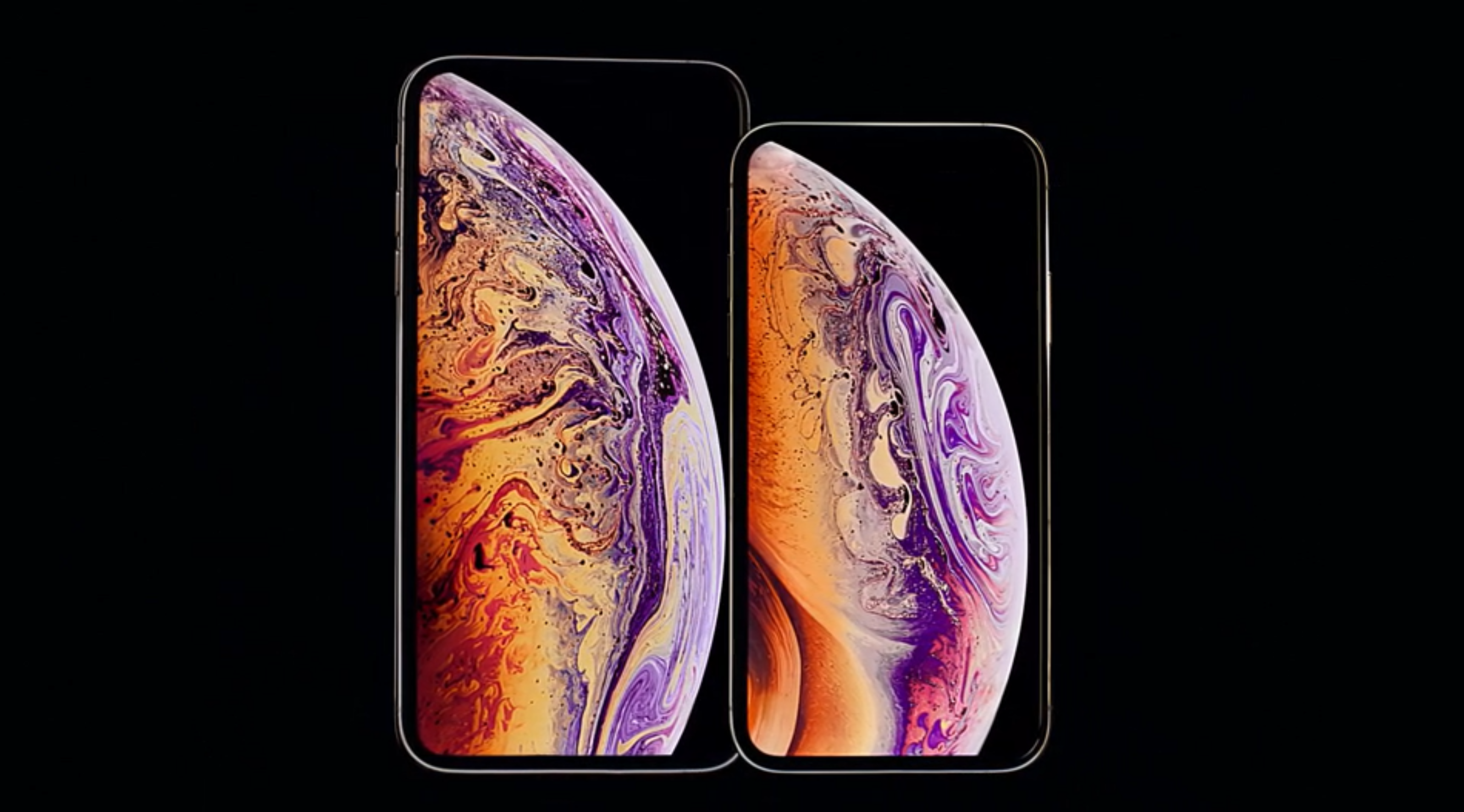
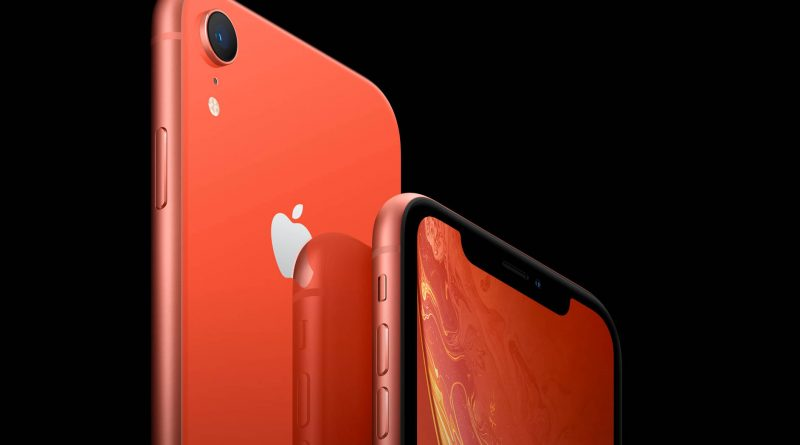
- iPhone XR (October 26, 2018): A more affordable iPhone with an LCD display and single rear camera.
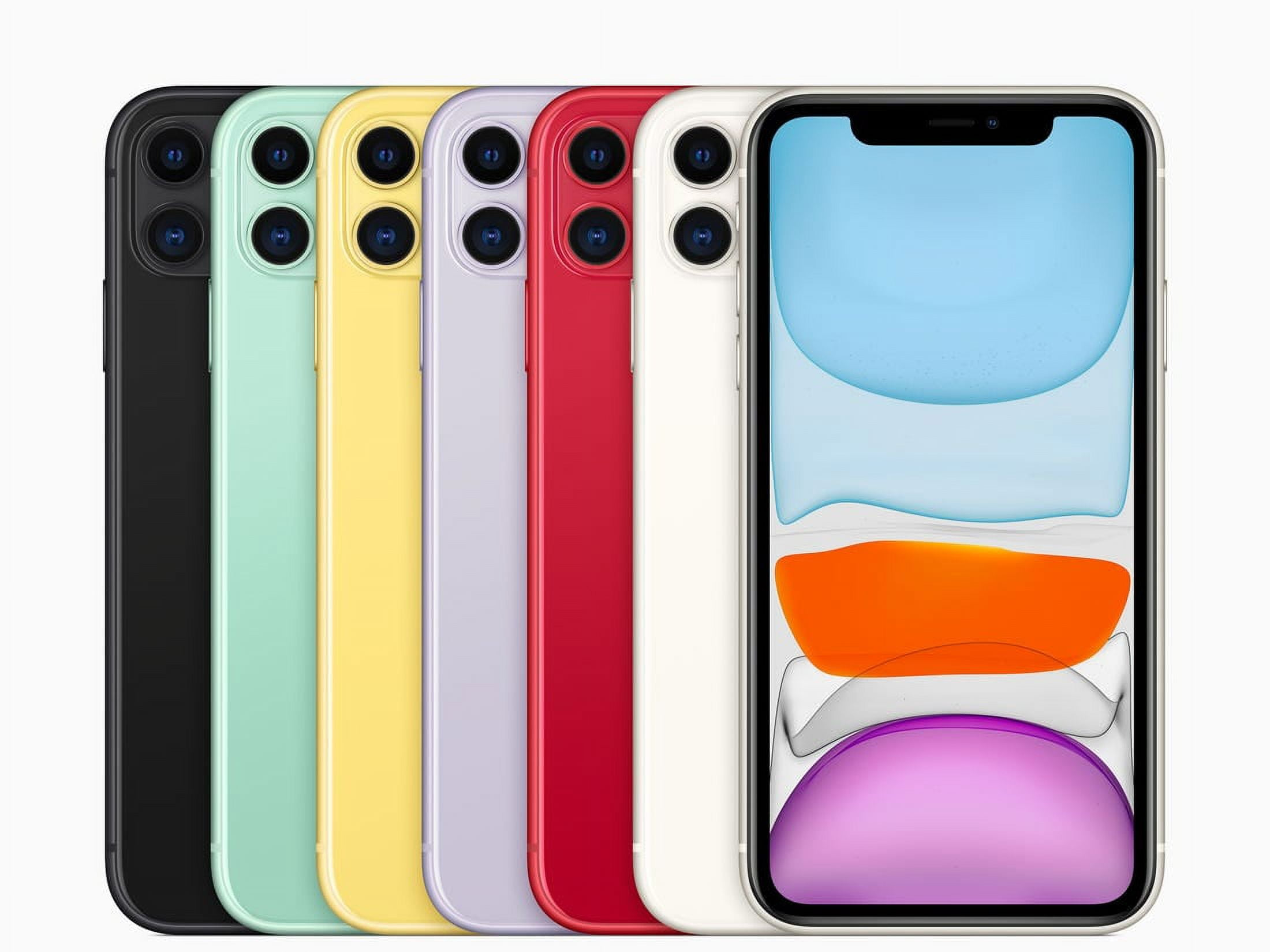
- iPhone 11 (September 20, 2019): Featured a larger 6.1-inch screen and an ultrawide camera. Also introduced Pro models with triple-camera systems.
- iPhone SE (2nd Gen) (April 24, 2020): A significant upgrade over the first SE, with an A13 Bionic chip and improved features.
- iPhone 12 (October 23, 2020): Introduced MagSafe magnetic charging and a Ceramic Shield front cover.
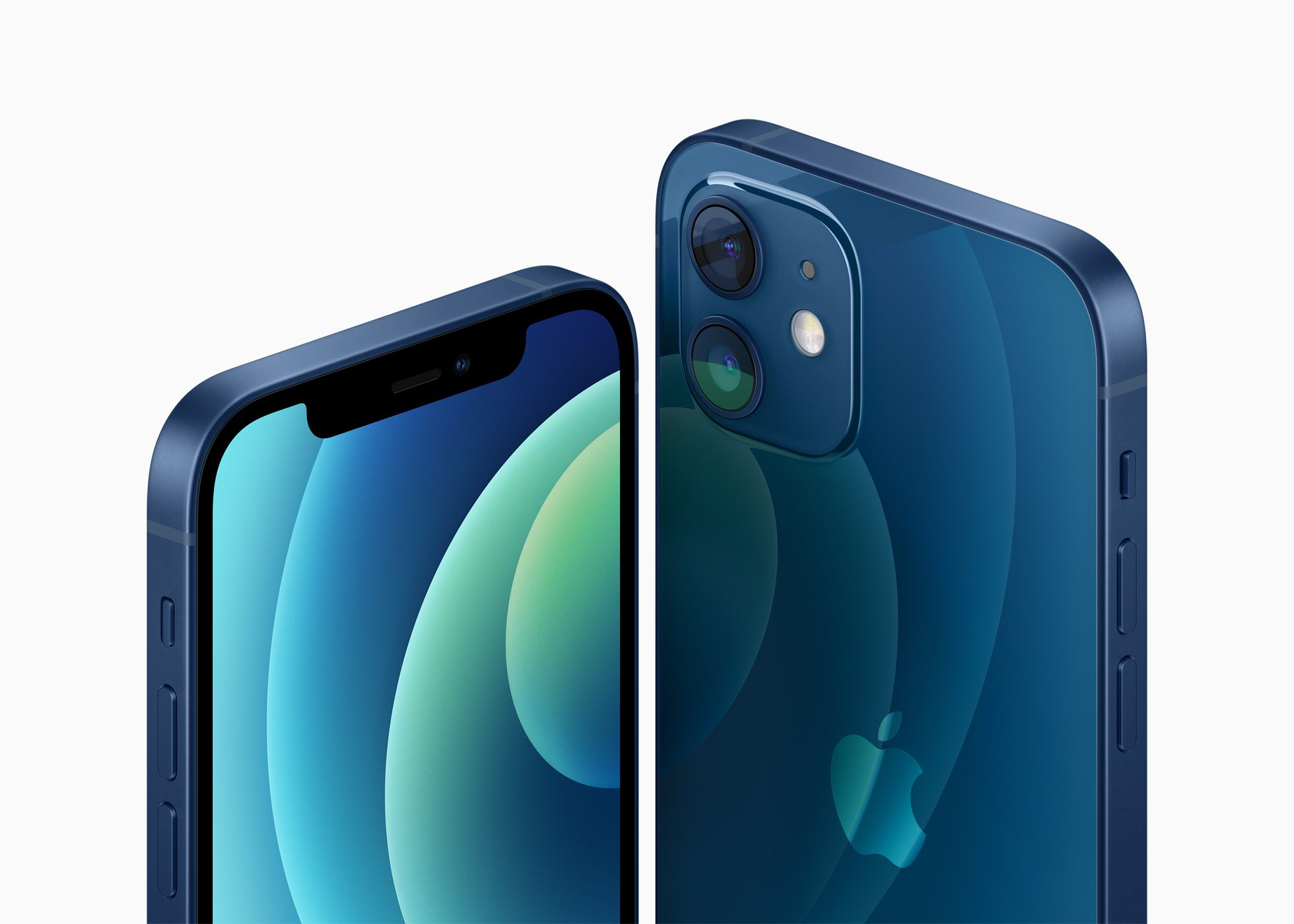
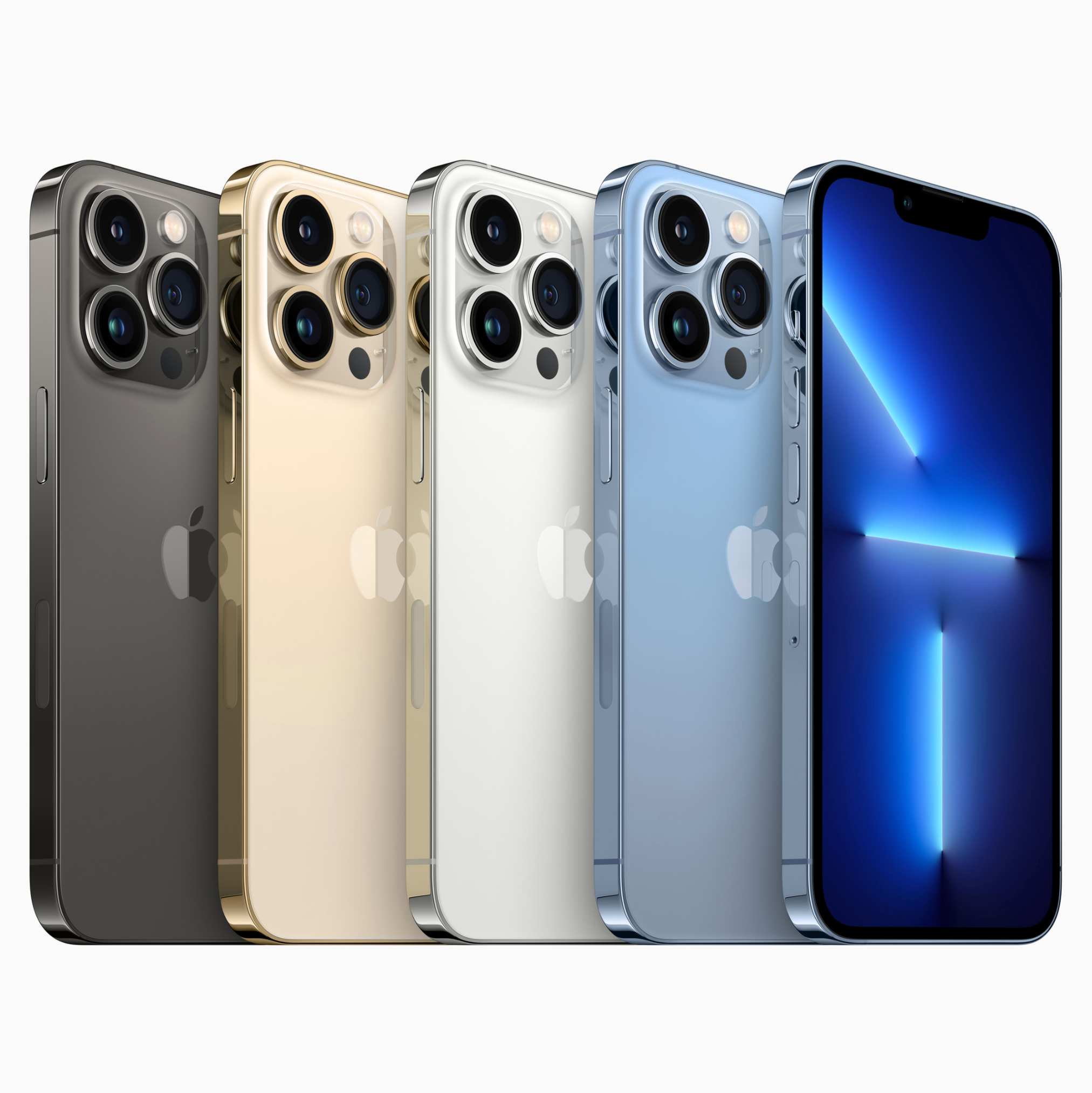
- iPhone 13 (September 24, 2021): Improved battery life, Cinematic Mode, and ProRes video on Pro models.
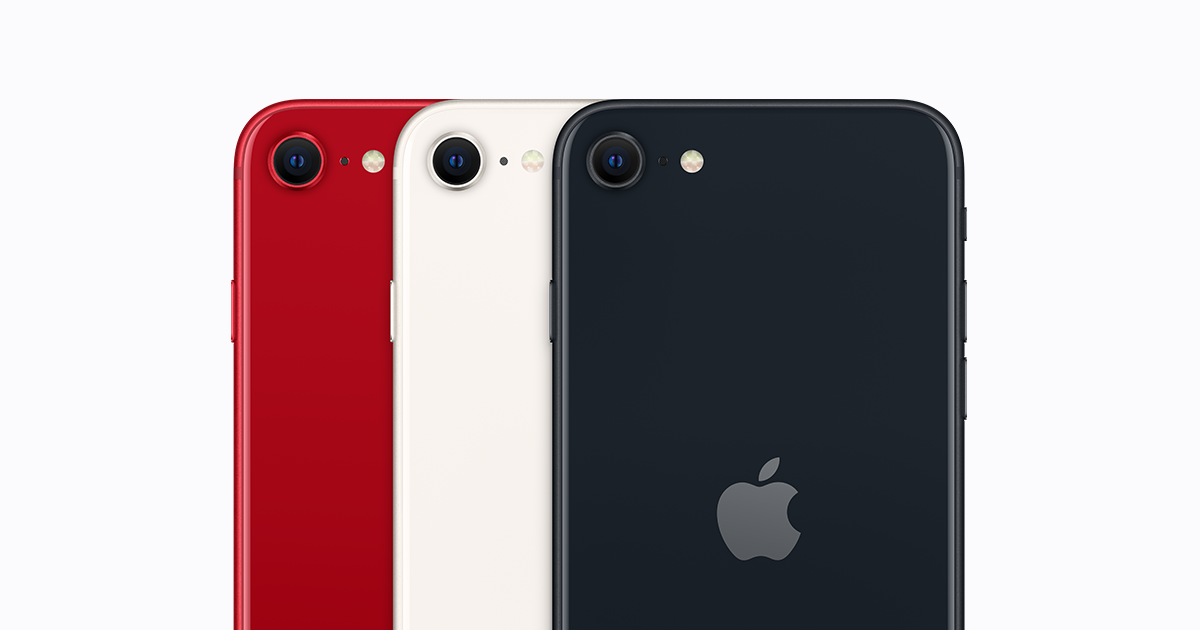
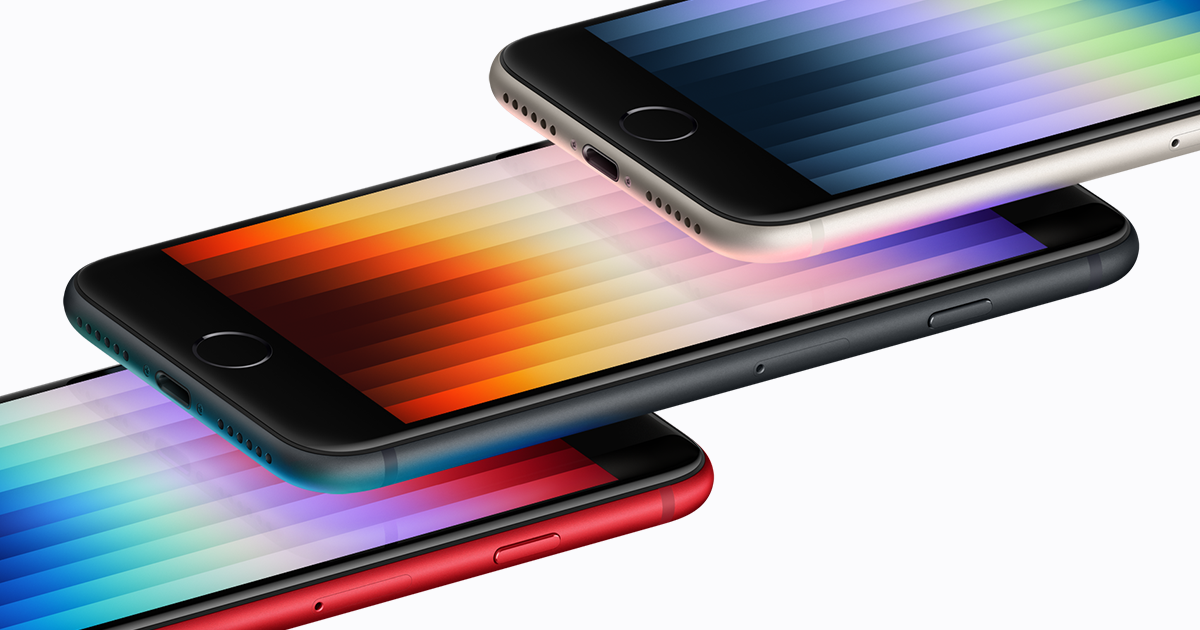
- iPhone SE (3rd Gen) (March 18, 2022): Returned to the home button design, added 5G connectivity, and included updated camera features.
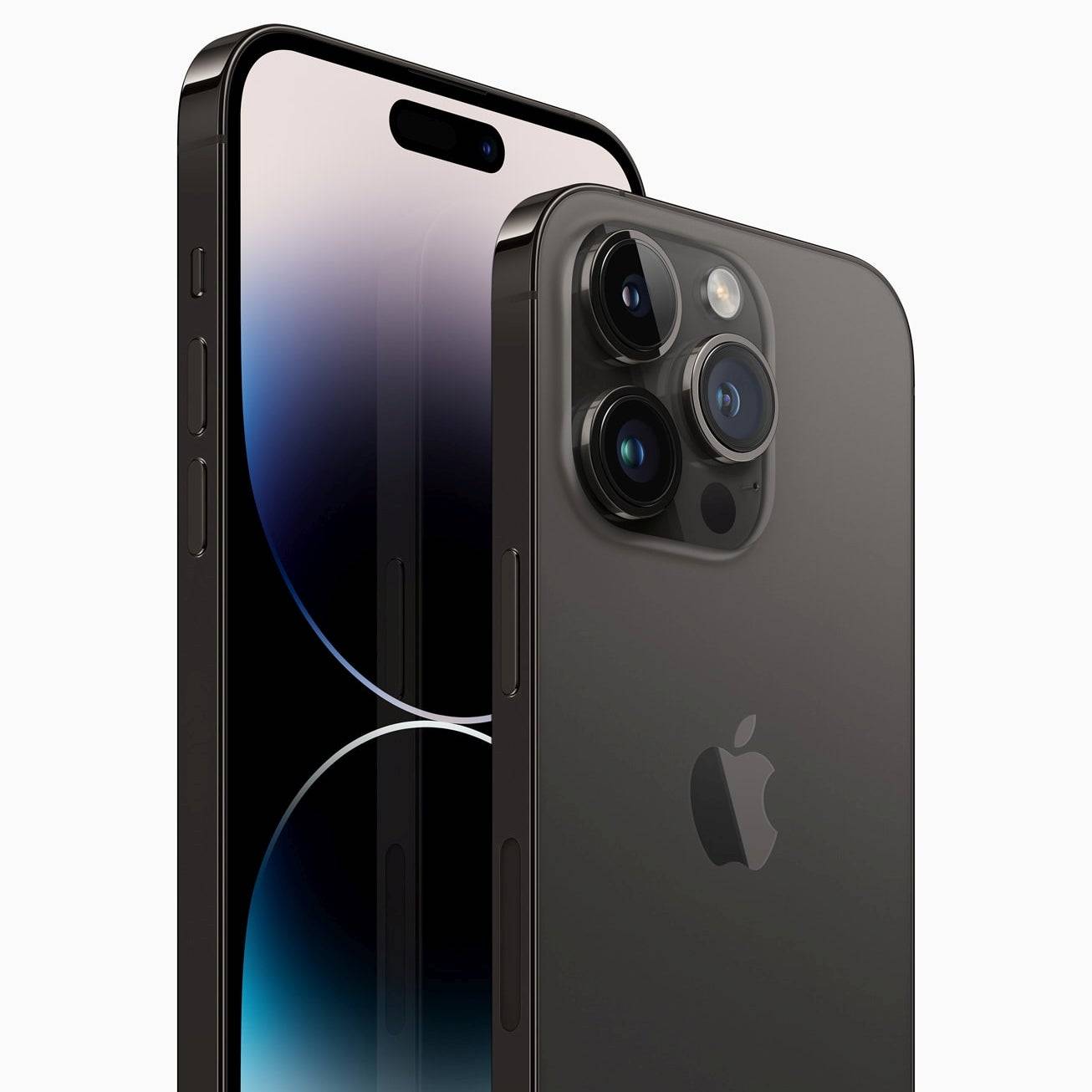
- iPhone 14 (September 16, 2022): Featured Emergency SOS via satellite and improved camera systems.
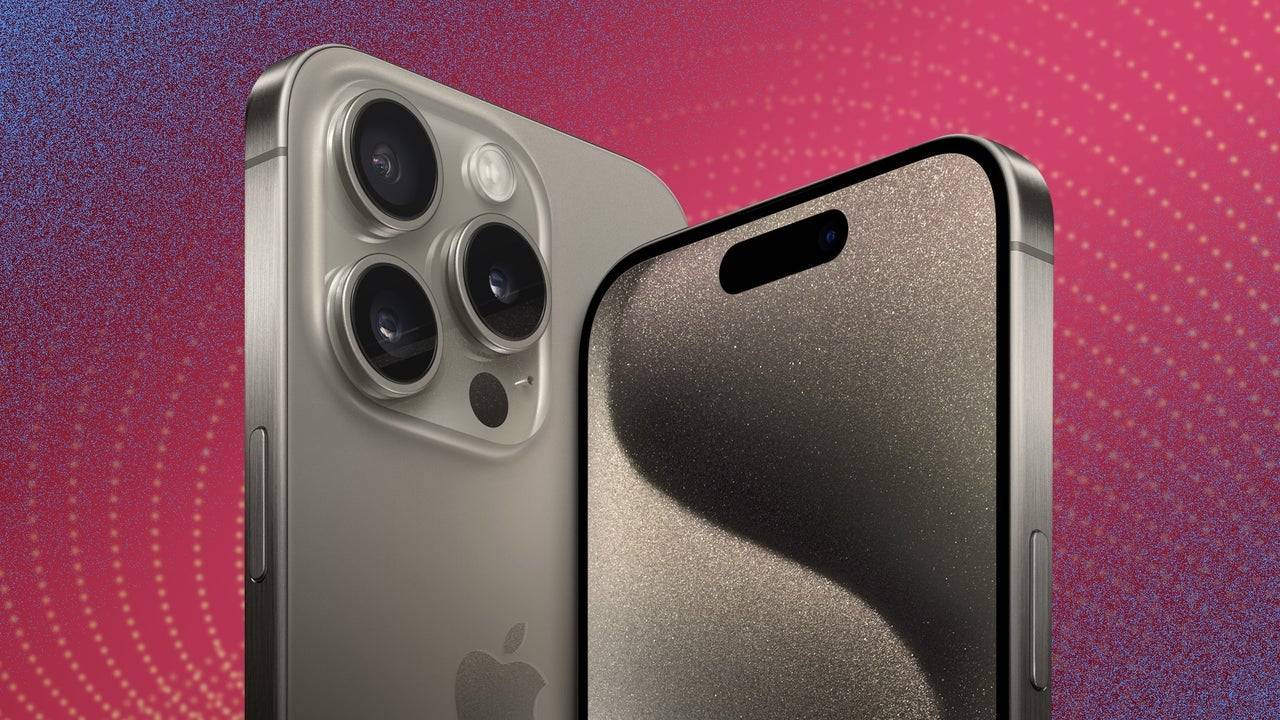
- iPhone 15 (September 22, 2023): Switched to USB-C charging and introduced significant upgrades to the Pro models.
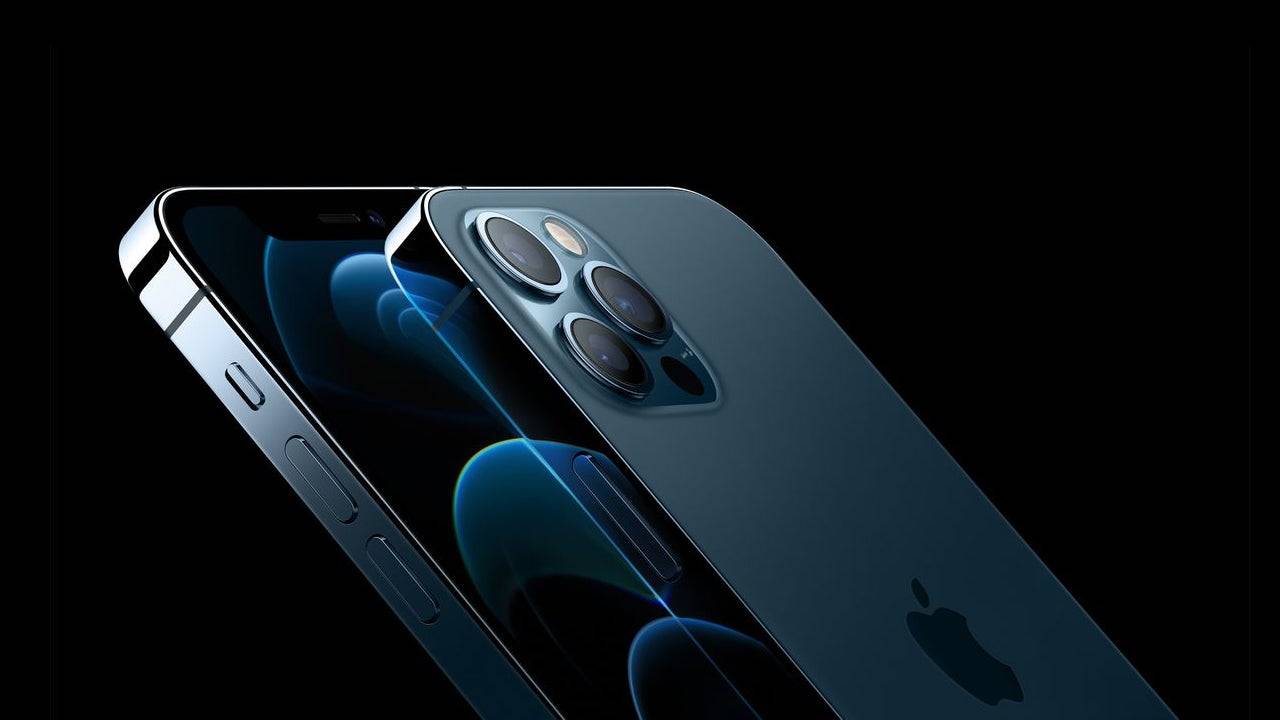
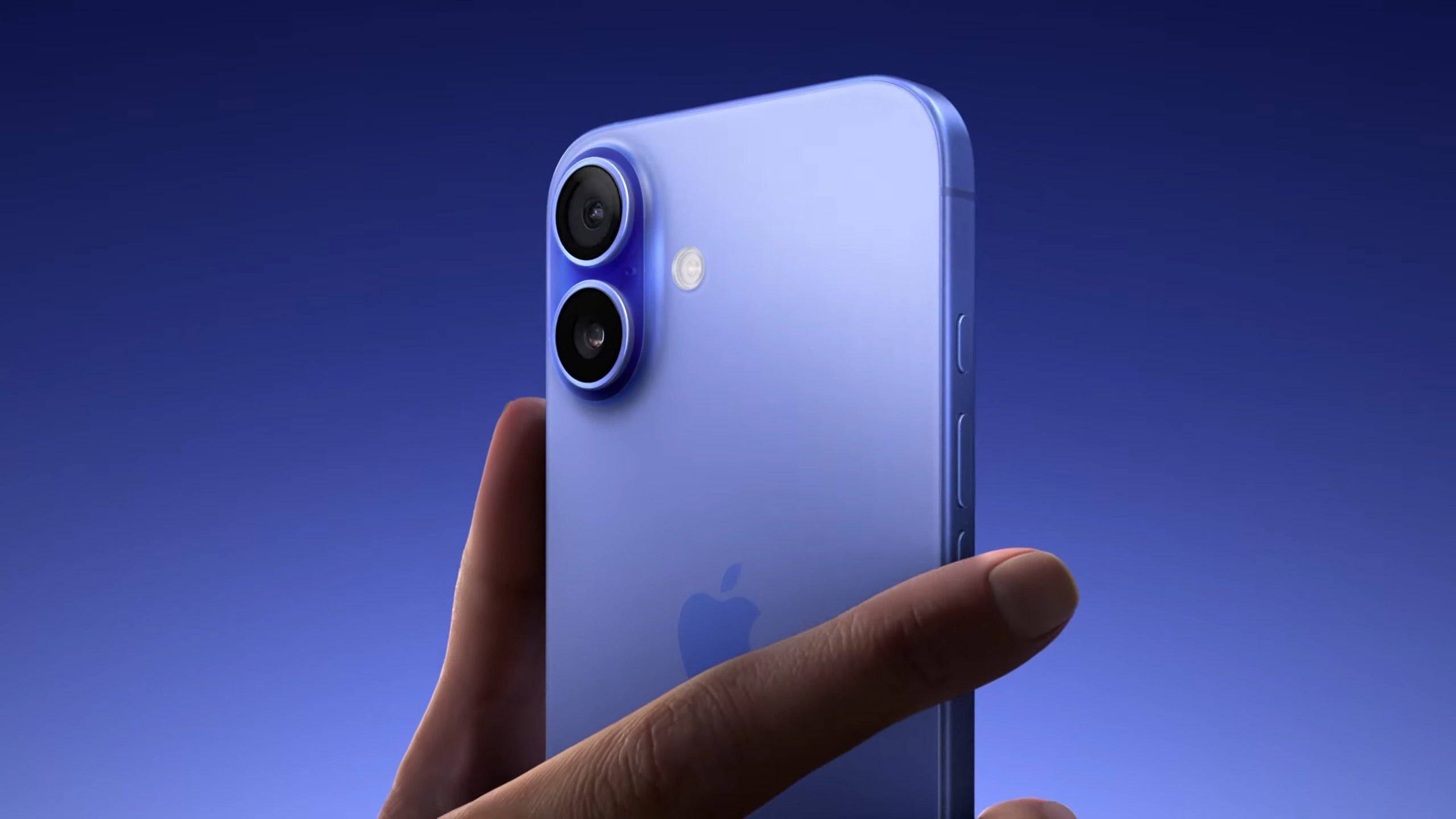
- iPhone 16 (September 20, 2024): Features faster CPU performance, a customizable action button, and Apple Intelligence integration.
Looking Ahead to the iPhone 17:
While details are scarce, the iPhone 17 is anticipated around September 2025, following Apple's typical release schedule.
This comprehensive overview provides a detailed look at the evolution of the iconic Apple iPhone.