
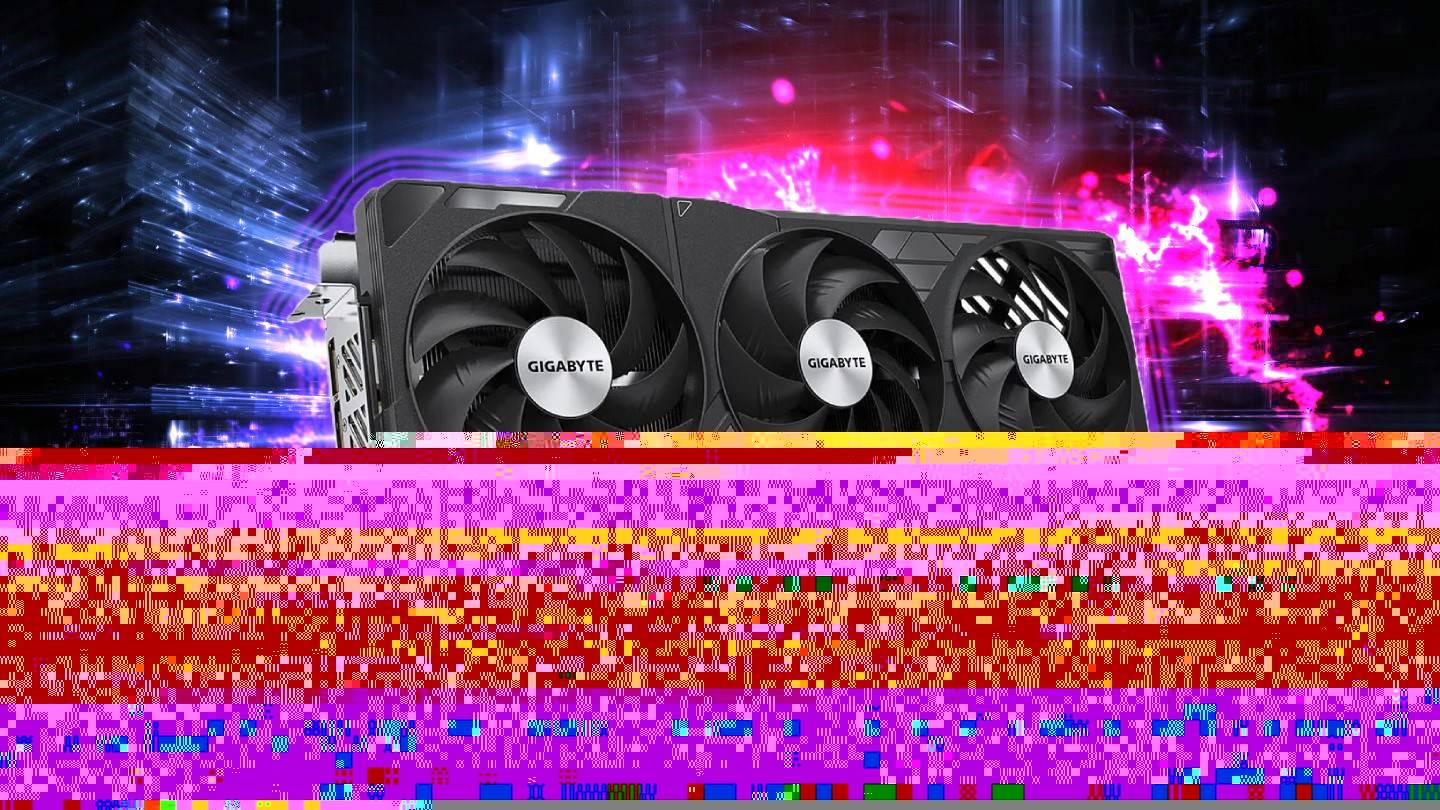
The visual fidelity of video games continues to improve, blurring the lines between reality and virtual worlds. This trend, while fueling countless online memes, also significantly increases system requirements. Upgrading your PC, especially the graphics card, becomes a frequent necessity for gamers. This article reviews the top graphics cards of 2024 and offers considerations for 2025. For a visual showcase of gaming's beauty in 2024, check out our companion article (link omitted for this example).
Table of Contents
- NVIDIA GeForce RTX 3060
- NVIDIA GeForce RTX 3080
- AMD Radeon RX 6700 XT
- NVIDIA GeForce RTX 4060 Ti
- AMD Radeon RX 7800 XT
- NVIDIA GeForce RTX 4070 Super
- NVIDIA GeForce RTX 4080
- NVIDIA GeForce RTX 4090
- AMD Radeon RX 7900 XTX
- Intel Arc B580
NVIDIA GeForce RTX 3060
A classic workhorse, the RTX 3060 has been a popular choice for everyday gamers for its versatility. Offering 8GB to 12GB of memory, ray tracing support, and solid performance under load, it's starting to show its age but remains a viable option for many. Performance may lag on the most demanding modern titles.
NVIDIA GeForce RTX 3080
The RTX 3080 continues to impress, often considered a flagship by many despite newer releases. Its robust design and efficiency surpass even some newer models like the RTX 3090 and RTX 4060, especially with a slight overclock. It remains an excellent price-to-performance option in 2025.
AMD Radeon RX 6700 XT
A surprising contender, the Radeon RX 6700 XT offers exceptional price-to-performance. It handles modern games smoothly and has challenged NVIDIA's market dominance, particularly impacting sales of the GeForce RTX 4060 Ti. Its higher memory and wider bus interface provide smooth gameplay at 2560x1440 resolution.
NVIDIA GeForce RTX 4060 Ti
Unlike its less successful counterpart, the RTX 4060, the RTX 4060 Ti has proven popular. While not drastically outperforming AMD options or the RTX 3080, it delivers solid performance, boasting a 4% average improvement over its predecessor at 2560x1440 resolution, further enhanced by Frame Generation.
AMD Radeon RX 7800 XT
The Radeon RX 7800 XT significantly outperforms the more expensive GeForce RTX 4070, achieving an 18% average performance lead at 2560x1440. Its 16GB of VRAM ensures longevity, and it surpasses the GeForce RTX 4060 Ti by 20% in ray-traced QHD gaming.
NVIDIA GeForce RTX 4070 Super
NVIDIA's response to competition, the GeForce RTX 4070 Super, offers a 10-15% performance boost over the RTX 4070, making it a top choice for 2K gaming. Its power consumption is modestly increased (200W to 220W), further optimizable through undervolting.
NVIDIA GeForce RTX 4080
A powerful card suitable for all games, often considered best for 4K resolution. Its substantial VRAM ensures future-proofing, and its enhanced ray tracing capabilities provide efficient performance. Many consider it NVIDIA's flagship, though the 4090 exists.
NVIDIA GeForce RTX 4090
NVIDIA's true flagship, offering unparalleled performance for high-end builds. While not vastly superior to the RTX 4080, its longevity and potential value proposition compared to future 50-series cards make it a compelling choice.
AMD Radeon RX 7900 XTX
AMD's top-tier offering, rivaling NVIDIA's flagship in performance but with a significant price advantage. It provides exceptional value and future-proof gaming capabilities.
Intel Arc B580
Intel's late 2024 entry, the Intel Arc B580, surprised the market with its immediate sell-out. It outperforms the RTX 4060 Ti and RX 7600 by 5-10% while offering 12GB of VRAM at a remarkable $250 price point, signaling potential future competition for NVIDIA and AMD.
In conclusion, despite rising prices, gamers have access to powerful graphics cards across various budgets. High-end models offer years of future-proof gaming, while more budget-friendly options still deliver solid performance for modern titles.