
The Nvidia GeForce RTX 5070 Ti: A Budget-Friendly 4K Gaming Champion?
The Nvidia GeForce RTX 5090's underwhelming generational leap and high price point left many wanting. The RTX 5070 Ti, however, offers a more compelling proposition. While not drastically faster than its predecessor, its affordability makes it the most sensible Blackwell-architecture card for most consumers, especially those on a budget.
Priced at $749, the RTX 5070 Ti excels as a 4K graphics card, effectively overshadowing the more expensive RTX 5080 (provided you can find either card at MSRP). It's crucial to note, however, that aftermarket models, like the MSI version reviewed here ($1099), significantly inflate the cost, surpassing the RTX 5080's $999 price tag. At its base price, though, the RTX 5070 Ti is a strong contender for the best graphics card for 4K gaming.
Purchasing Guide
The Nvidia GeForce RTX 5070 Ti launched February 20, 2025, with a starting price of $749. Remember, this is the base price; expect significant price variations among different models. While excellent value at $749, its appeal diminishes as the price approaches that of the RTX 5080.
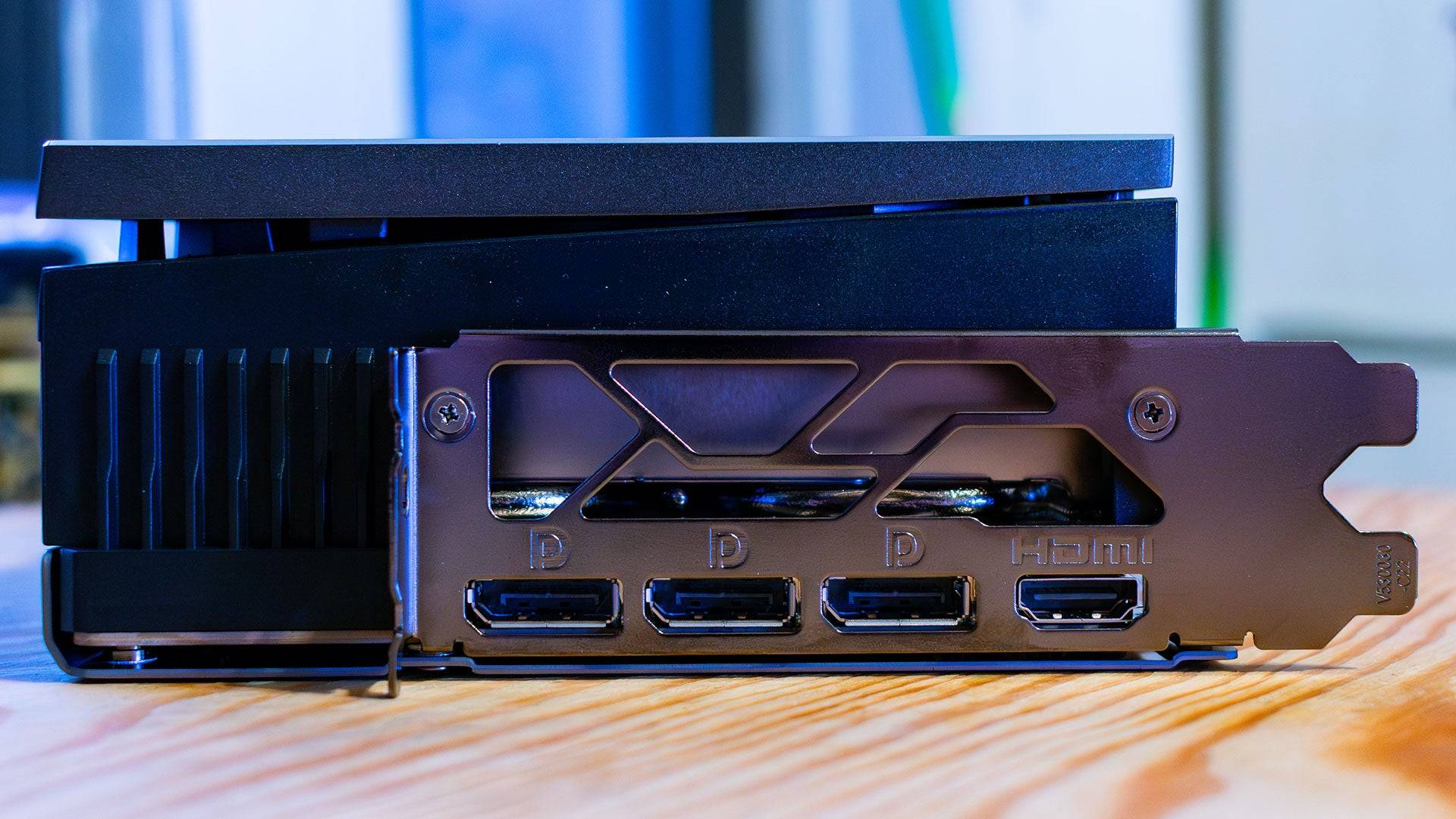
Nvidia GeForce RTX 5070 Ti – Photos
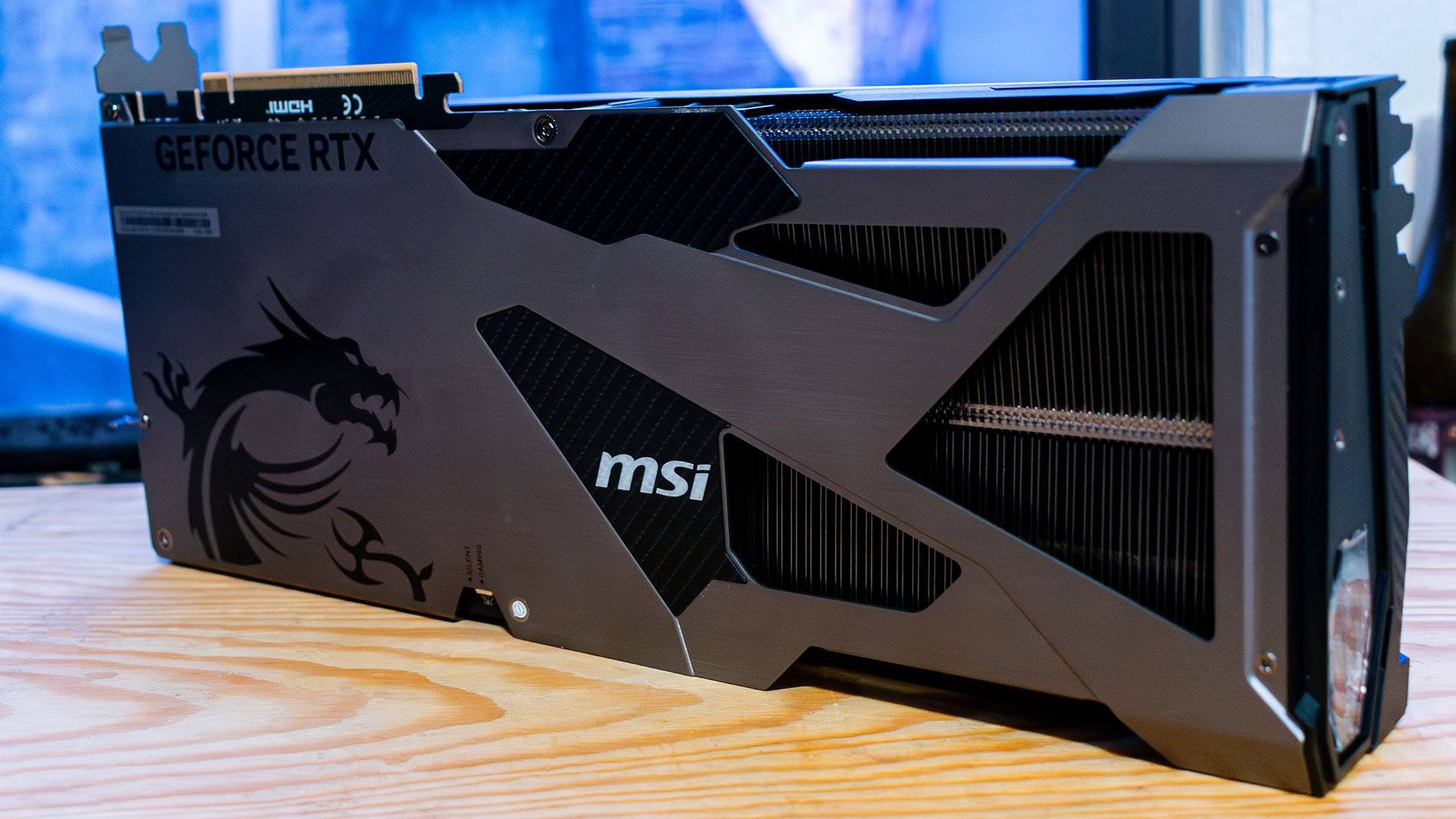
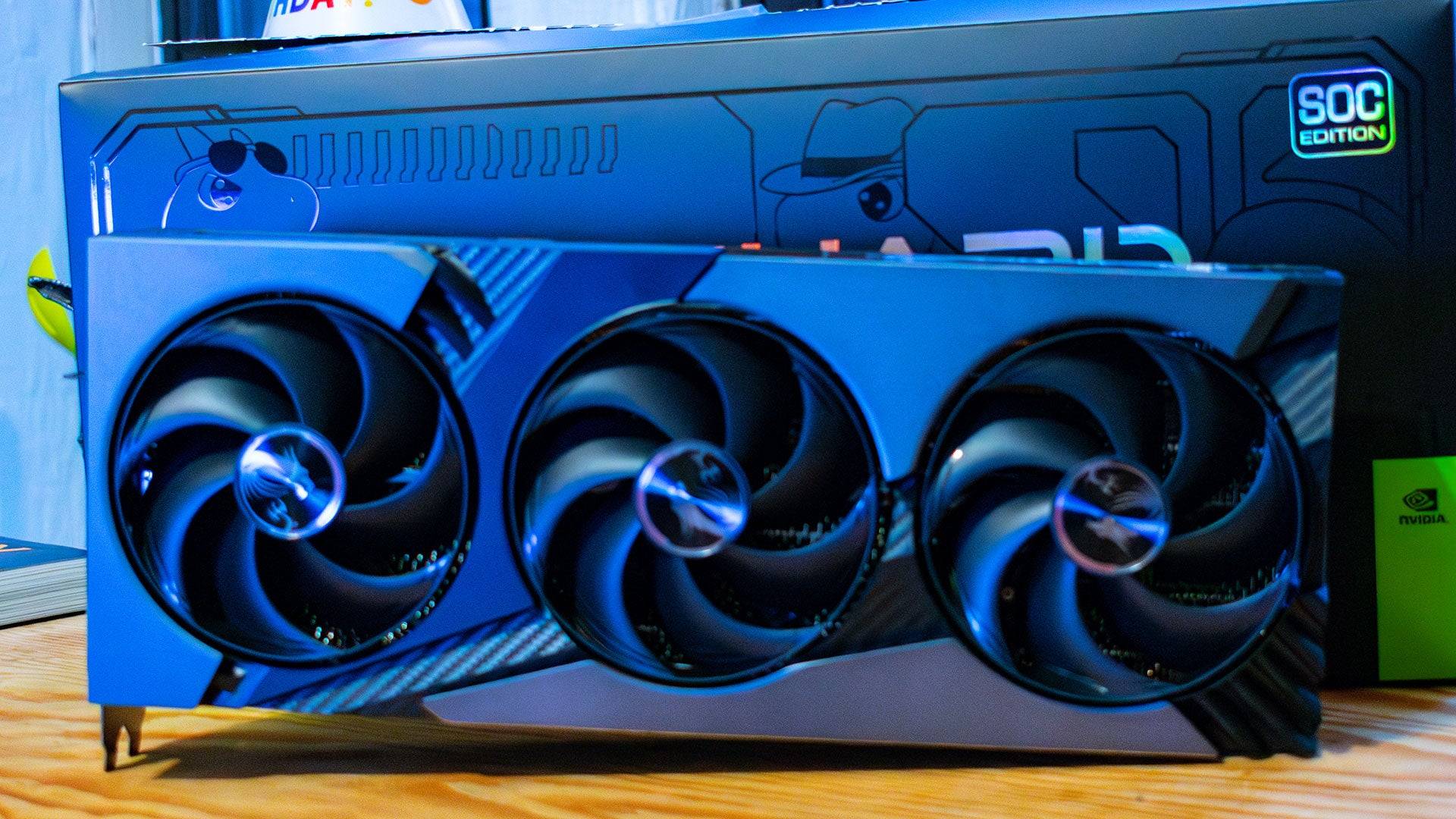 6 Images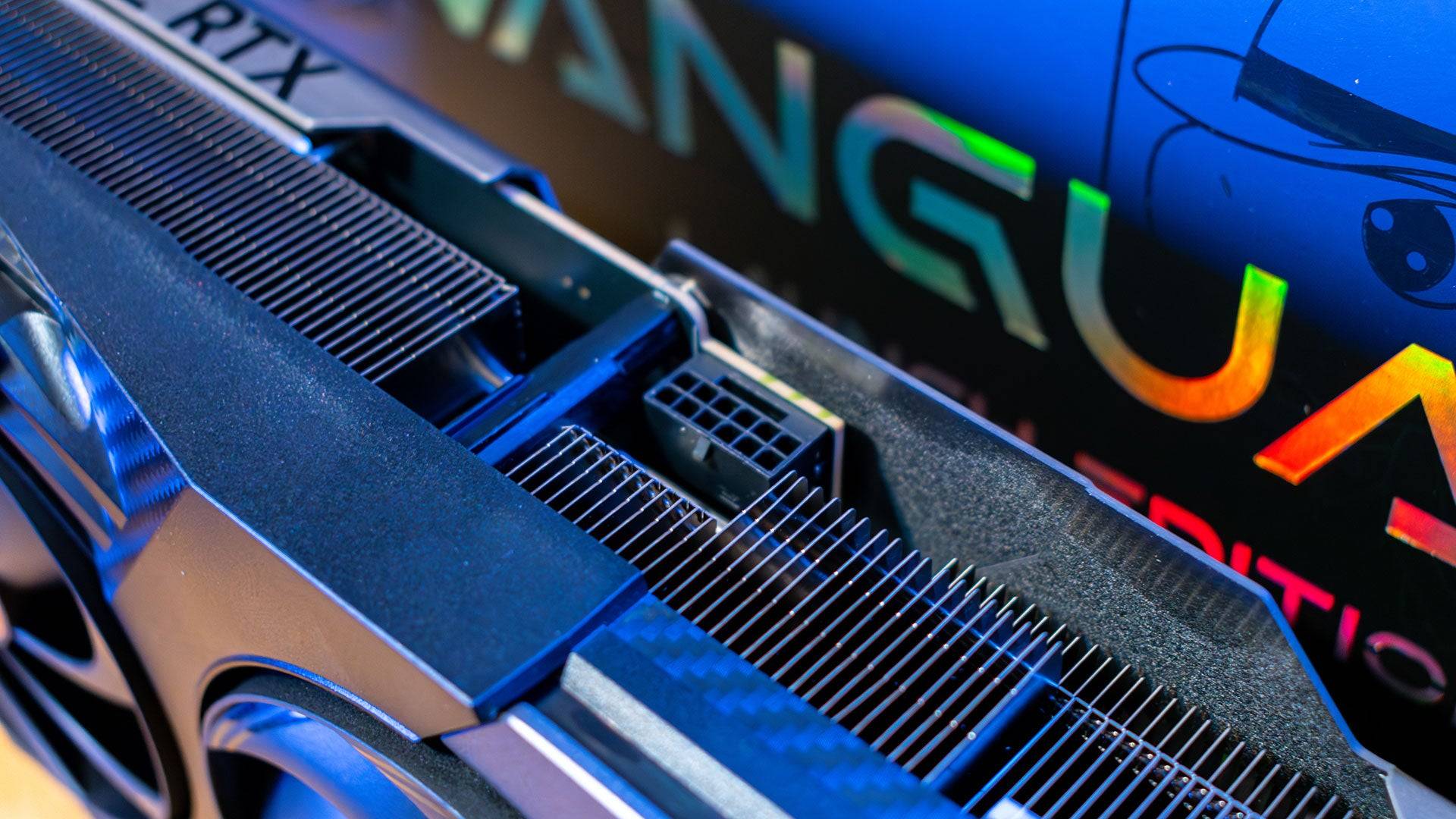
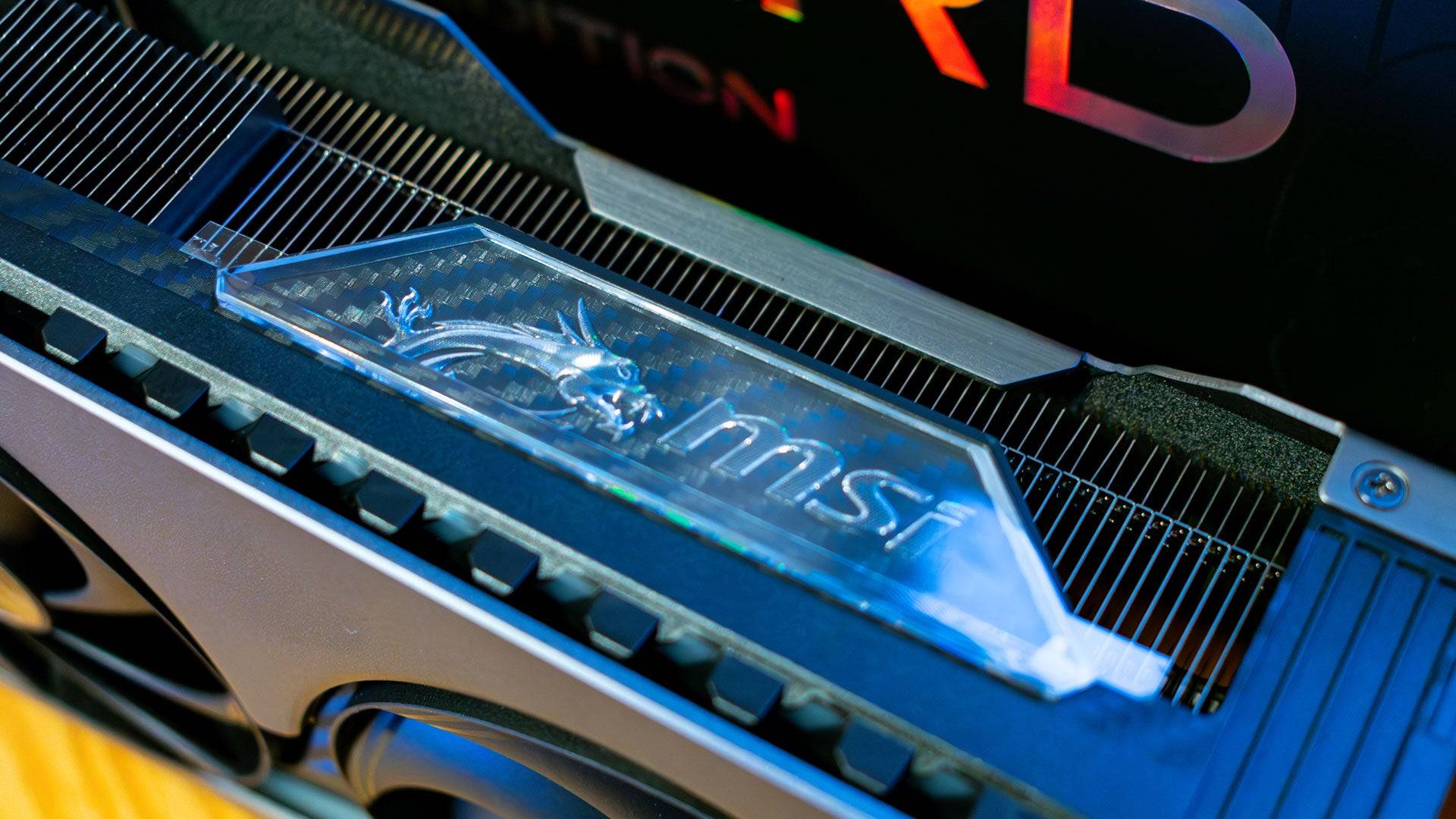

Specs and Features
The RTX 5070 Ti is the third Blackwell-architecture card. Initially designed for AI supercomputers, this architecture has been adapted for gaming GPUs, retaining its AI focus.
Sharing the GB203 GPU with the RTX 5080, it features 70 Streaming Multiprocessors (SMs), 8,960 CUDA cores, 70 RT cores, and 280 Tensor Cores (14 SMs disabled compared to the 5080). It also boasts 16GB of GDDR7 RAM, albeit slightly slower than the 5080. The Tensor Cores, however, are key. While CUDA cores offer a performance boost over the RTX 4070 Ti, Nvidia relies on AI upscaling and frame generation to maximize performance.
Blackwell introduces an AI Management Processor (AMP) to optimize workload distribution across the GPU, a task previously handled by the CPU. This significantly improves the efficiency of DLSS and frame generation.
DLSS 4 uses a Transformer model instead of a CNN, enhancing image quality by reducing ghosting and artifacts. It also features Multi-Frame Generation (MFG), generating up to three AI-generated frames per rendered frame, potentially quadrupling frame rates. The tradeoff is increased latency, partially mitigated by Nvidia Reflex.
With a 300W TBP, power consumption is comparable to the RTX 4070 Ti and 4070 Ti Super (285W). Nvidia recommends a 750W PSU, but an 850W PSU is advisable, especially for high-end models.
DLSS 4: Is It Worth It?
While faster than its predecessor, the RTX 5070 Ti's main selling point is DLSS 4, particularly MFG. For high-refresh-rate monitors, it maximizes performance but doesn't drastically improve latency.
MFG analyzes rendered frames and motion vectors to predict subsequent frames, generating up to three additional frames. While theoretically quadrupling frame rates, real-world gains are less dramatic. Latency increases are minimal at high frame rates, becoming noticeable at lower frame rates due to the algorithm's increased difficulty in accurate prediction. The RTX 5070 Ti, however, maintains high frame rates even at 4K, minimizing this concern.
Nvidia GeForce RTX 5070 Ti – Benchmarks
 12 Images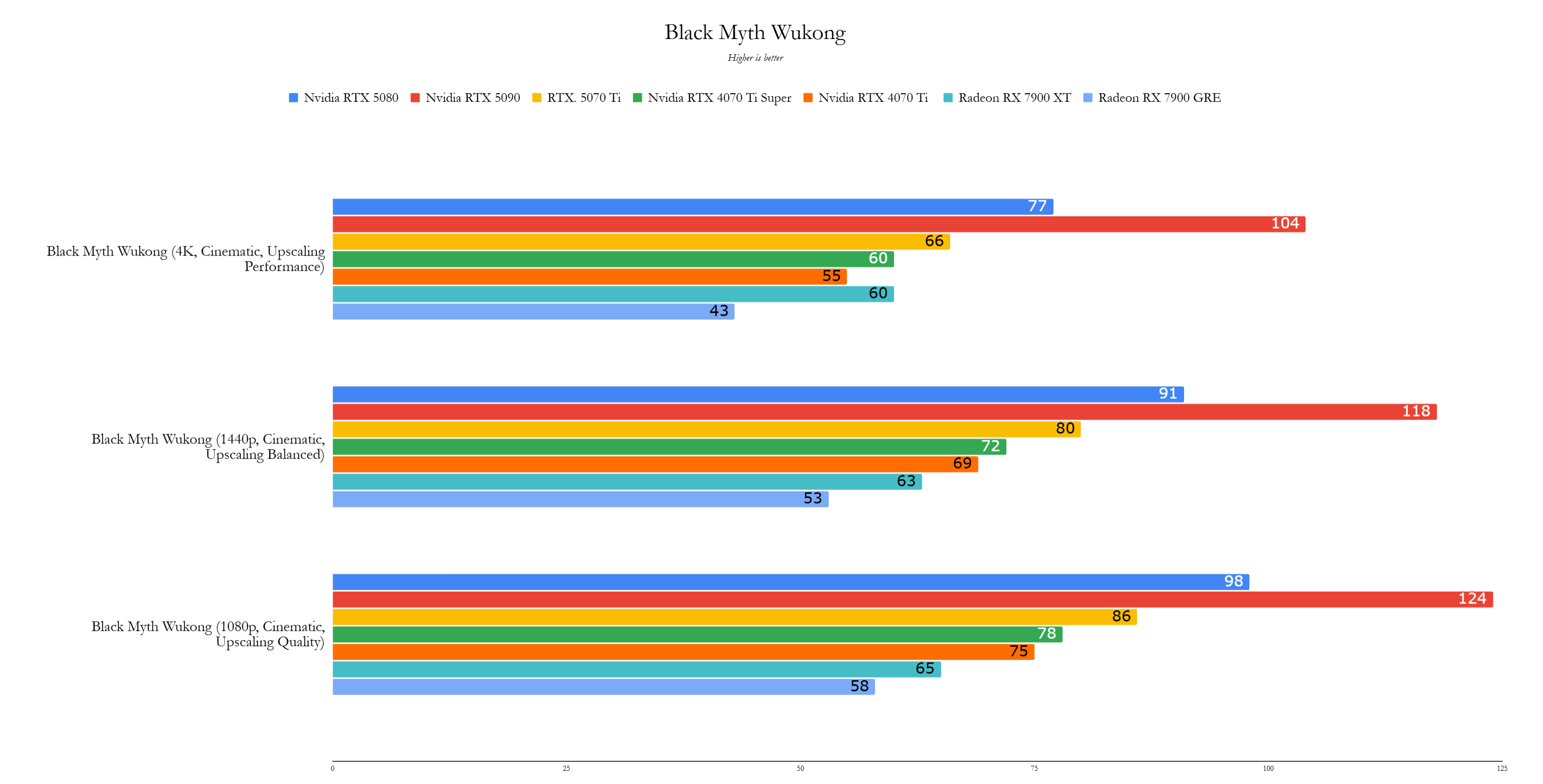
Performance
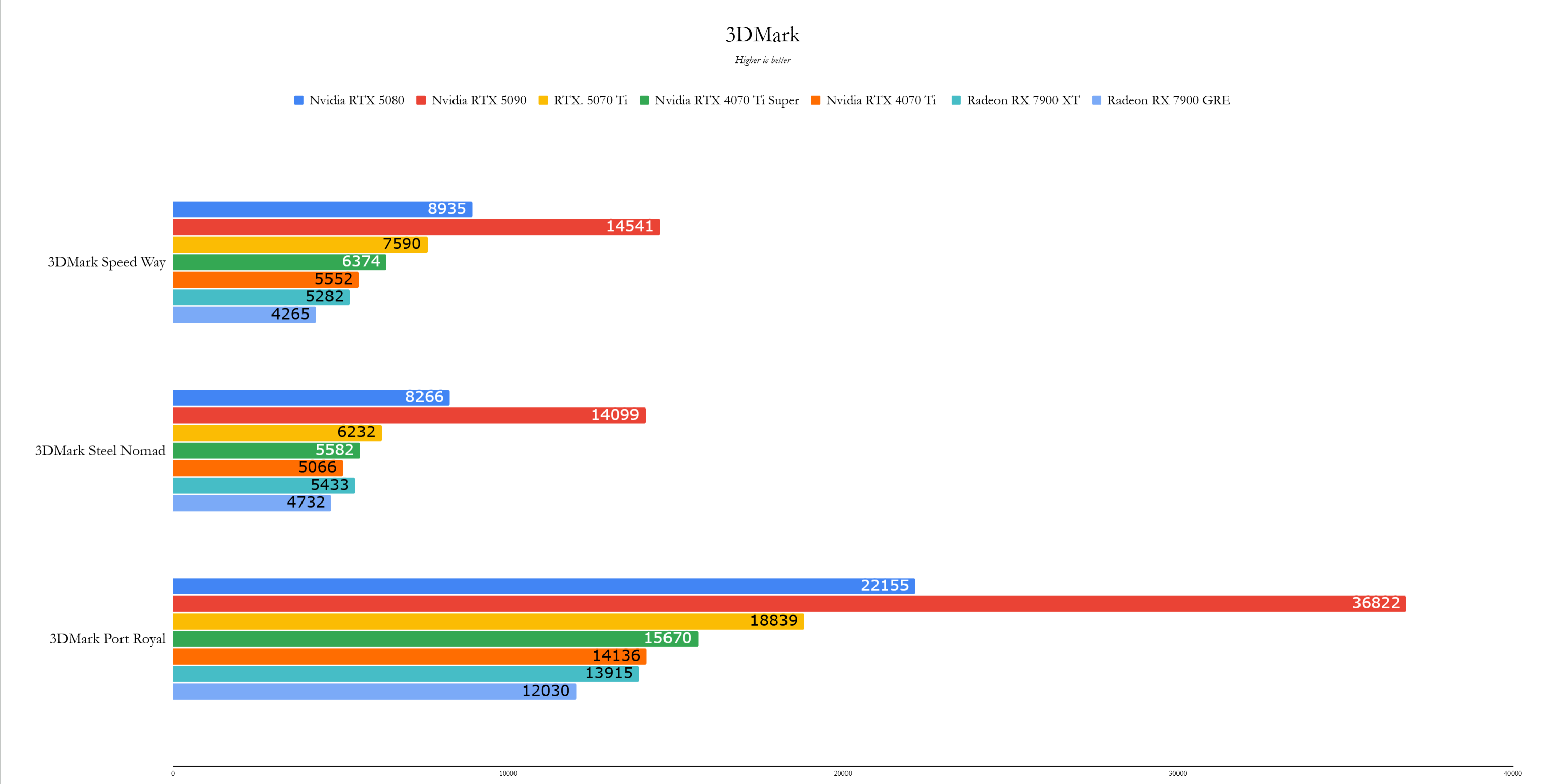
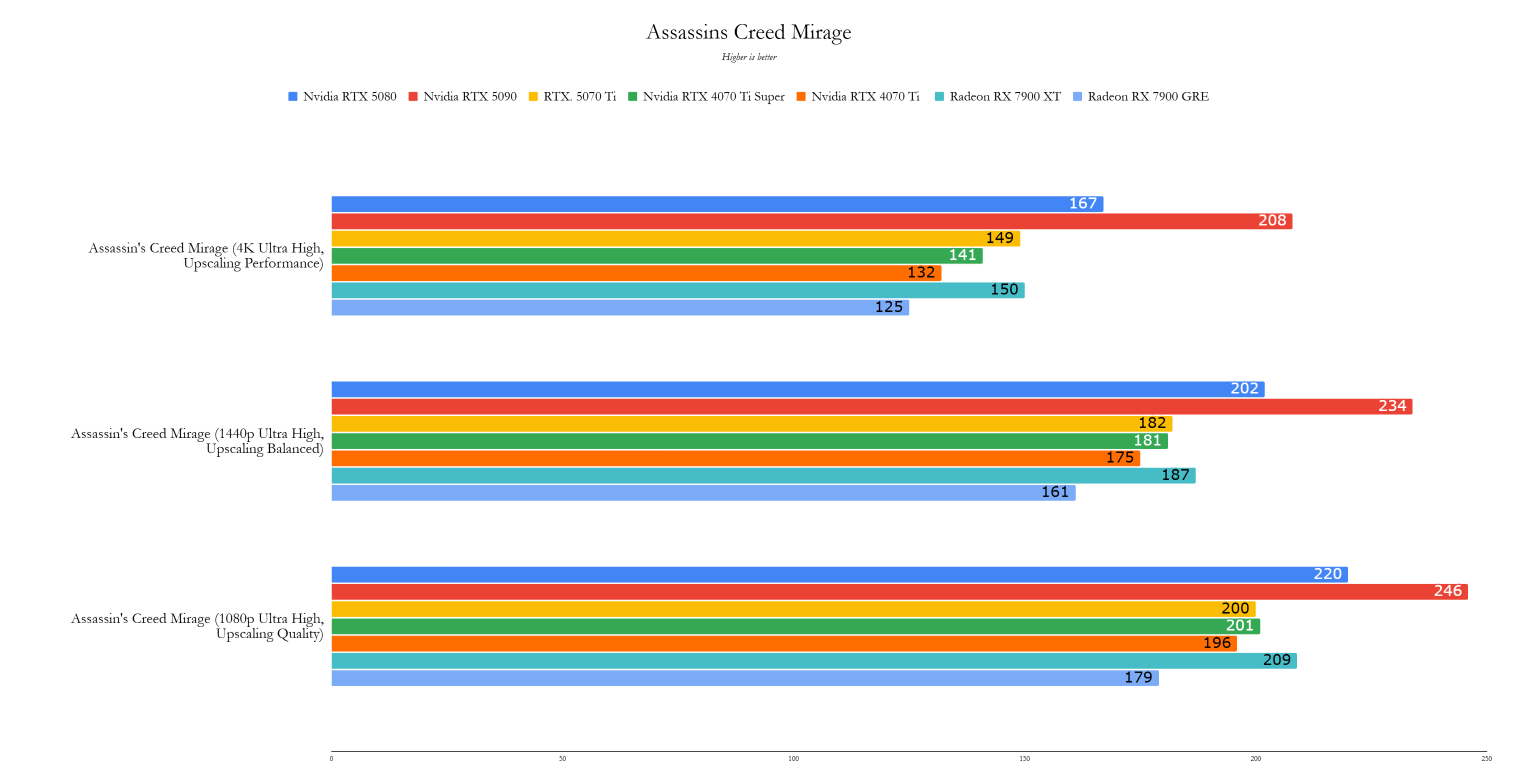
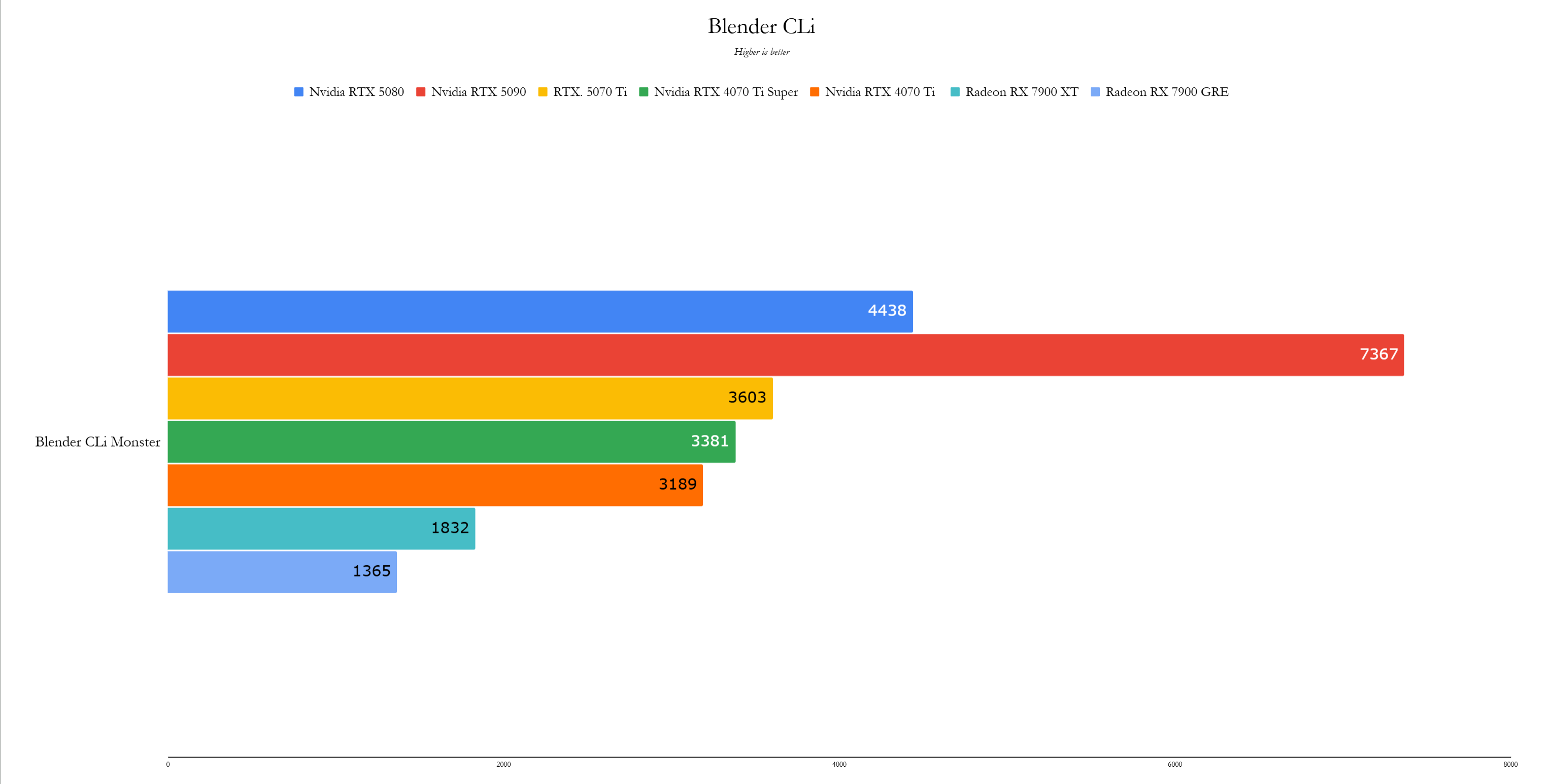
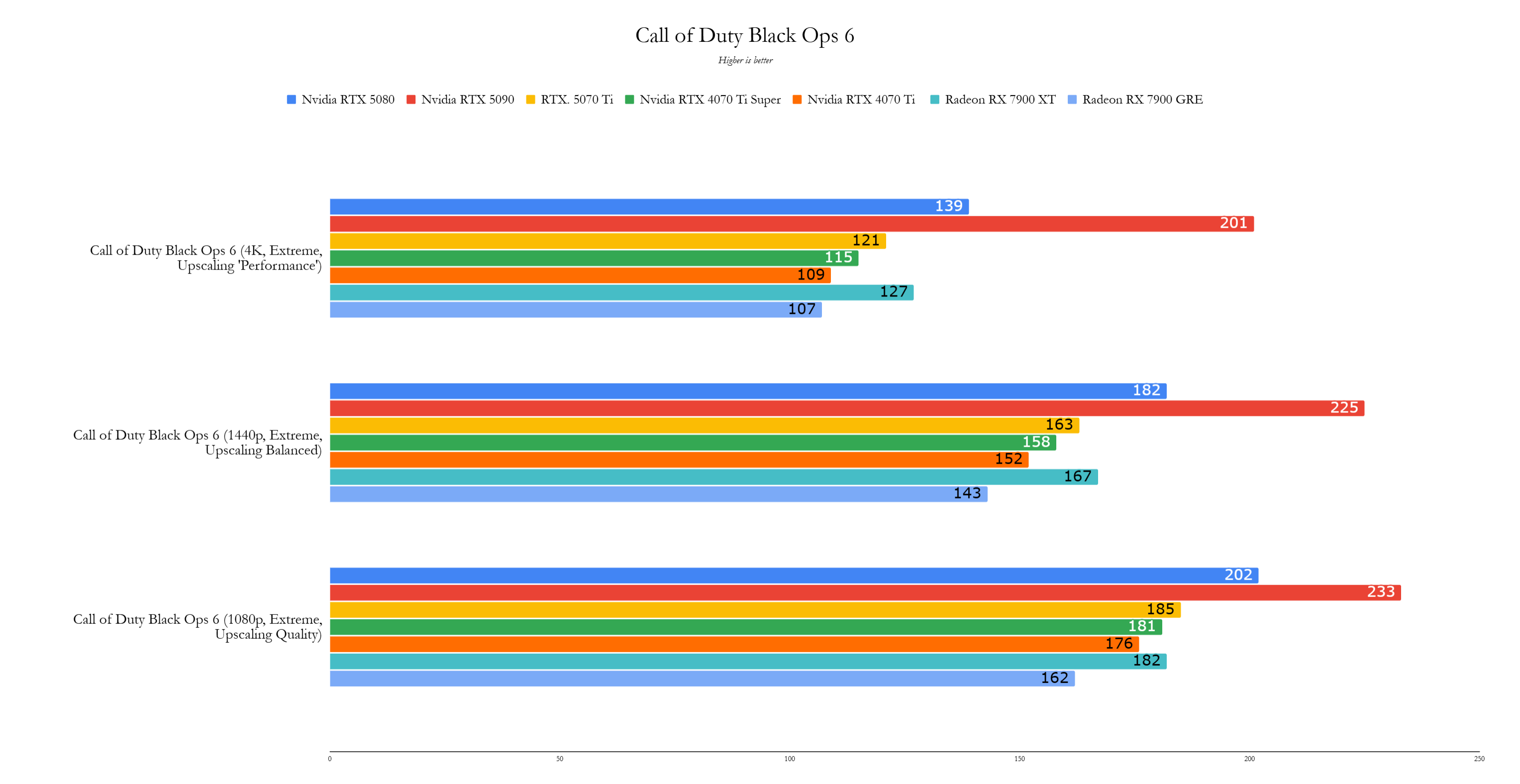
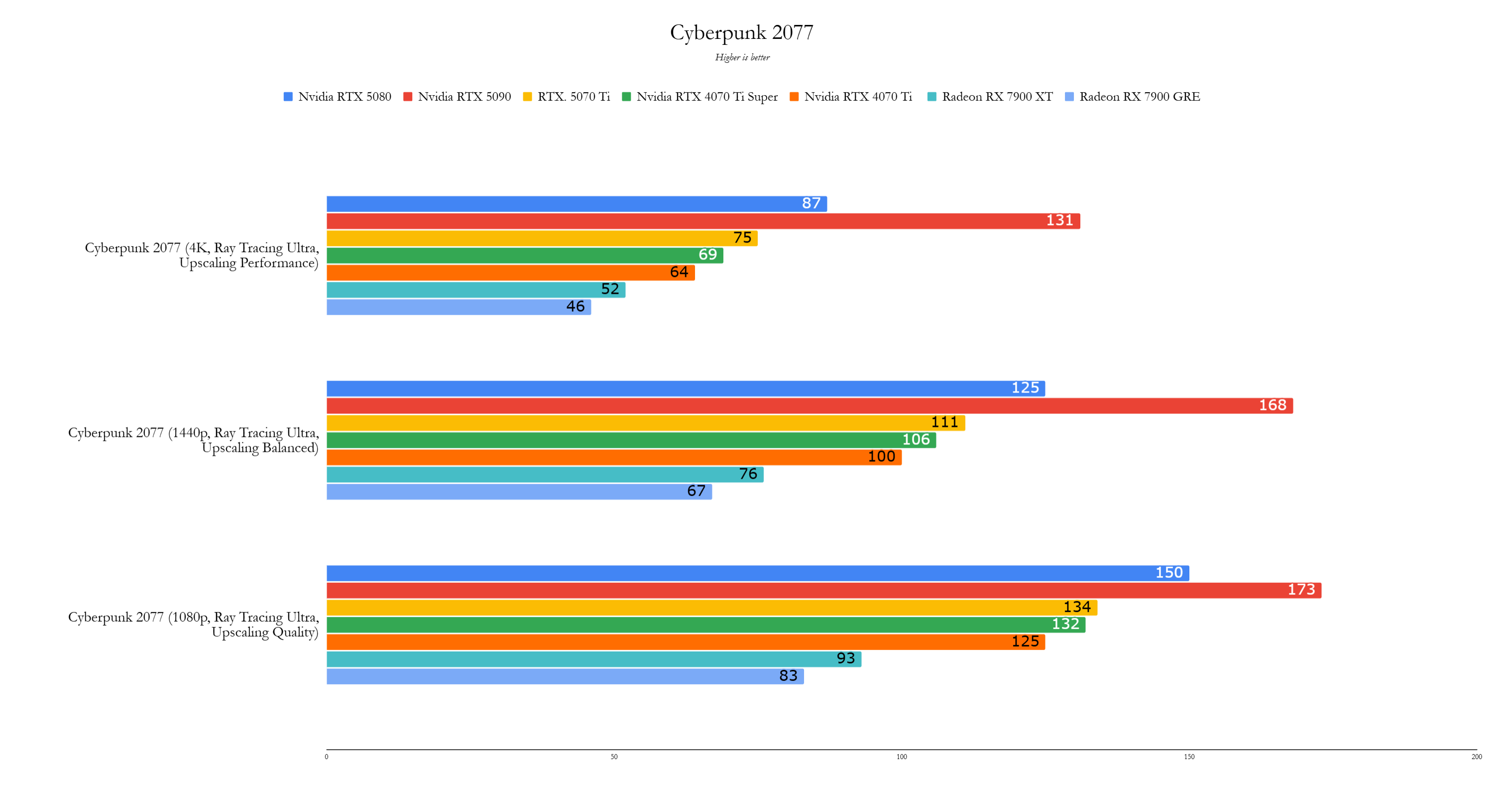
At 4K, the RTX 5070 Ti surpasses the RTX 4070 Ti Super by 11% and the RTX 4070 Ti by 21%, offering better value than the RTX 5080. It consistently achieves over 60fps at 4K in demanding titles.
Test System:
- CPU: AMD Ryzen 7 9800X3D
- Motherboard: Asus ROG Crosshair X870E Hero
- RAM: 32GB G.Skill Trident Z5 Neo @ 6,000MHz
- SSD: 4TB Samsung 990 Pro
- CPU Cooler: Asus ROG Ryujin III 360
The review utilizes stock settings on the MSI Vanguard Edition RTX 5070 Ti to assess general performance. Testing employed the latest game versions and drivers (Game Ready Driver 572.42 for Nvidia cards except the 5070 Ti, which used a pre-release driver; Adrenalin 24.12.1 for AMD cards). Frame generation and upscaling (DLSS/FSR) were disabled or used appropriately for each card.
Benchmark results show significant improvements over previous generations in various titles, showcasing the RTX 5070 Ti's potential for future optimization. While some games showed smaller generational leaps, the overall performance at 4K remains impressive.
Conclusion
The Nvidia GeForce RTX 5070 Ti, at its $749 MSRP, presents exceptional value as a 4K GPU. It delivers a substantial performance upgrade over its predecessor at a lower price point than the RTX 4070 Ti, making it a compelling choice for 4K gaming enthusiasts.