The Latvian animated film Flow by Gints Zilbalodis has emerged as a standout cinematic achievement in 2024, captivating audiences and critics alike. With over 20 international awards, including a Golden Globe and a historic Oscar for Best Animated Feature, it marks a significant milestone as the first Latvian production to earn such prestigious recognition.
Set in a hauntingly beautiful post-apocalyptic world devoid of humans, Flow follows the journey of a resourceful cat navigating this new reality with other animal survivors as they face an impending global flood.
Table of Content
- Here's what makes Flow so extraordinary
- The open-ended conclusion leaves viewers pondering multiple possibilities
- Recording authentic animal sounds presented unique challenges
 Image: ensigame.com
Here's what makes Flow so extraordinary
At its core, Flow uses animals to delve into complex human characteristics and social dynamics. The cat embodies adaptability and resourcefulness, always alert and ready to adapt to changing circumstances. The capybara represents balance and calmness, yet also serves as a caution against complacency and indifference. The secretary bird symbolizes strong leadership, capable of making tough decisions even when they're unpopular. The labradors exhibit youthful energy and the need for social connection, while the lemur critiques modern consumerism and materialism.
These characters weave a rich tapestry of personalities, offering valuable lessons for children and familiar traits for adults to recognize. Director Gints Zilbalodis drew inspiration from his own experience building a team for this project, paralleling it with the cat's journey of learning trust and collaboration.
The Story Sparks Childlike Imagination
Released amidst the aftermath of a global pandemic and political turmoil, Flow deeply resonates with contemporary concerns about survival, cooperation, and environmental challenges. Without relying on dialogue or human characters, the film invites viewers to interpret its many layers.
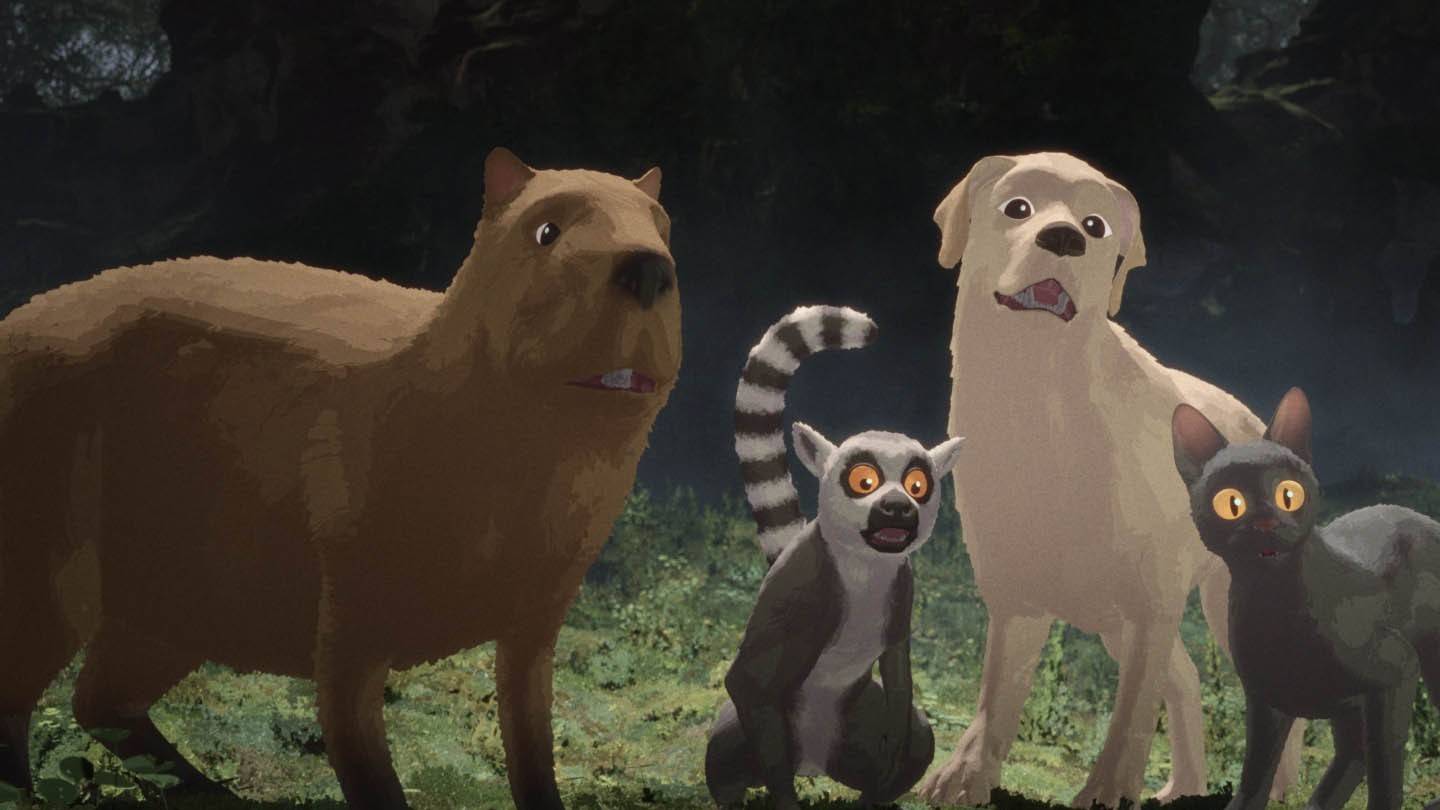 Image: ensigame.com
What happened to humans? Early scenes showing remnants of civilization, such as boats hanging from trees, suggest previous floods and possible evacuations. The director intentionally left these details ambiguous, encouraging audiences to form their own theories.
The mysterious secretary bird raises intriguing questions about perception and reality. Is it a manifestation of divine intervention, a stress-induced hallucination, or simply a powerful leader emerging in times of crisis?
The open-ended conclusion leaves viewers pondering multiple possibilities
- Will the main characters find new ways to coexist after the flood?
- How might their relationships evolve under extreme conditions?
- What lessons about survival and community can we learn from their experiences?
This multilayered approach allows each viewer to find personal meaning in the story.
Unique Animation Style Looks Deceptively Simple
Flow's visual style breaks away from traditional animation conventions, creating a distinctive aesthetic that enhances its storytelling. Inspired by watercolor techniques and video game design, the animation achieves a dreamlike quality that perfectly complements the film's themes. While initially different from mainstream styles, this approach draws viewers deeper into the world of Flow.
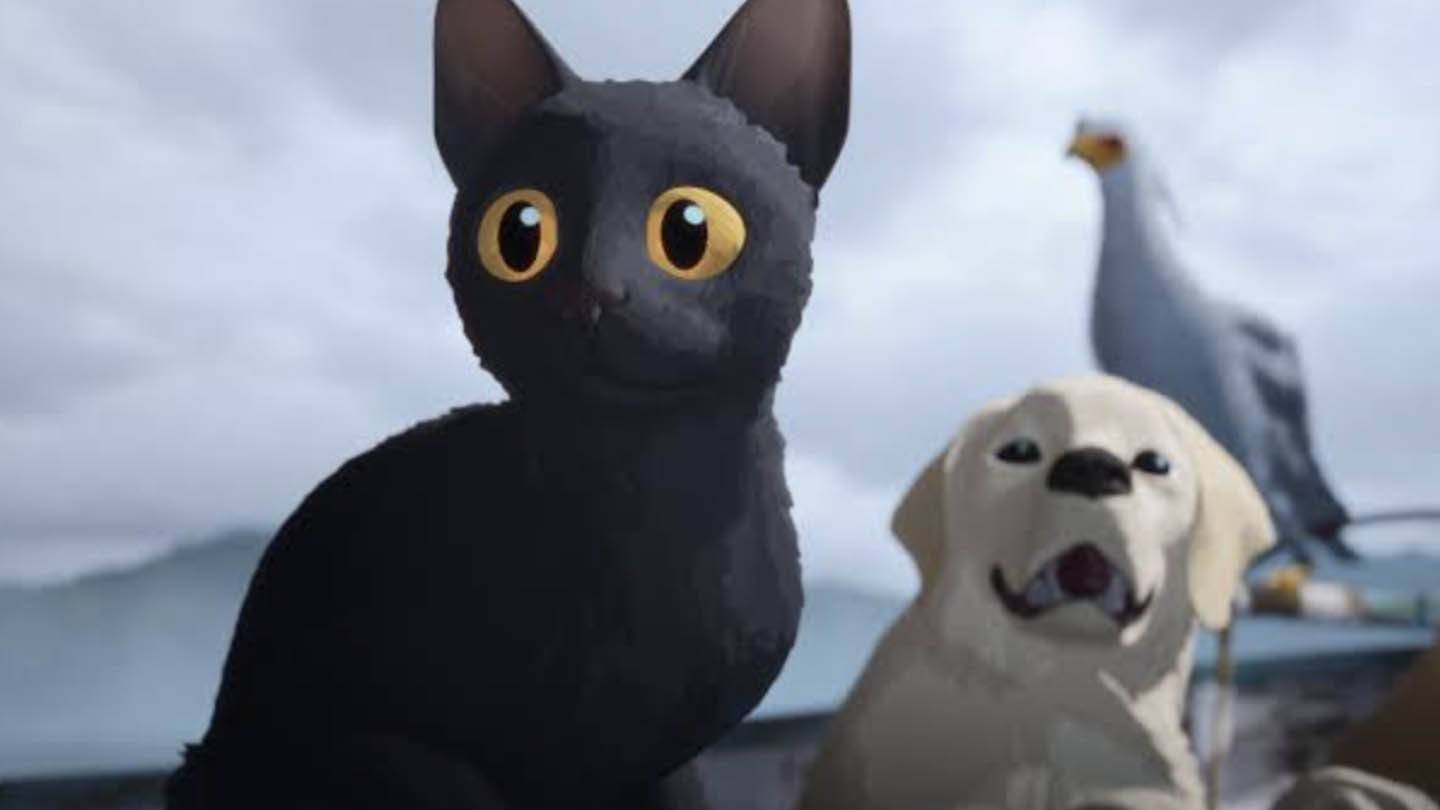 Image: ensigame.com
Unlike blockbuster animations with sharp outlines and fast-paced editing, Flow's seamless transitions and extended shots immerse audiences completely. These technical choices create moments of pure cinematic magic, such as when the camera follows characters through expansive landscapes without cuts.
No Words Needed
Flow proves that compelling storytelling doesn't require dialogue. Through expert use of body language, facial expressions, and natural soundscapes, the film communicates emotions and relationships effectively.
Recording authentic animal sounds presented unique challenges
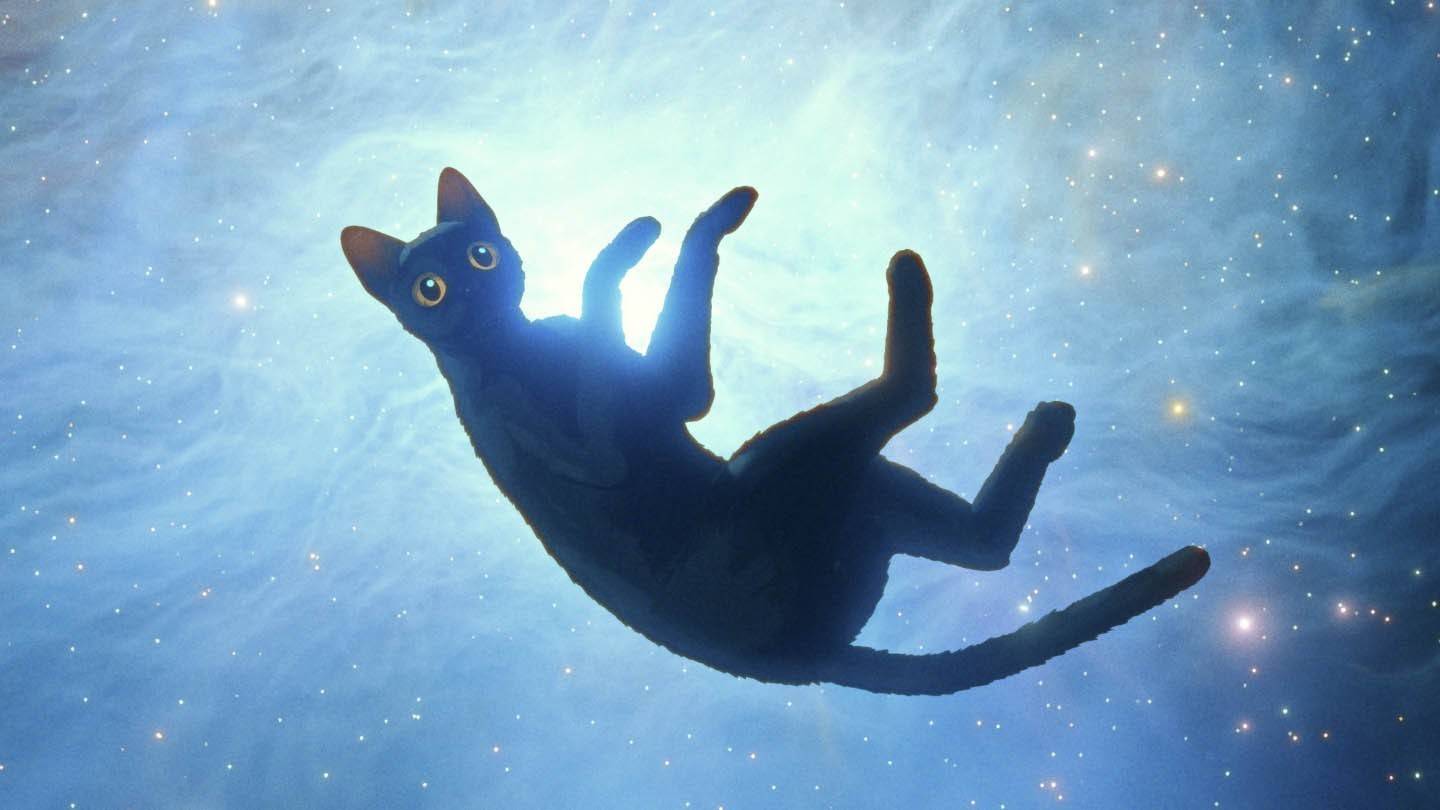 Image: ensigame.com
The lead cat required covert recording methods to capture natural vocalizations. Capybaras only vocalize during specific situations like being tickled, leading to innovative solutions involving different species. Even common sounds had to be carefully crafted to match each character's personality.
Critical Acclaim and Recognition
Despite its modest $3.5 million budget—a fraction of competitors' resources—Flow received widespread praise from industry leaders. Guillermo del Toro called it "a visionary beginning for animation's future." Bill Hader declared it "the best film of 2024" despite his allergy to cats. Wes Anderson praised its "absolute uniqueness and wild excitement."
The film's success demonstrates how creative vision and innovative techniques can overcome financial limitations to achieve artistic excellence recognized worldwide.