
We're used to upgrading our tech every few years – the latest iPhone, a struggling processor, or a graphics card that can't handle the newest games. Old hardware often gets resold or tossed. But many outdated devices are still working, and surprisingly, indispensable. Here are eight remarkable examples of vintage tech that's still holding its own.
Table of Contents
- Retro Computers Mining Bitcoin
- A Reliable Mechanic's Assistant Since the '80s
- Vintage Tech as a Bakery POS System
- Outdated Systems Managing Nuclear Arsenals
- Windows XP Powers Multi-Billion Dollar Aircraft Carrier
- Critical Airport Infrastructure Fails Due to Legacy Software
- Classic Hardware Used for Cutting-Edge Research
- Nostalgia Keeps Old Systems Alive
Retro Computers Mining Bitcoin
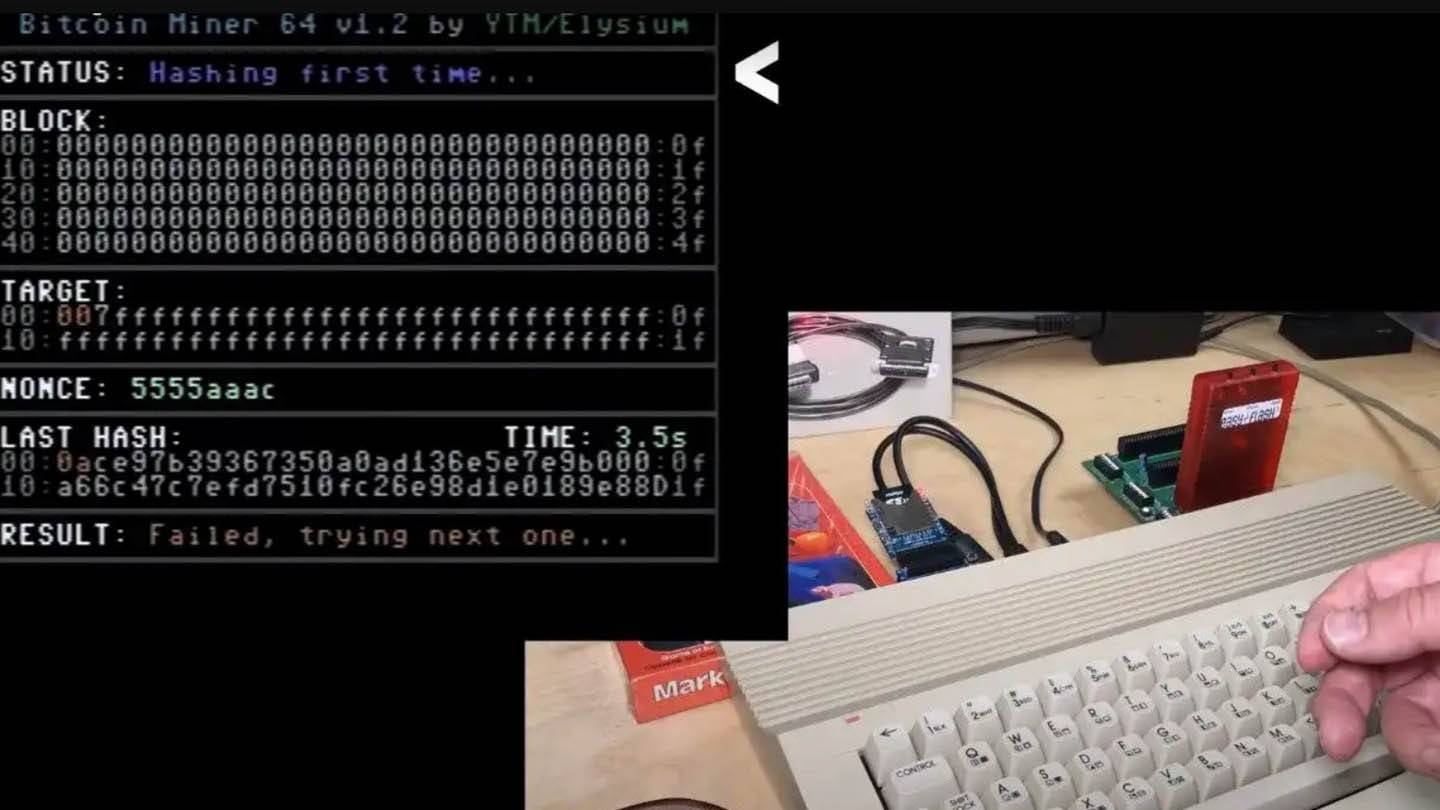 Image: x.com
Believe it or not, a Commodore 64 (from 1982!) was used to mine Bitcoin. The results? A paltry 0.3 hashes per second thanks to its 8-bit, 1 MHz processor. Compare that to an RTX 3080 GPU, which manages 100 million hashes per second. Mining a single Bitcoin with the C64? Expect to wait about a billion years.
A YouTuber, stacksmashing, even tried mining with a 1989 Nintendo Game Boy. Connected to the internet via a Raspberry Pi Pico microcontroller, the Game Boy achieved 0.8 hashes per second – slightly faster than the C64, but still about 125 trillion times slower than modern ASIC miners. To mine one Bitcoin? Longer than the universe has existed.
A Reliable Mechanic’s Assistant Since the '80s
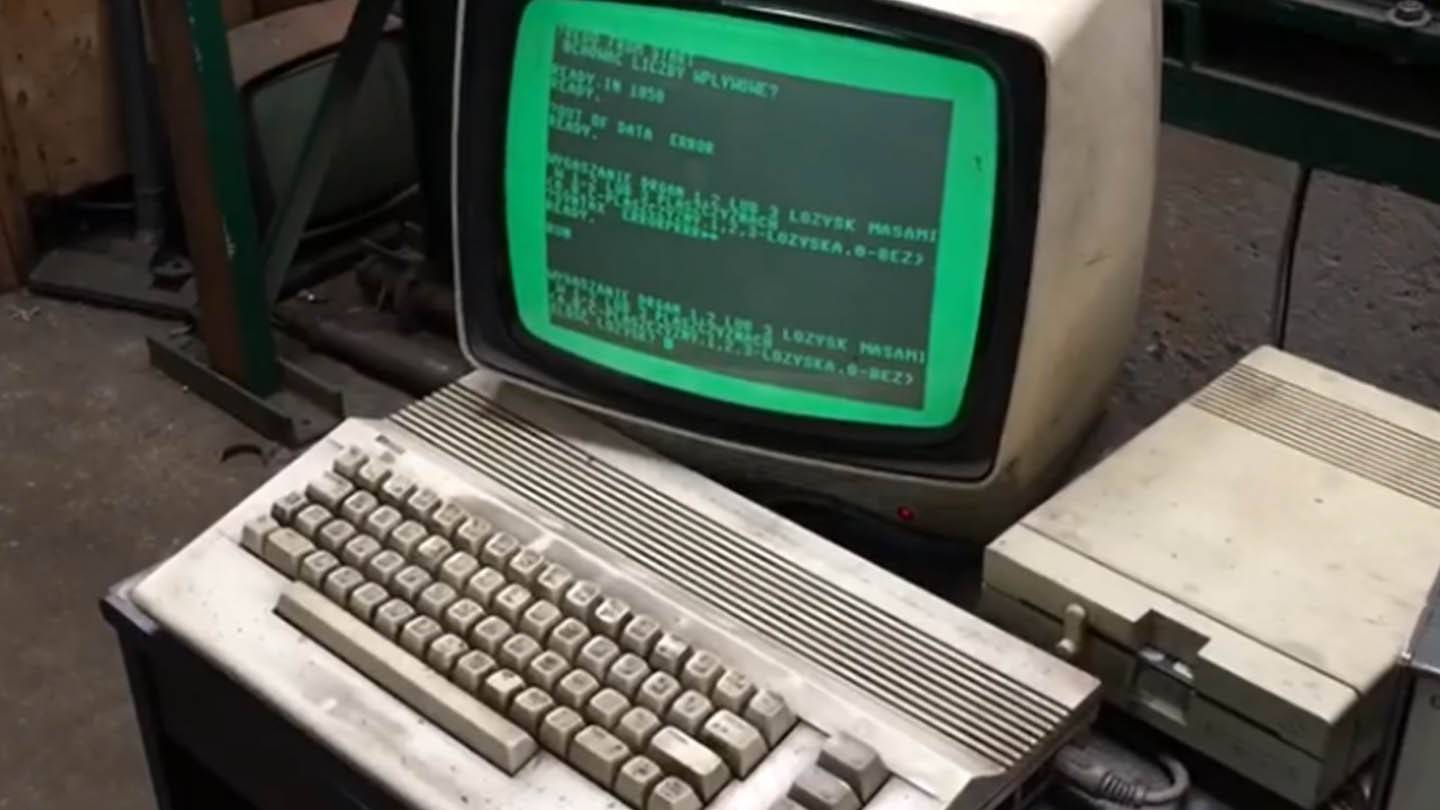 Image: x.com
In Gdansk, Poland, a Commodore 64C has been helping mechanics for over three decades. It even survived a flood! This 1 MHz CPU, with its mere 64 KB of memory, flawlessly runs custom software for drive shaft calculations. Sometimes, older technology just outlasts the new stuff.
Vintage Tech as a Bakery POS System
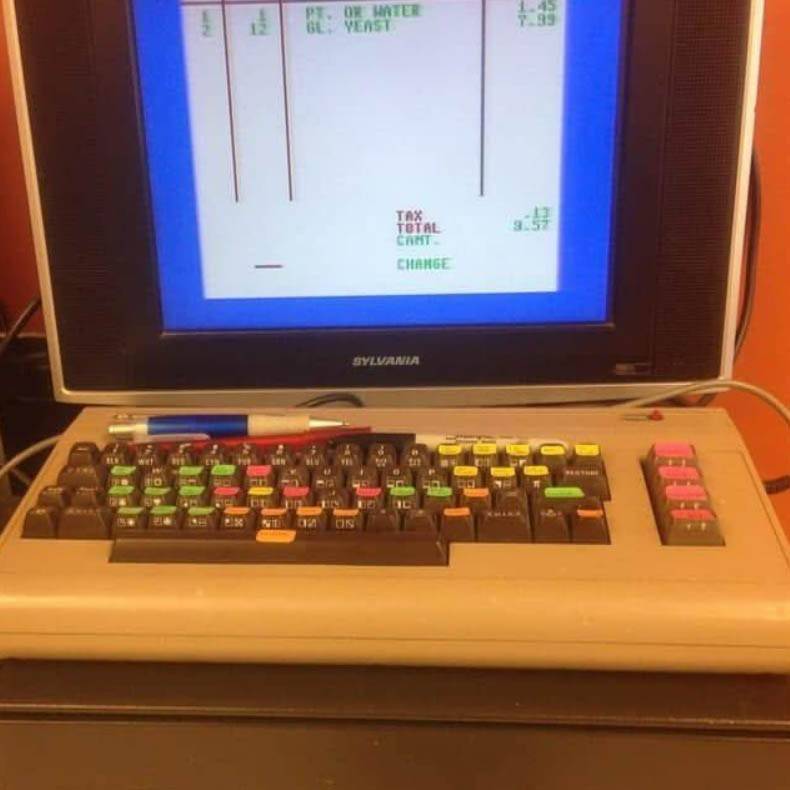 Image: x.com
An Indiana bakery has used a Commodore 64 as its point-of-sale (POS) system since the 1980s. Affectionately nicknamed the "breadbox," this online cash register remains reliable, needing only keyboard label updates for new baked goods. No software update nightmares here!
Outdated Systems Managing Nuclear Arsenals
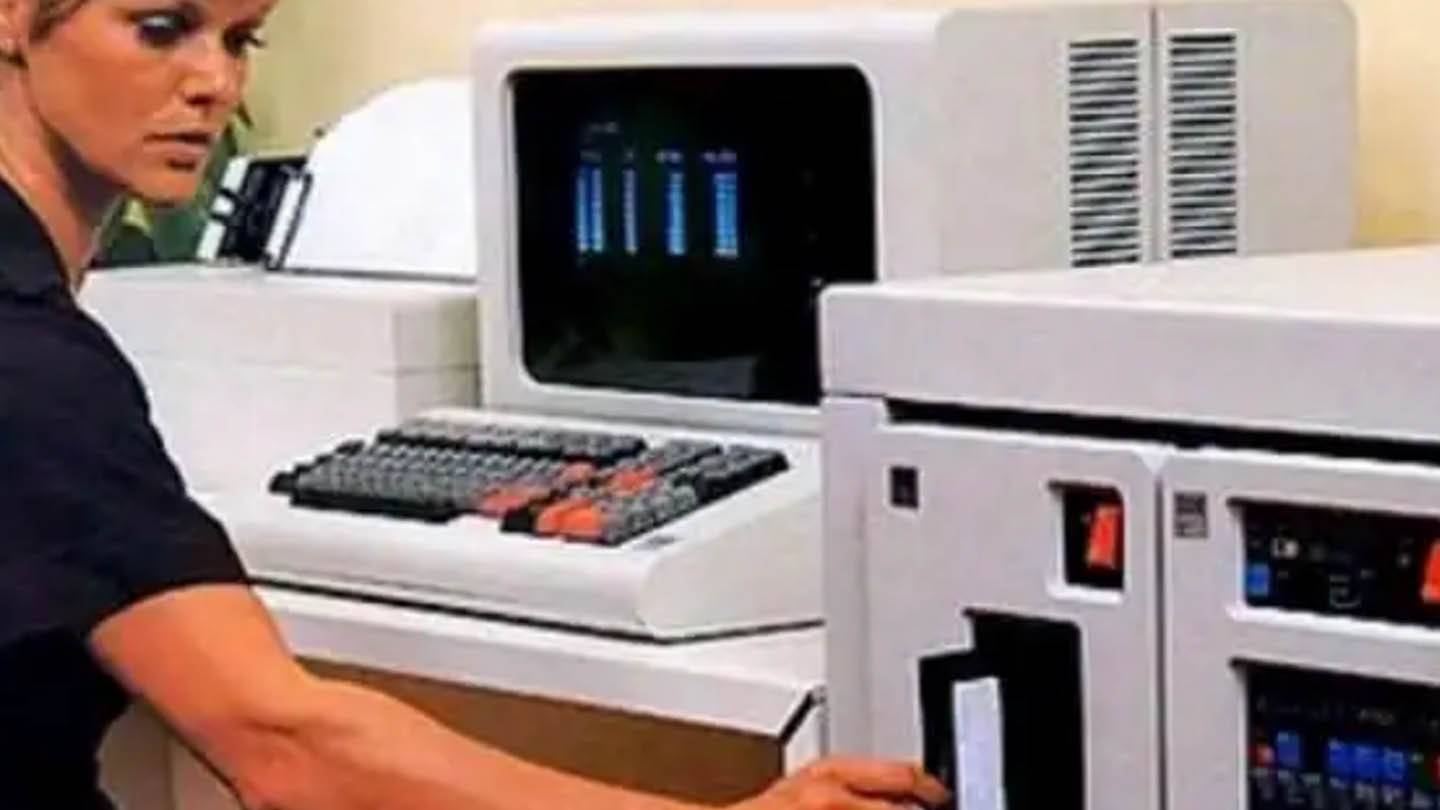 Image: x.com
The United States manages part of its nuclear arsenal using an IBM computer from 1976, relying on 8-inch floppy disks (about 80 KB of data – less than your average instant message!). Modernization plans exist, but the current system's reliability keeps it in place.
Similarly, Germany's navy uses 8-inch floppy disks on its Brandenburg-class frigates. Built in the 1990s, these ships rely on this outdated storage. Upgrades are underway (floppy disk emulators!), but nostalgia seems to play a role in keeping the original system running.
Windows XP Powers Multi-Billion Dollar Aircraft Carrier
 Image: x.com
The British aircraft carrier HMS Queen Elizabeth, costing billions, runs on Windows XP – support ended in 2014! The Royal Navy assures us security measures are in place, but this reliance on outdated software is certainly eyebrow-raising.
Britain's Vanguard-class submarines (Victorious, Vigilant, and Vengeance) also use Windows XP for intercontinental missile management. These systems are offline for security, with no planned updates until 2028.
Critical Airport Infrastructure Fails Due to Legacy Software
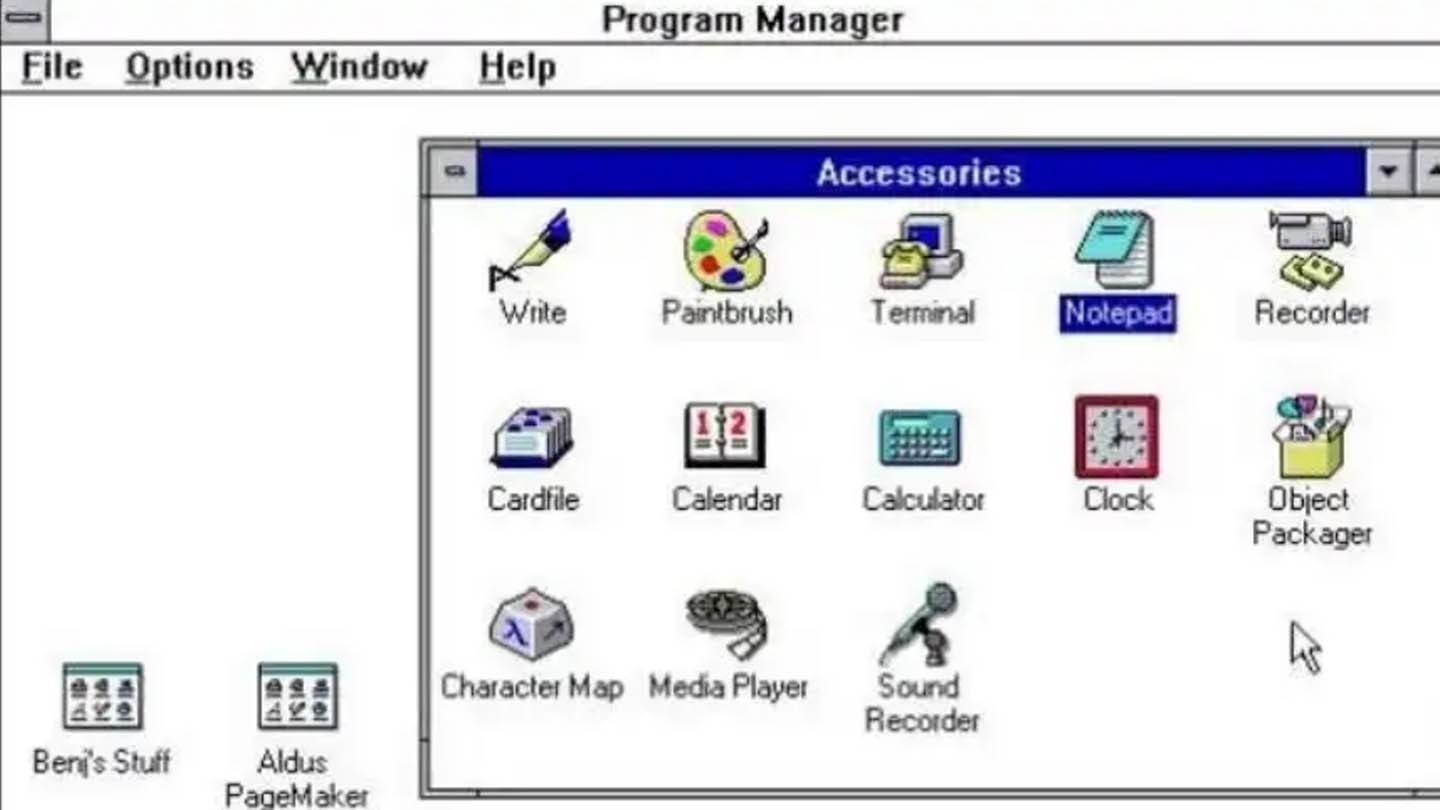 Image: x.com
In 2015, Paris Orly Airport experienced a failure when a computer running Windows 3.1 (1992!) crashed. The DECOR software (providing pilots with weather data) stopped working, causing flight suspensions. Some joked the computer just wanted a Windows 95 upgrade.
Classic Hardware Used for Cutting-Edge Research
While not explicitly mentioned in the original text, retro computers like the Commodore 64 are used in education to teach programming basics and simulate simple physics experiments. Their simplicity makes them ideal for understanding fundamental computing principles.
Nostalgia Keeps Old Systems Alive
Beyond practical uses, many organizations keep legacy systems out of habit or nostalgia. Maintaining compatibility with existing workflows or avoiding costly upgrades keeps these familiar tools around.
These examples show how outdated technology continues to serve critical functions across many industries. From gaming consoles mining cryptocurrency to old computers guiding global defense systems, legacy tech is surprisingly resilient. Upgrades will eventually replace them, but these devices remind us of the enduring value of simplicity and reliability.