 Valve developer Pierre-Loup Griffais recently clarified that SteamOS isn't designed to replace Windows. This article explores Valve's perspective and the implications for the gaming market.
Valve's SteamOS: Not a Windows Killer
SteamOS's True Purpose
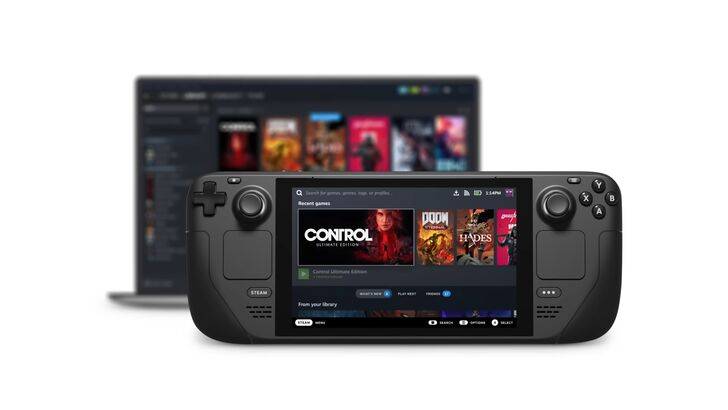 In a January 9, 2025 interview with Frandroid, Griffais dispelled the notion of SteamOS as a Windows replacement. The question arose in the context of Gabe Newell's 2012 criticism of Windows 8. Griffais stated that SteamOS aims to offer a distinct alternative, prioritizing different goals and features. The goal isn't market share dominance or to displace Windows users who are satisfied with their current experience; rather, it's about providing choice.
The expansion of SteamOS to PCs and handheld devices offers gamers more options, particularly those prioritizing seamless access to Steam's extensive game library.
Lenovo's SteamOS Handheld: A New Contender
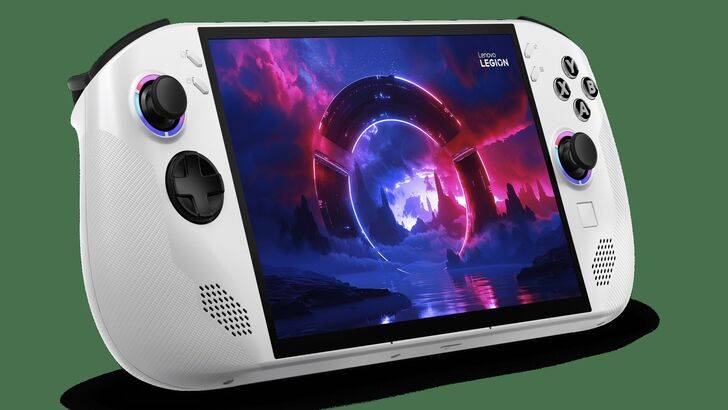 Microsoft's Windows operating system continues its reign over the PC market, with Windows 11 as its latest iteration. However, Lenovo's recent unveiling of the Legion GO S handheld, powered by SteamOS at CES 2025, represents a significant step for SteamOS. This marks the first time SteamOS, initially launched with the Steam Deck, appears on a different device. While not yet a direct competitor to Windows in the broader market, Griffais hinted at future expansion and development. This potential growth could significantly impact Microsoft's market position.
Microsoft's Counter-Strategy: Blending Xbox and Windows
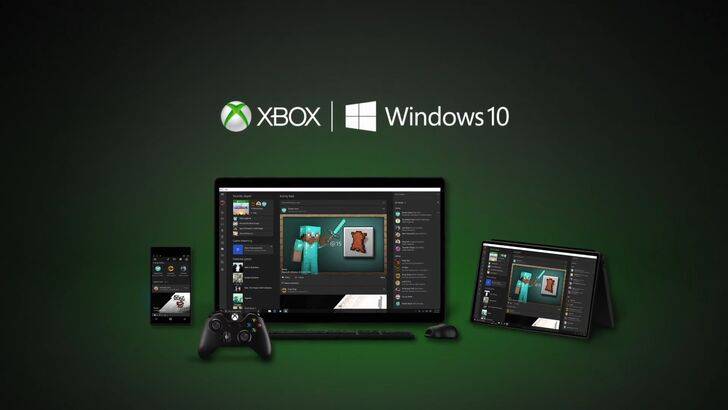 Microsoft's response to the growing popularity of SteamOS and handheld gaming devices, exemplified by the Switch and Steam Deck, involves integrating the strengths of Xbox and Windows. Microsoft's VP of "Next Generation," Jason Ronald, emphasized a player-centric approach, focusing on user experience and library access. Details regarding Microsoft's handheld device strategy remain scarce, as development is ongoing. For more information on Microsoft's plans, refer to our related news article.