The Supreme Court's rejection of TikTok's appeal paves the way for a potential ban on the platform in the U.S., slated for Sunday, January 19th. The court unanimously dismissed TikTok's First Amendment challenge, citing the platform's scale, susceptibility to foreign control, and extensive data collection as justifying the government's national security concerns.
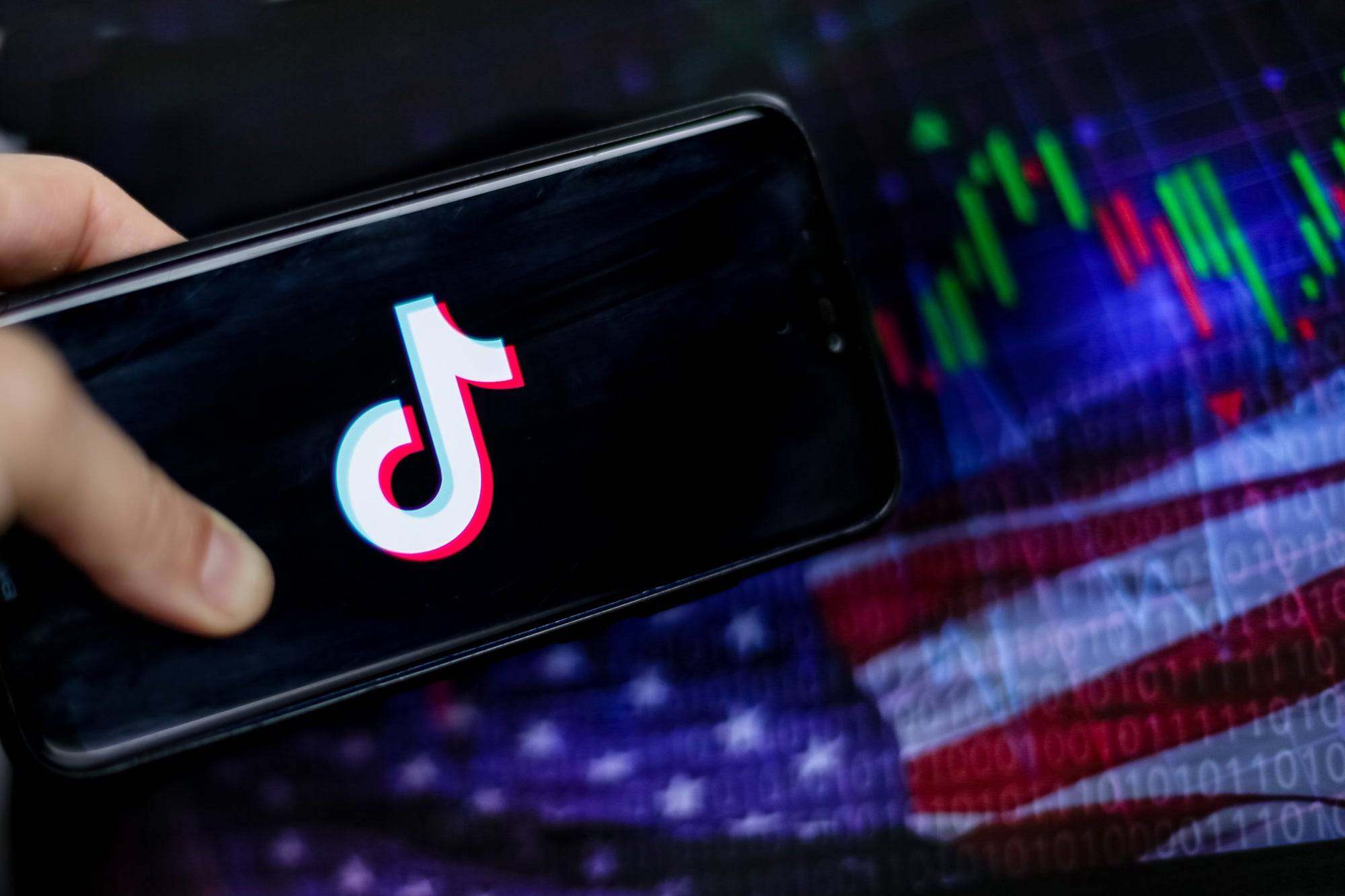
Without political intervention, TikTok will be effectively shut down on Sunday. While President Biden has expressed a preference for TikTok's continued operation under American ownership, the implementation of any such solution falls to the incoming Trump administration, sworn in on Monday. The Supreme Court's ruling explicitly acknowledges TikTok's importance to its users but upholds the ban as necessary to address national security concerns.
Trump, who has previously opposed a complete ban, might issue an executive order delaying enforcement for 60-90 days. He has reportedly engaged in discussions with Chairman Xi Jinping regarding the matter. The possibility of China selling TikTok to a Western entity remains uncertain, although reports suggest this is being considered. Elon Musk, involved with the incoming administration, is reportedly acting as a potential intermediary for interested buyers, or may even attempt a purchase himself.
In anticipation of the ban, users have migrated to alternative platforms, notably the Chinese app Red Note (Xiaohongshu). Reuters reports a surge of over 700,000 new users in just two days.
TikTok's future in the U.S. hinges on either a successful sale or a last-minute executive order from the Trump administration.