
Civilization leaders are as iconic as the civilizations themselves. Firaxis' approach to choosing each nation's representative has evolved significantly over the years. Let's explore Civilization VII's roster and how it redefines leadership.
← Return to Sid Meier's Civilization VII main article
Civ VII Redefines What it Means to Be a Leader
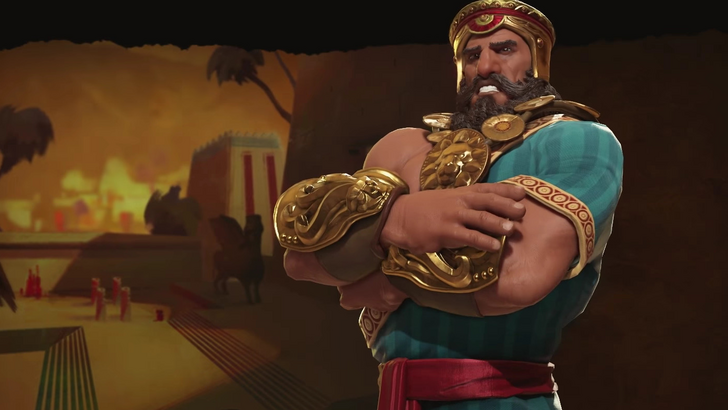
Civilization leaders have been integral to the series' identity since the first game. Each leader embodies their civilization, making them as vital as the civilization itself. While their role remains constant, the types of leaders and their impact have diversified across each installment, refining the very definition of leadership within the game.
This exploration delves into Civilization's history, examining the evolution of its leader roster, the changes in each iteration, and how Civilization VII uniquely redefines leadership.
Early Civilization: A Club of Superpowers
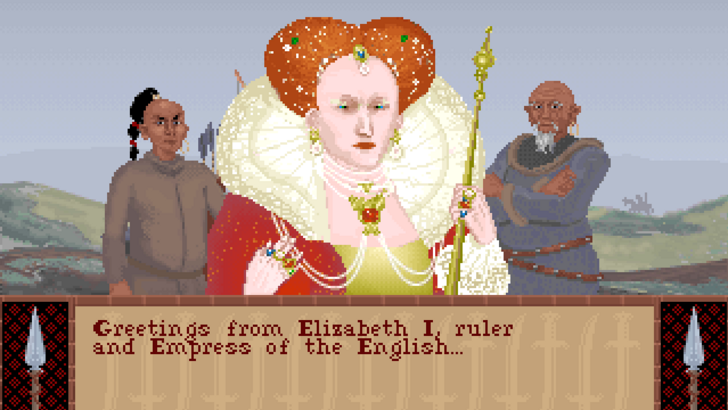
The original Civilization featured a simpler roster compared to later games. Most were established global superpowers or figures from antiquity. With limited scope and technology, the game included 15 civilizations, featuring America, Rome, Greece, Japan, China, France, Egypt, and Russia, among others. Leadership was straightforward; leaders were historical heads of state. The selection prioritized widely recognized figures.
This resulted in leaders like Abraham Lincoln, Tokugawa Ieyasu, Mahatma Gandhi, and Julius Caesar—alongside more controversial choices like Mao Zedong and Joseph Stalin. Elizabeth I was the sole female leader. It was a direct, almost textbook approach, understandable given the era. However, the series evolved, beginning with Civilization II.
Civilization II Through V: Increasing Diversity and Creativity
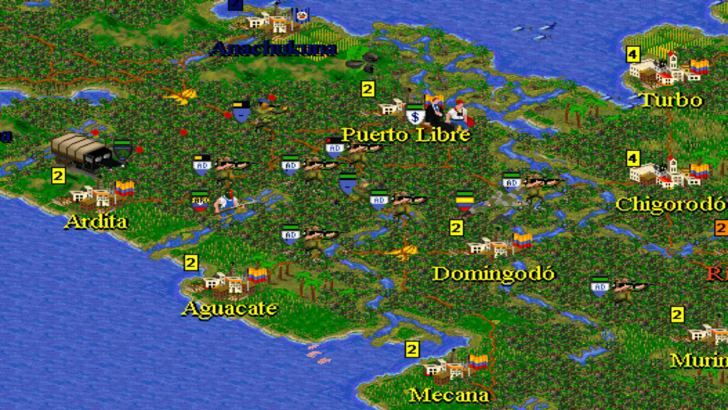
Civilization II expanded both the leader roster and civilizations. Lesser-known powers like the Sioux debuted alongside more superpowers. Significantly, Civ II introduced a separate female leader roster, offering both male and female leaders for each civilization.
The definition of "leader" broadened. Figures pivotal to their civilization's identity, even if not heads of state, took center stage. Examples include Sacagawea (Sioux) and Amaterasu (Japan).
Civ III integrated more female leaders into the main roster, with six in total, sometimes replacing historically dominant male counterparts (e.g., Joan of Arc replacing Napoleon).
By Civ IV and V, both the roster size and the definition of leadership expanded further. Leaders encompassed revolutionaries, generals, reformers, and even consorts. Traditional figures were replaced or doubled, showcasing Wu Zetian (China) and both Victoria I and Elizabeth I (England). Civilization's narrative broadened beyond just the powerful and famous, encompassing a wider representation of humanity.
Civilization VI: A More Spirited Roster
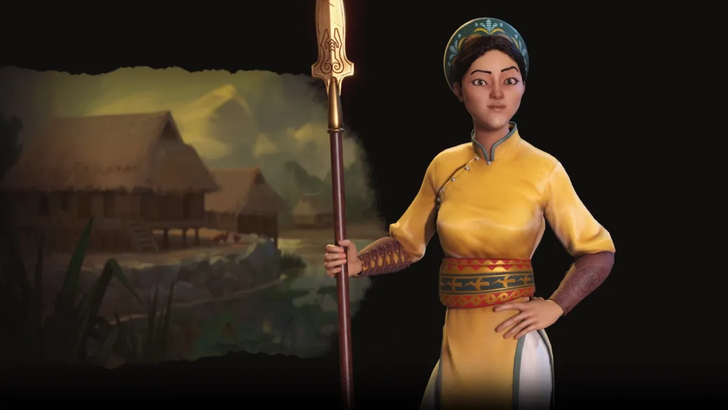
Civilization VI saw a flourishing of characterization, diversity, and creativity, presenting leaders as stylized animated caricatures. Leader Personas—alternative versions emphasizing different aspects of a leader's personality—offered diverse playstyles. Lesser-known figures from less prominent civilizations emerged.
Lautaro (Mapuche), Bà Triệu (Vietnam), and Queen Gorgo (Sparta) are prime examples. Leaders were no longer defined by their entire legacies but by specific chapters of their lives, paving the way for Civ VII's approach. Eleanor of Aquitaine (France/England) and Kublai Khan (Mongols/China) embodied this, followed by civilizations with multiple leader options (e.g., America, China). Leader Personas further diversified the roster (Catherine de Medici, Theodore Roosevelt, etc.).
Civilization VII: Fresh Faces and Unique Leaders
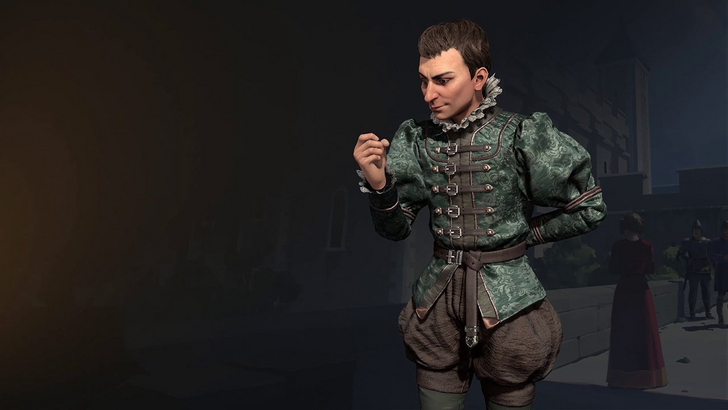
Civilization VII showcases the most diverse and creative roster yet. It features unconventional leaders, multiple personas, and carefully curated selections for diverse playstyles. The mix-and-match approach to civilizations and leaders allows lesser-known figures to take center stage.
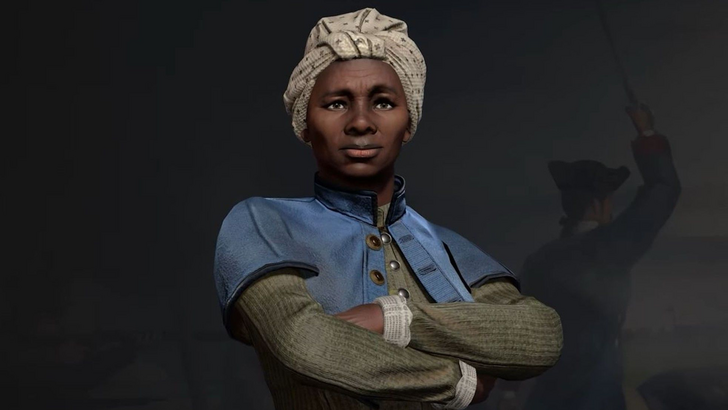
Harriet Tubman, the American abolitionist, is a notable example, filling a unique spymaster role. Niccolò Machiavelli, despite not being a head of state, embodies his diplomatic works. José Rizal of the Philippines represents his nation with a focus on diplomacy and narrative events.
Over nearly 30 years, Civilization's focus has shifted from superpowers to a diverse collection of influential figures, telling a richer story of humanity. The definition of leadership has evolved dramatically, but its significance remains unwavering.
← Return to Sid Meier's Civilization VII main article
Sid Meier's Civilization VII Similar Games