Minecraft: From Humble Beginnings to Global Phenomenon
Minecraft's journey to becoming a globally recognized video game is a fascinating tale of innovation and community building. This article delves into the history of Minecraft, tracing its evolution from a single programmer's vision to a cultural icon that reshaped the gaming landscape.
Table of Contents
- Initial Concept and Development
- Building a Dedicated Community
- Official Launch and Worldwide Success
- Minecraft Versions Across Platforms
Initial Concept and Development
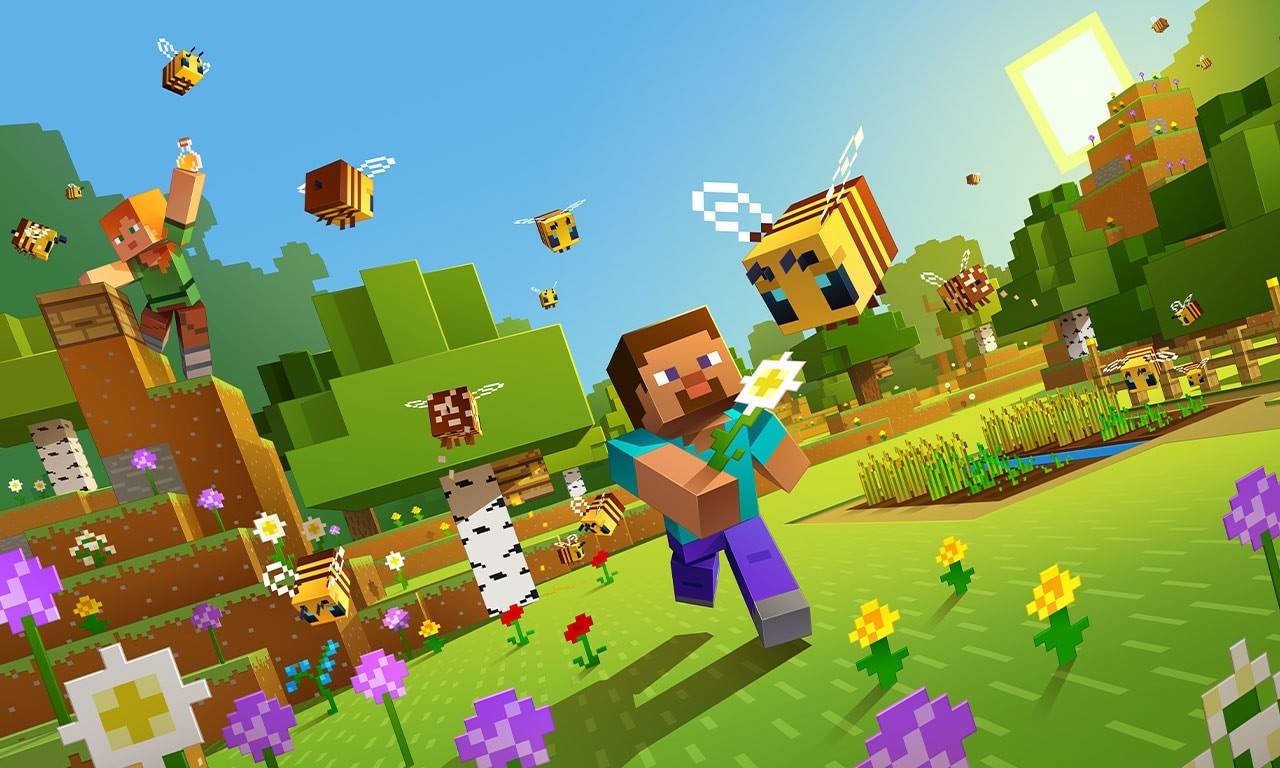 Image: apkpure.cfd
Markus Persson ("Notch"), a Swedish programmer, conceived Minecraft, drawing inspiration from games like Dwarf Fortress, Dungeon Keeper, and Infiniminer. His goal was to create a game emphasizing freedom of building and exploration. The alpha version debuted on May 17, 2009, a lightweight pixelated sandbox developed during Notch's downtime from his work at King.com. Its intuitive building mechanics instantly captivated players.
Building a Dedicated Community
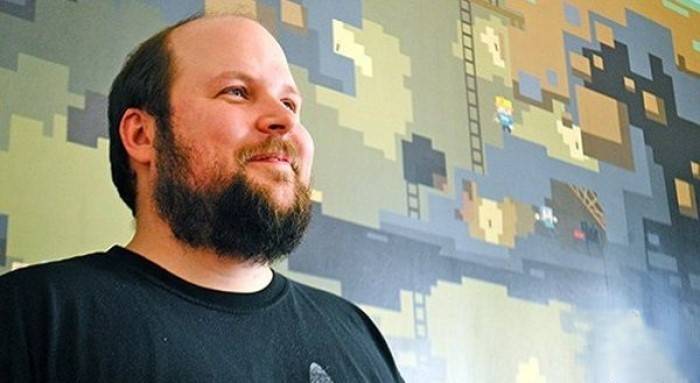 Image: miastogier.pl
Word-of-mouth and online player discussions fueled Minecraft's rapid ascent. By 2010, the game transitioned to beta, prompting Persson to establish Mojang Studios to fully dedicate himself to its development. The game's unique concept and limitless creative potential resonated deeply with players, who constructed everything from personal homes to replicas of famous landmarks and entire cities. A pivotal update introduced Redstone, a game-changing material enabling the creation of intricate mechanisms.
Official Launch and Worldwide Success
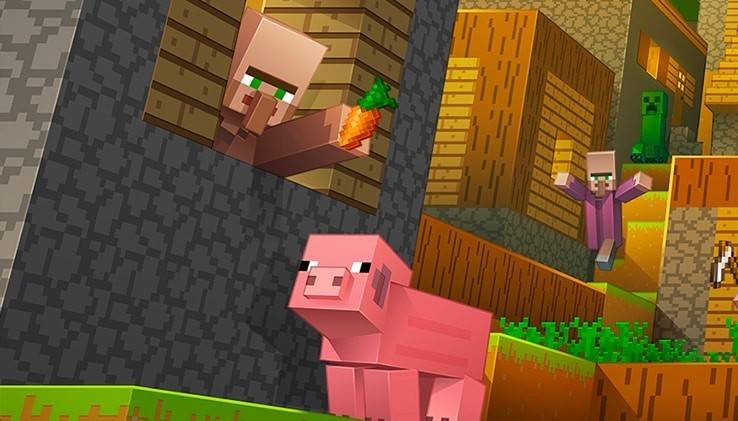 Image: minecraft.net
Minecraft's official 1.0 release on November 18, 2011, solidified its position as a gaming powerhouse. Millions of players were already engaged, forming one of the largest and most active gaming communities globally. Players generated countless modifications, maps, and even educational projects. Mojang's expansion onto consoles like Xbox 360 and PlayStation 3 in 2012 further broadened its appeal, attracting a vast audience of children and teenagers who embraced its blend of entertainment and educational possibilities.
Minecraft Versions Across Platforms
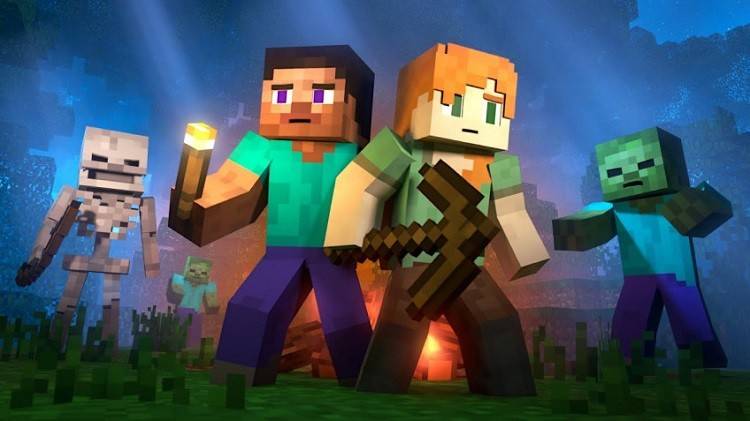 Image: aparat.com
The following table summarizes key Minecraft versions released after the official launch:
| Version Name | Description |
| Minecraft Classic | The original free version. |
| Minecraft: Java Edition | Initially lacked cross-platform play; later integrated with Bedrock Edition on PC. |
| Minecraft: Bedrock Edition | Enabled cross-platform play across Bedrock versions; PC version includes Java. |
| Minecraft mobile | Cross-platform compatible with other Bedrock versions. |
| Minecraft for Chromebook | Chromebook-specific version. |
| Minecraft for Nintendo Switch | Includes the Super Mario Mash-up pack. |
| Minecraft for PlayStation | Cross-platform compatible with other Bedrock versions. |
| Minecraft for Xbox One | Partially Bedrock; updates discontinued. |
| Minecraft for Xbox 360 | Support ended after the Aquatic Update. |
| Minecraft for PS4 | Partially Bedrock; updates discontinued. |
| Minecraft for PS3 | Support discontinued. |
| Minecraft for PlayStation Vita | Support discontinued. |
| Minecraft for Wii U | Featured off-screen play. |
| Minecraft: New Nintendo 3DS Edition | Support discontinued. |
| Minecraft for China | China-exclusive version. |
| Minecraft Education | Educational version used in schools and educational settings. |
| Minecraft: PI Edition | Educational version for Raspberry Pi. |
Minecraft's enduring legacy extends far beyond the game itself. It has fostered vibrant communities, spawned countless YouTube channels and merchandise, and even inspired official competitions. With ongoing updates introducing new biomes, characters, and features, Minecraft continues to thrive as a dynamic and engaging experience.