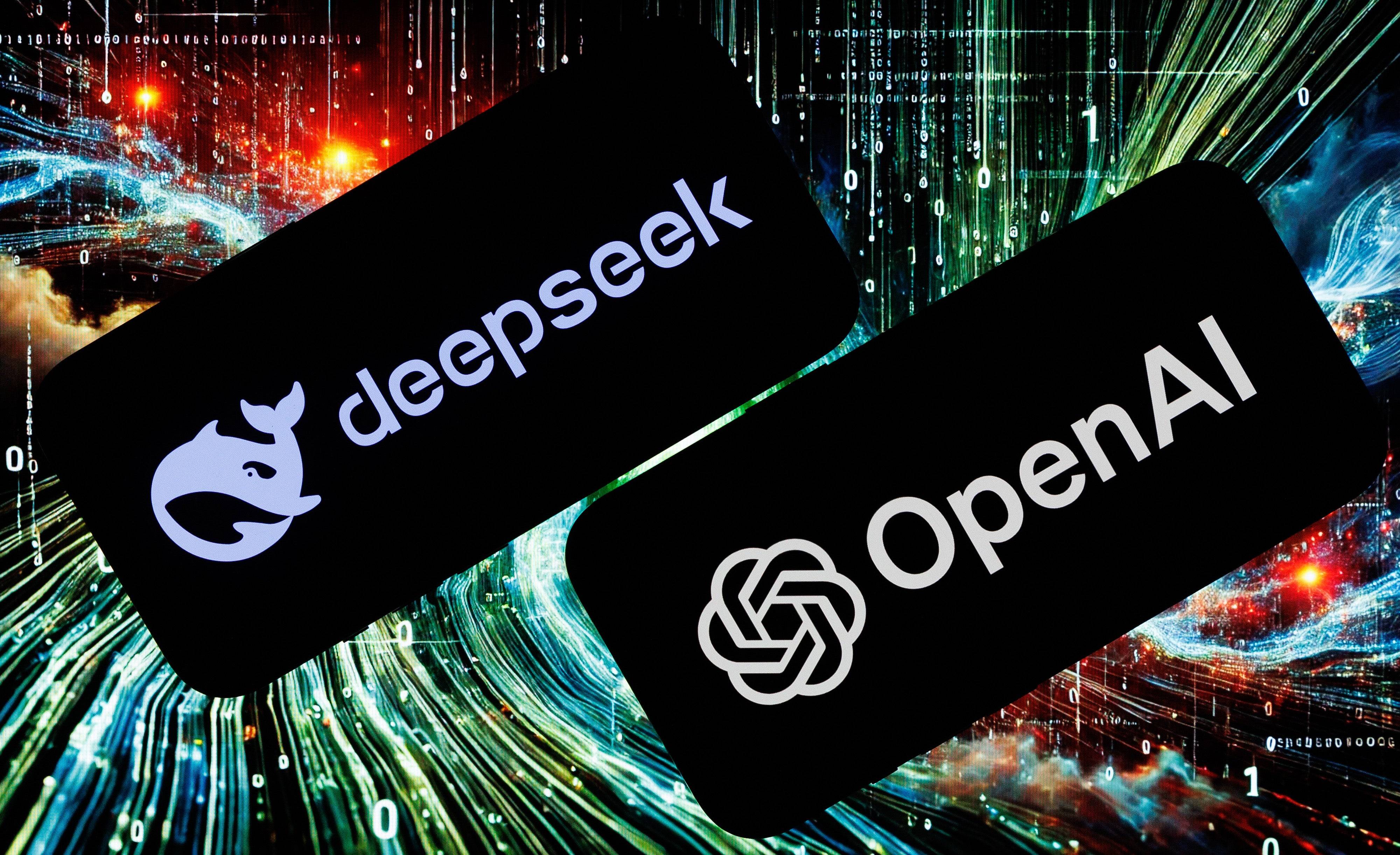
OpenAI suspects China's DeepSeek AI models, significantly cheaper than Western counterparts, may have been trained using OpenAI data. This revelation, coupled with DeepSeek's rapid popularity, triggered a stock market downturn for major AI players. Nvidia experienced its largest single-day loss in history, while Microsoft, Meta, Alphabet, and Dell also suffered significant drops.
DeepSeek's R1 model, based on the open-source DeepSeek-V3, boasts significantly lower training costs (estimated at $6 million) compared to Western models. While this claim is disputed, it highlights the potential cost-effectiveness of alternative AI development, unsettling investors.
OpenAI and Microsoft are investigating whether DeepSeek violated OpenAI's terms of service by employing "distillation," a technique for training AI models using data from larger models. OpenAI confirmed its awareness of such attempts by Chinese and other companies to replicate leading US AI technology and stated it is taking countermeasures to protect its intellectual property. David Sacks, President Donald Trump's AI czar, supports this claim, suggesting that DeepSeek's actions constitute knowledge distillation from OpenAI models.
The situation is further complicated by the irony of OpenAI's accusations, given previous claims that creating AI models like ChatGPT is impossible without using copyrighted material. OpenAI previously argued to the UK's House of Lords that training large language models necessitates access to copyrighted works, a stance echoed in its defense against a lawsuit from the New York Times for "unlawful use" of its content. Similar lawsuits have been filed by authors, highlighting the ongoing debate surrounding copyright and AI training data. The situation is further complicated by a 2018 US Copyright Office ruling that AI-generated art cannot be copyrighted, underscoring the legal complexities surrounding AI development and intellectual property rights.