
The Nvidia GeForce RTX 5090: A Next-Gen Leap Forward, But For Whom?
Nvidia's latest flagship, the RTX 5090, promises a generational leap in PC gaming performance. However, the reality is more nuanced. While raw power is significantly boosted, the practical benefits depend heavily on your gaming setup and tolerance for AI-assisted frame generation.
The RTX 5090's performance gains over its predecessor, the RTX 4090, aren't as dramatic as expected in many games, especially without DLSS Frame Generation. However, DLSS 4, featuring Multi-Frame Generation, dramatically increases frame rates and image quality, offering a truly next-gen experience. This makes the upgrade most appealing to users with high-end 4K displays boasting high refresh rates (240Hz or higher). For those with lower-resolution or refresh-rate monitors, the upgrade may not justify the substantial cost.
Nvidia GeForce RTX 5090 – Image Gallery

 5 Images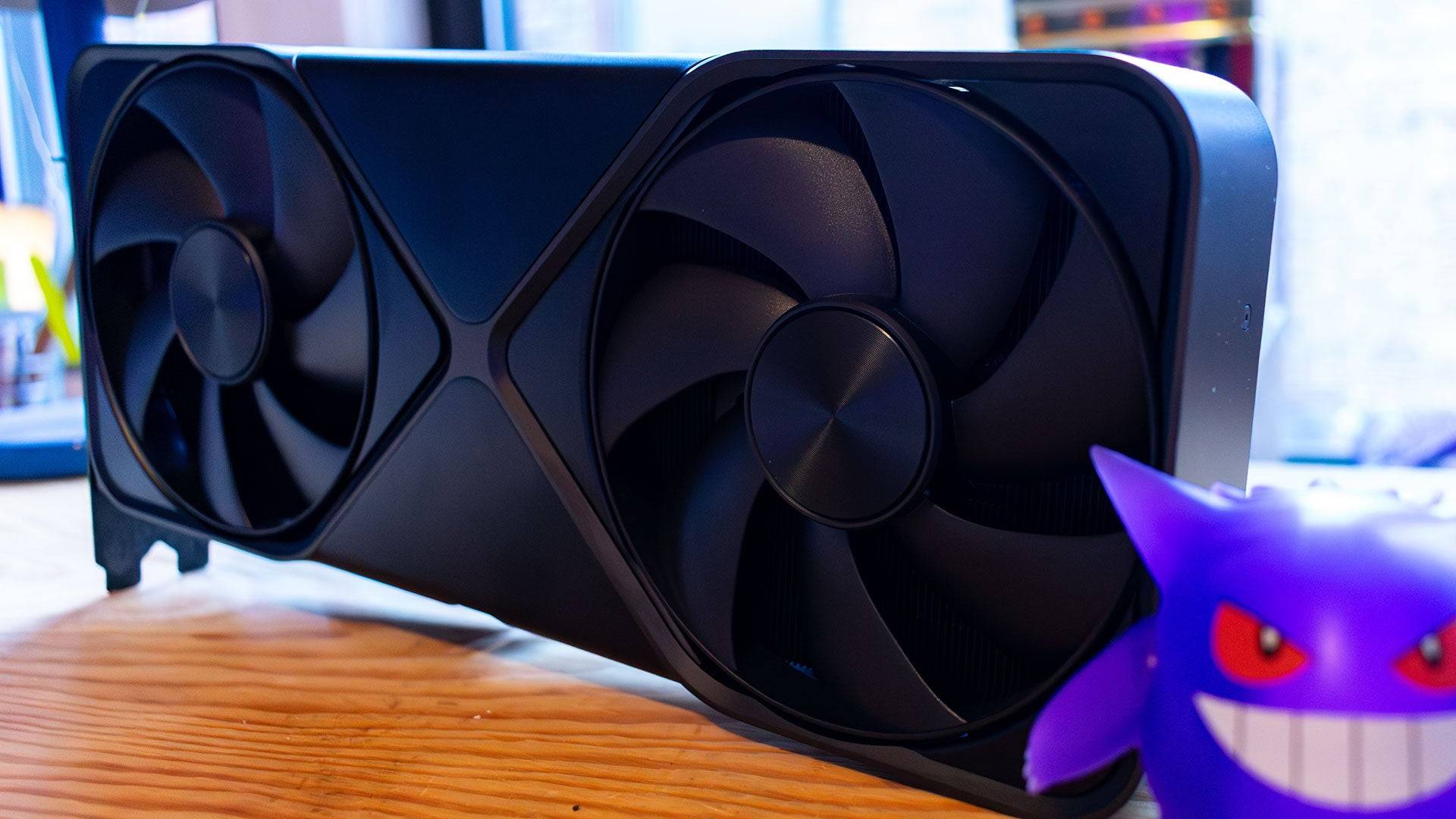


RTX 5090 – Specifications and Features
Built on Nvidia's Blackwell architecture (also powering AI data centers), the RTX 5090 boasts a significant increase in CUDA cores (21,760 vs. 16,384 in the RTX 4090), resulting in a 32% boost in shader cores. Each Streaming Multiprocessor (SM) includes four Tensor Cores and one RT Core, enhancing AI and ray tracing capabilities. The 5th-generation Tensor Cores support FP4 operations, reducing VRAM dependency in AI workloads.
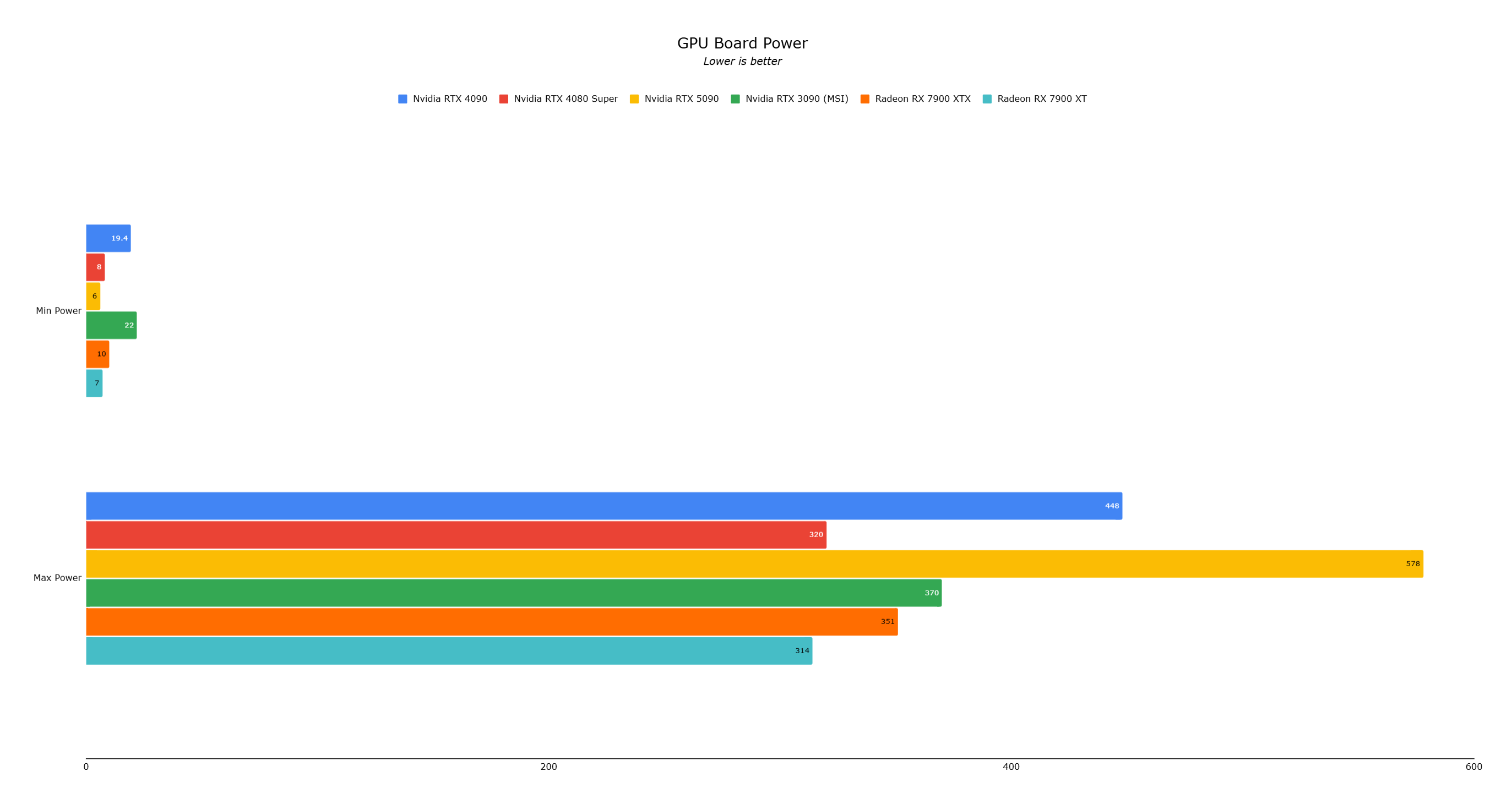
The card utilizes 32GB of GDDR7 VRAM, offering a speed and efficiency upgrade over the RTX 4090's GDDR6X. However, its power consumption (575W) is significantly higher. The shift to a Transformer Neural Network (TNN) for DLSS improves image quality and reduces artifacts.
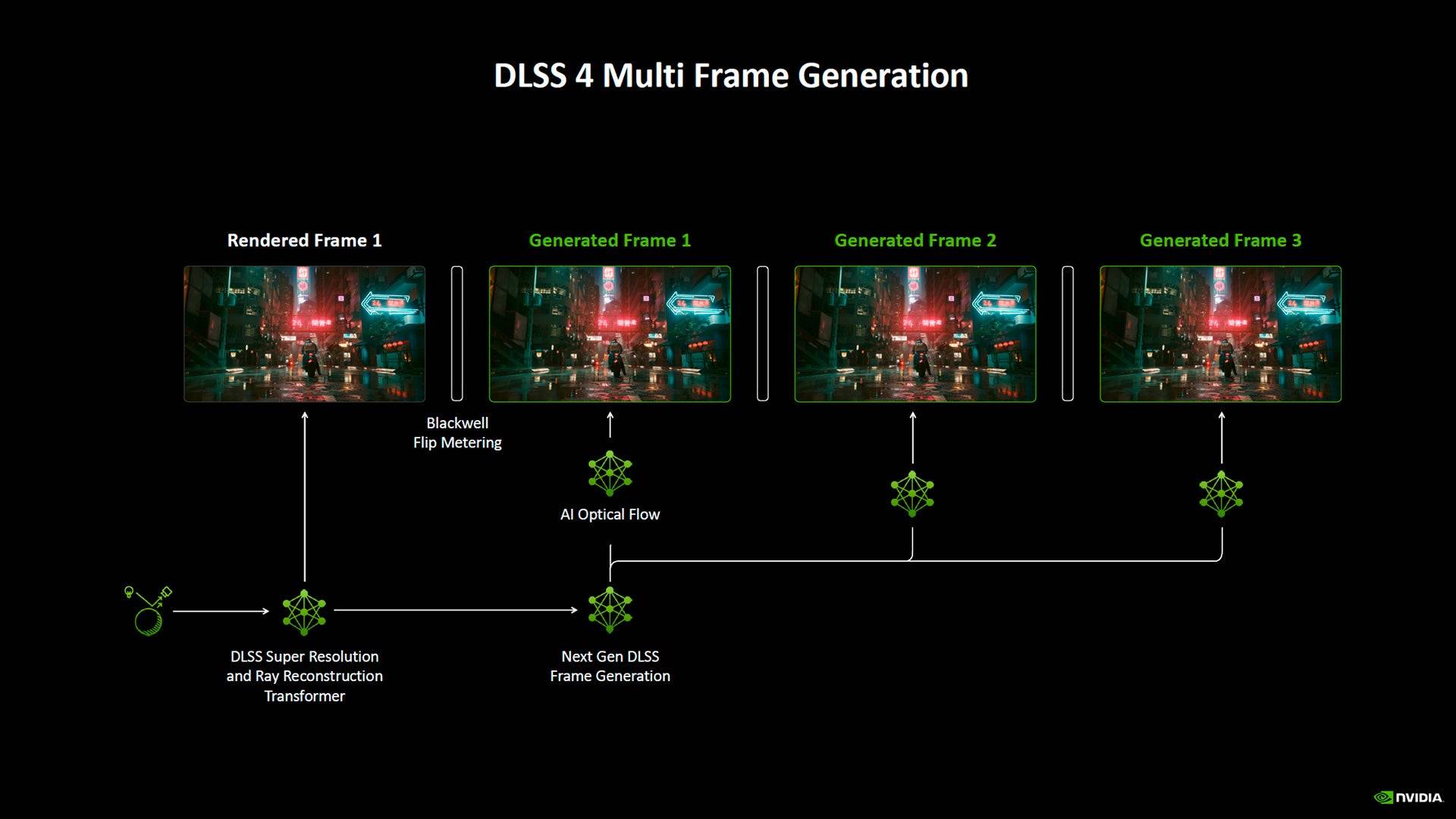
DLSS 4's Multi-Frame Generation builds upon DLSS 3's Frame Generation, generating multiple frames from each rendered image for a substantial frame rate increase. This feature, however, is most effective with already-high frame rates, mirroring the limitations of its predecessor.
Purchasing Guide
The RTX 5090 launched January 30th, with a starting price of $1,999 for the Founders Edition. Third-party models are expected to command higher prices.
Founders Edition
Despite its 575W power draw, the Founders Edition surprisingly features a smaller, dual-slot design with a dual-fan configuration. Temperatures peaked around 86°C during testing, remaining within acceptable limits. Nvidia achieved this through a redesigned PCB placement and cooling system that draws air from the bottom and expels it through the top. The card utilizes a new, angled 12V-2x6 power connector, aiming to address previous connector-related issues. An included adapter converts four 8-pin PCIe power connectors to the required 12V-2x6.
The design aesthetic is similar to previous generations, featuring a silver 'X' design and a white LED-lit 'GeForce RTX' logo. The smaller form factor allows for compatibility with smaller PC cases.
DLSS 4: AI-Powered Frame Generation
DLSS 4's Multi-Frame Generation, enabled by a new AI Management Processor (AMP) core, is significantly faster and more memory-efficient than its predecessor. It generates three AI frames per rendered frame, minimizing latency through a Flip Metering algorithm. This feature is only truly beneficial with a high-end 4K display and a solid baseline frame rate (around 60fps without Frame Gen).
Initial testing with Cyberpunk 2077 and Star Wars Outlaws demonstrated impressive results, achieving frame rates exceeding 280fps in 4K with DLSS 4 enabled. While some minor artifacts were observed, they were largely inconsequential.
RTX 5090 – Performance Benchmarks
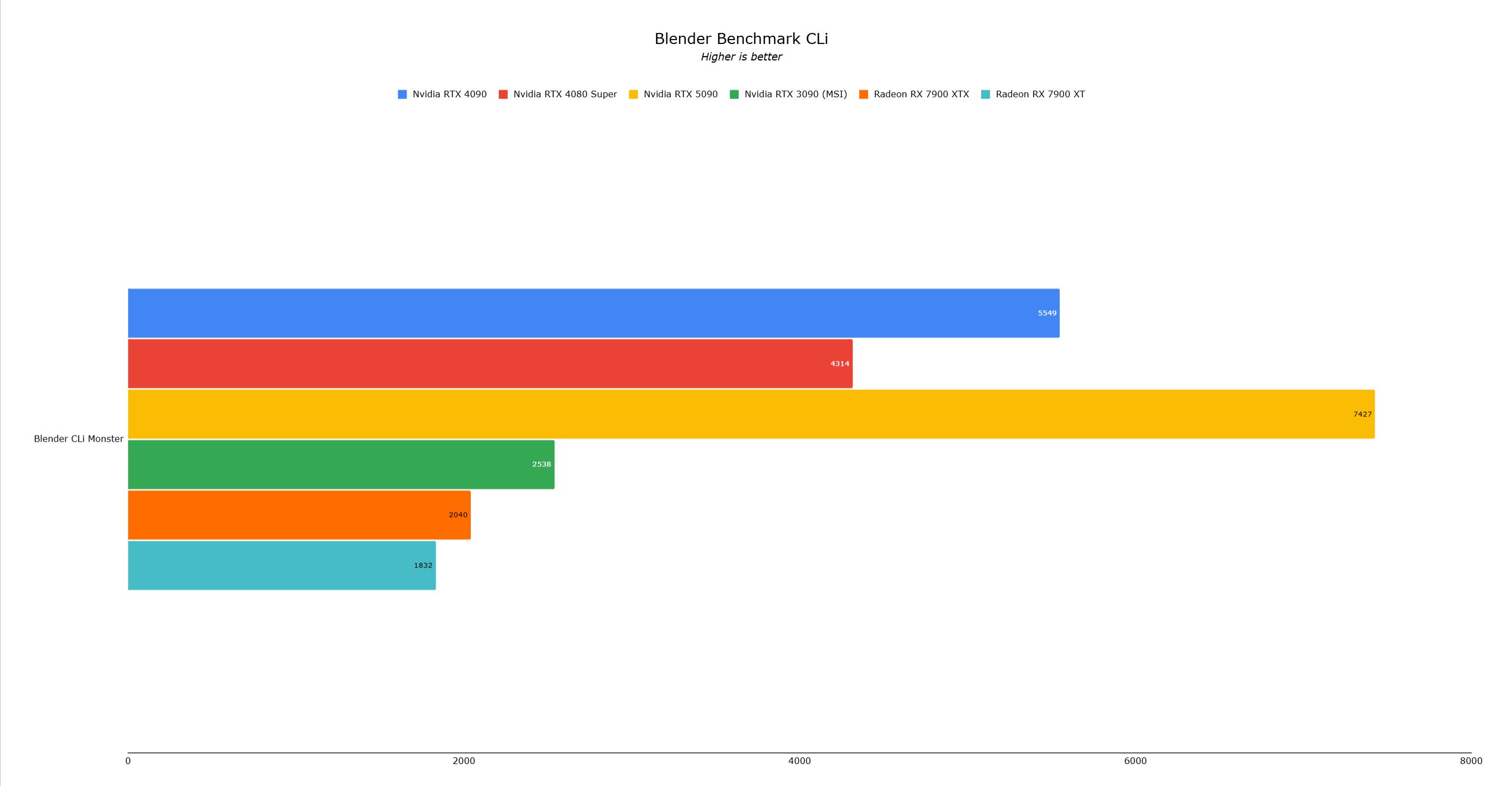
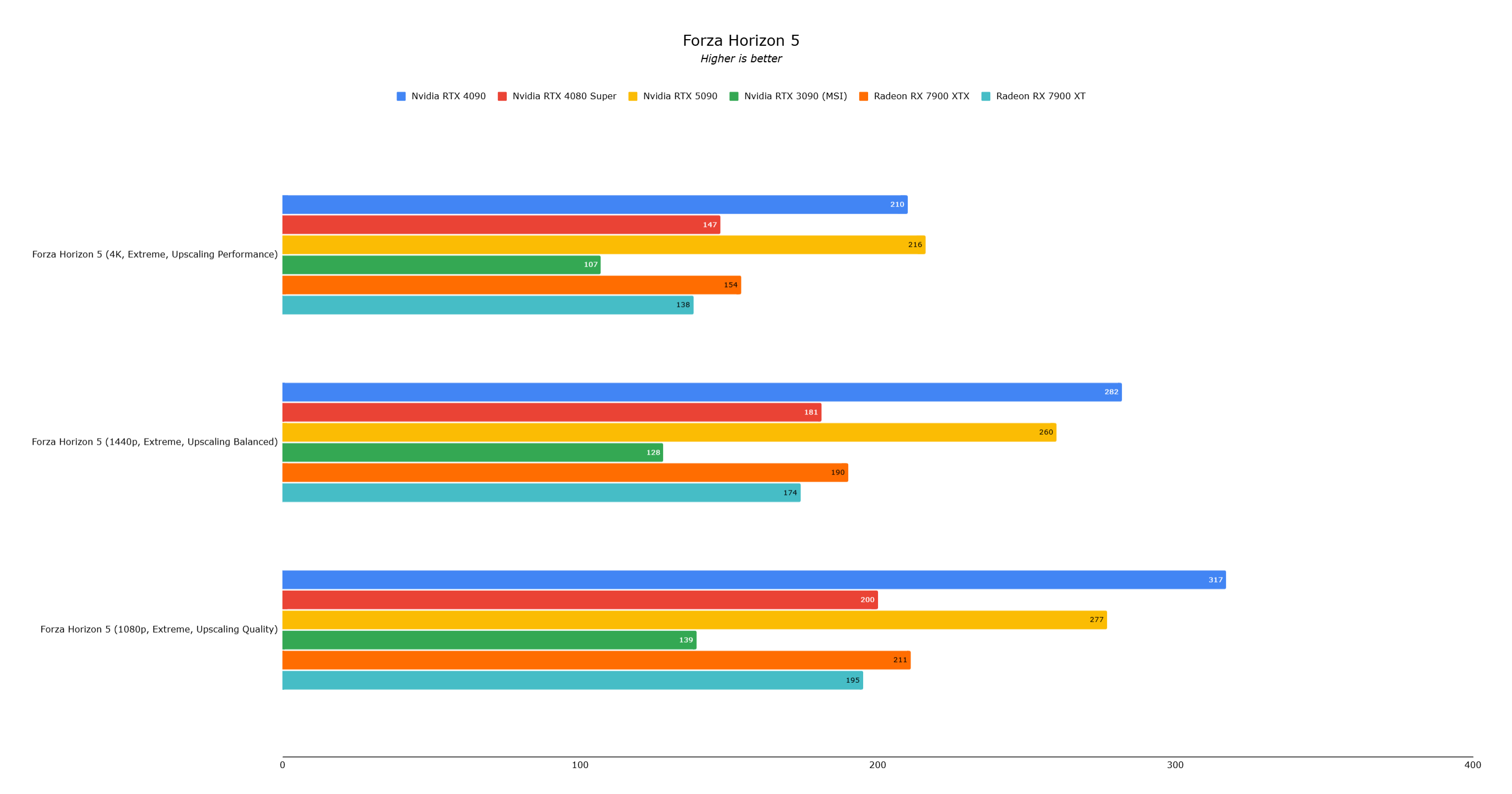
Benchmarking revealed a generational leap in raw performance compared to the RTX 4090 in 3DMark, showing up to a 42% improvement. However, real-world gaming performance showed a more limited advantage, often bottlenecked by the CPU even at 4K resolution, even when paired with a high-end Ryzen 7 9800X3D processor. This suggests that the full potential of the RTX 5090 isn't yet realized in current game titles. The upgrade offers less value for users already owning a high-end GPU.
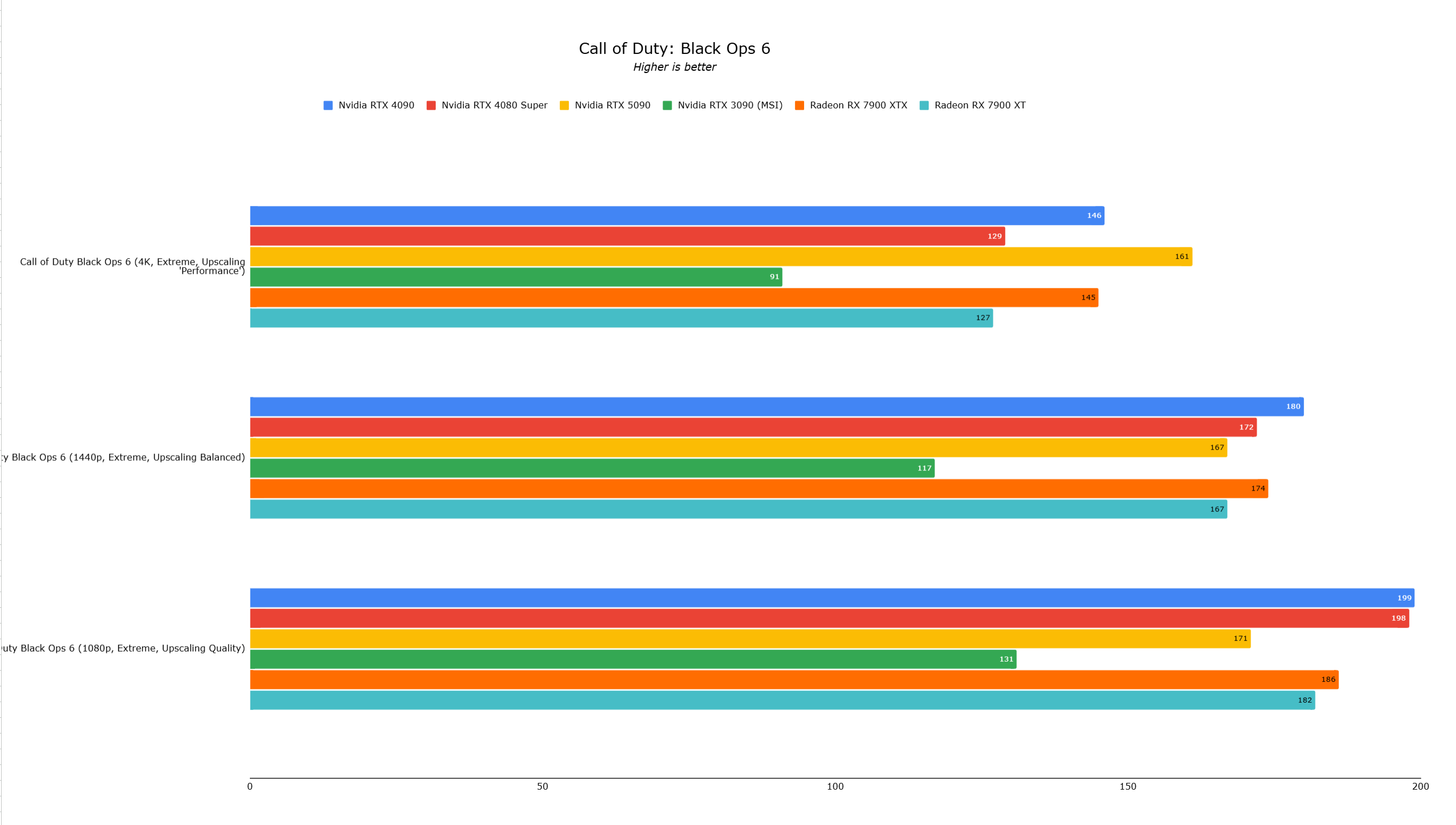
The following benchmarks were conducted without DLSS 4 enabled, using public drivers (Nvidia Driver version 566.36 and AMD Adrenalin 24.12.1).
Test System:
- CPU: AMD Ryzen 7 9800X3D
- Motherboard: Asus ROG Crosshair X870E Hero
- RAM: 32GB G.Skill Trident Z5 Neo @ 6,000MHz
- SSD: 4TB Samsung 990 Pro
- CPU Cooler: Asus ROG Ryujin III 360
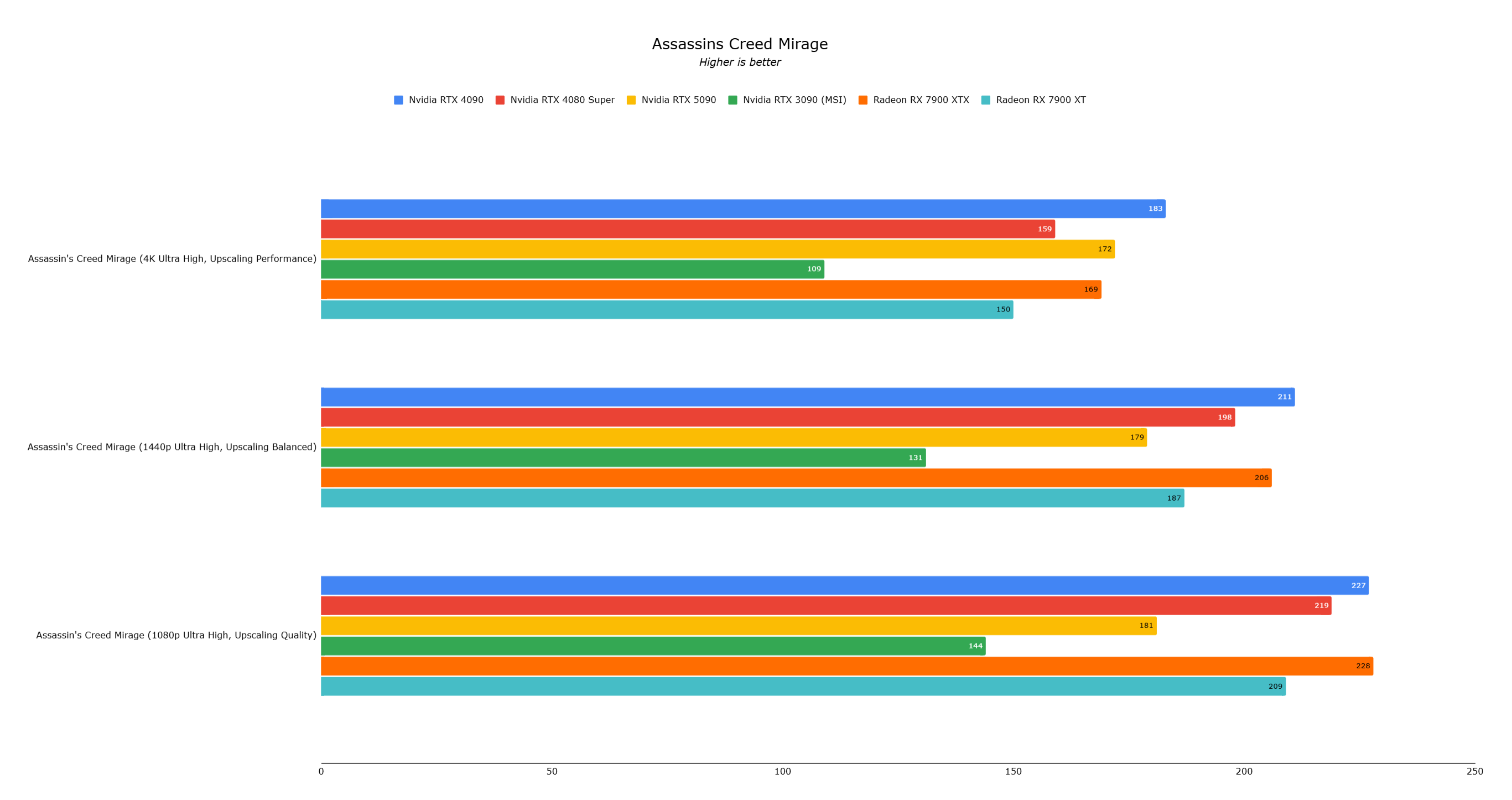
Game benchmarks showed varying degrees of improvement over the RTX 4090, ranging from negligible gains in some titles to a more substantial 20-35% increase in others. One notable outlier was Assassin's Creed Mirage, which experienced unexpected performance issues likely attributable to a driver bug.
 14 Images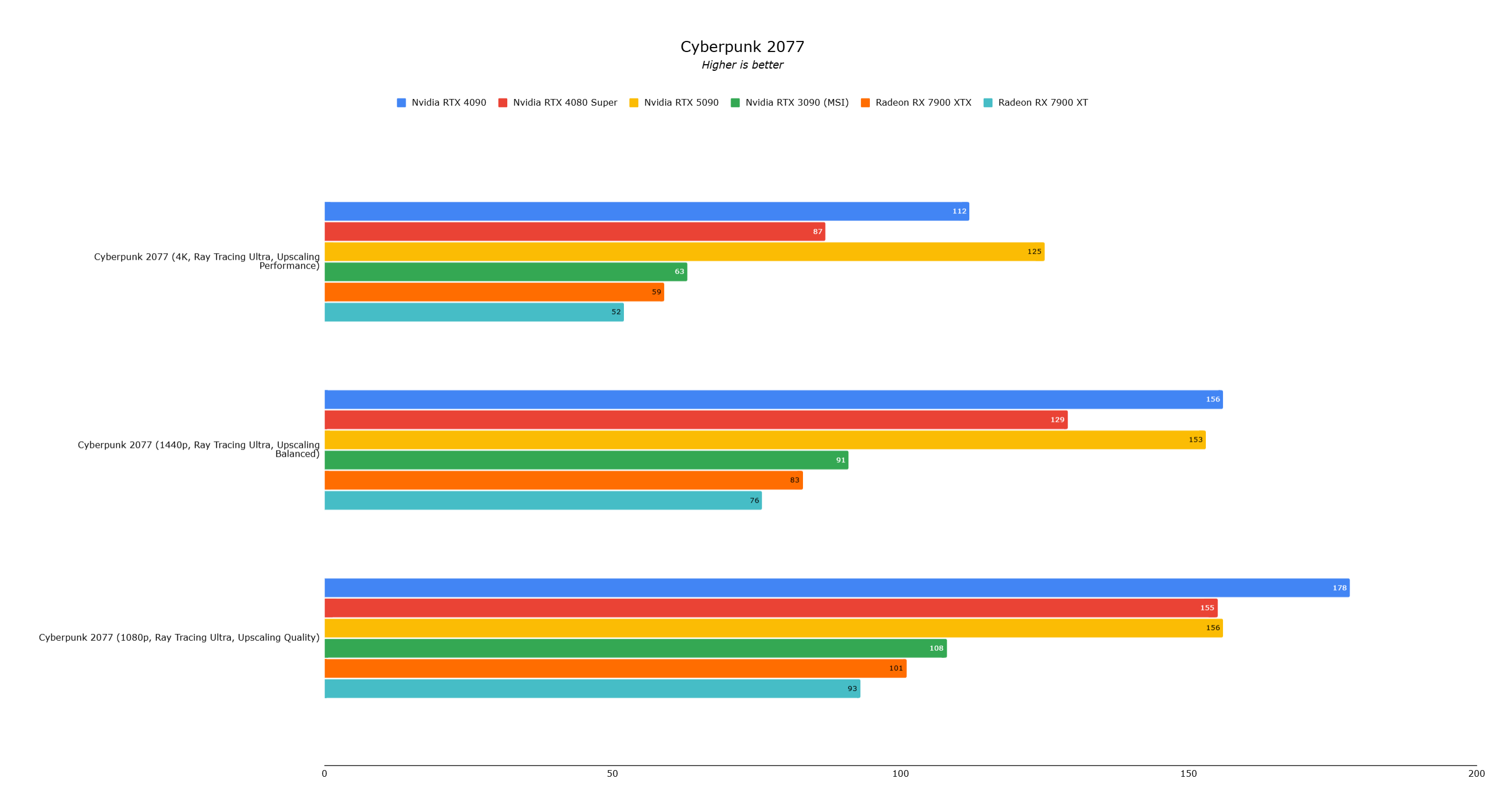
Which Graphics Card Are You Planning To Buy?
Conclusion:
The RTX 5090 is undeniably powerful, currently holding the title of fastest consumer graphics card. However, its performance gains over the RTX 4090 are less pronounced than anticipated in many games due to CPU bottlenecks. Its true strength lies in DLSS 4's Multi-Frame Generation, offering a significant frame rate boost for those with high-end displays. The upgrade is a worthwhile investment for cutting-edge gamers willing to bet on the future of AI-enhanced gaming, but for most others, the RTX 4090 remains a potent and cost-effective option.