An indie developer with experience creating games for the original Nintendo Switch has analyzed why the brief glimpse of Mario Kart 9 suggests substantial power improvements in the Switch 2.
Last week's Nintendo Switch 2 hardware reveal impressed many, though Nintendo remained notably silent about its technical specifications. While upgrades like redesigned Joy-Cons and a larger form factor were visible, official details about the console's performance remain unconfirmed.
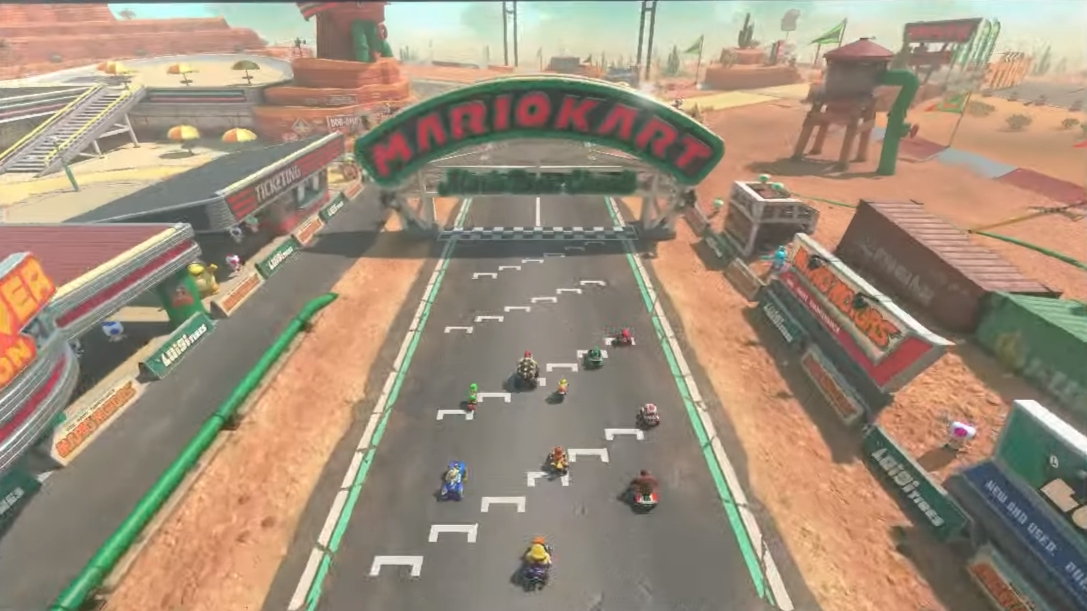
Could the Mario Kart 9 footage in the reveal video offer clues? In a YouTube analysis shared by GamesRadar, Sungrand Studios developer Jerrel Dulay—known for his work on Wii U and 3DS titles—predicts significant performance gains over the original Switch.
Mario Kart 9 - First Look
25 Images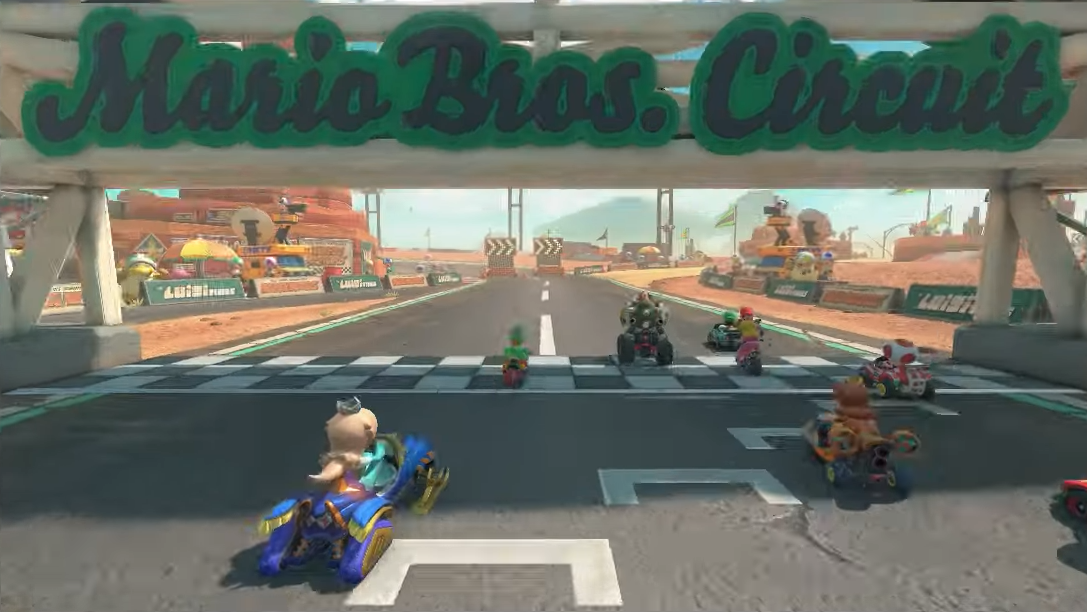
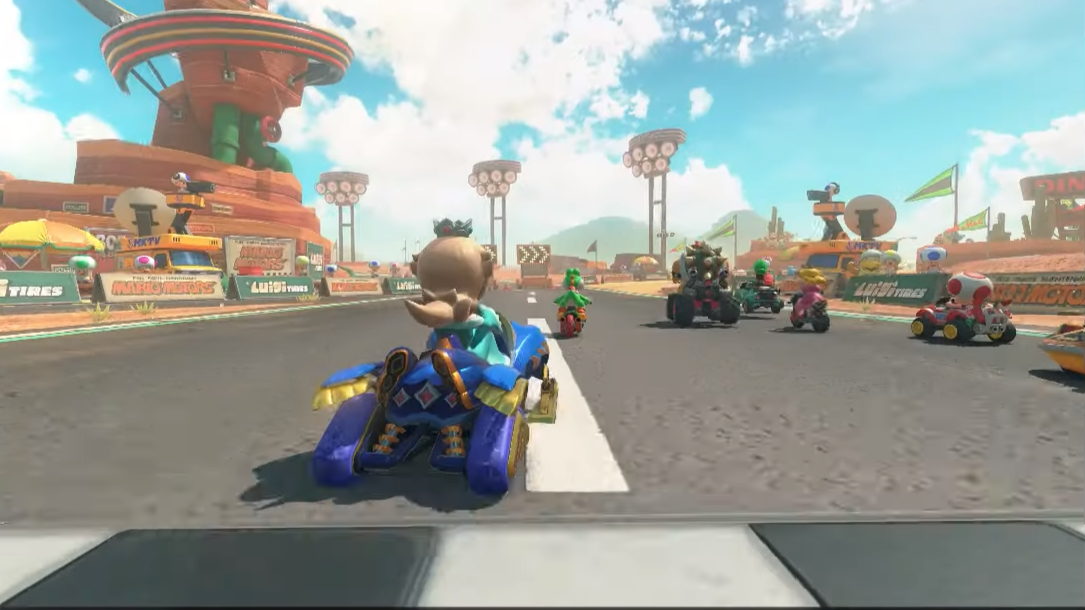
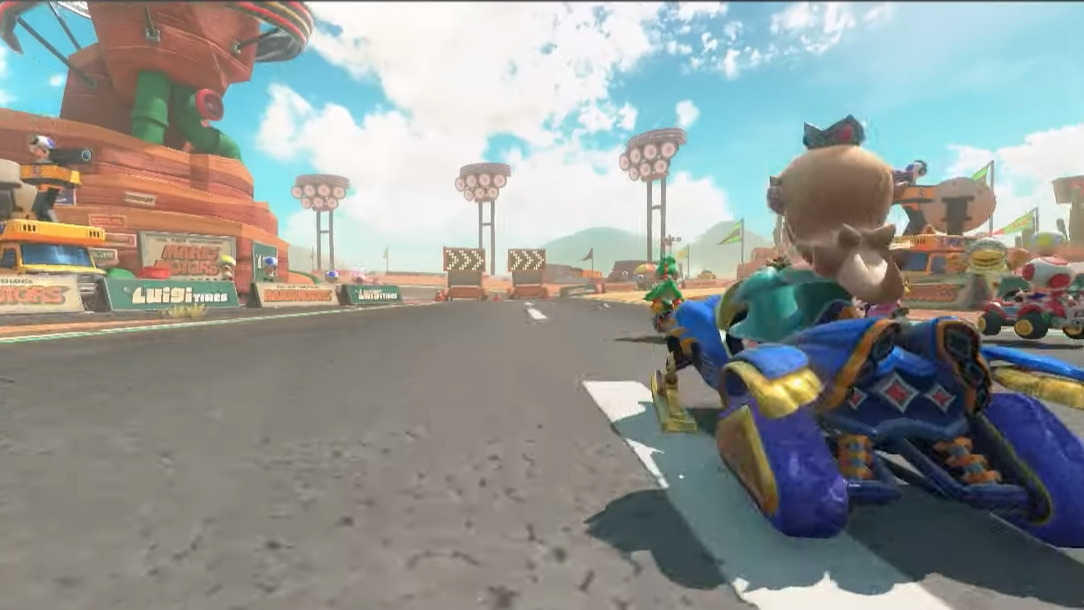
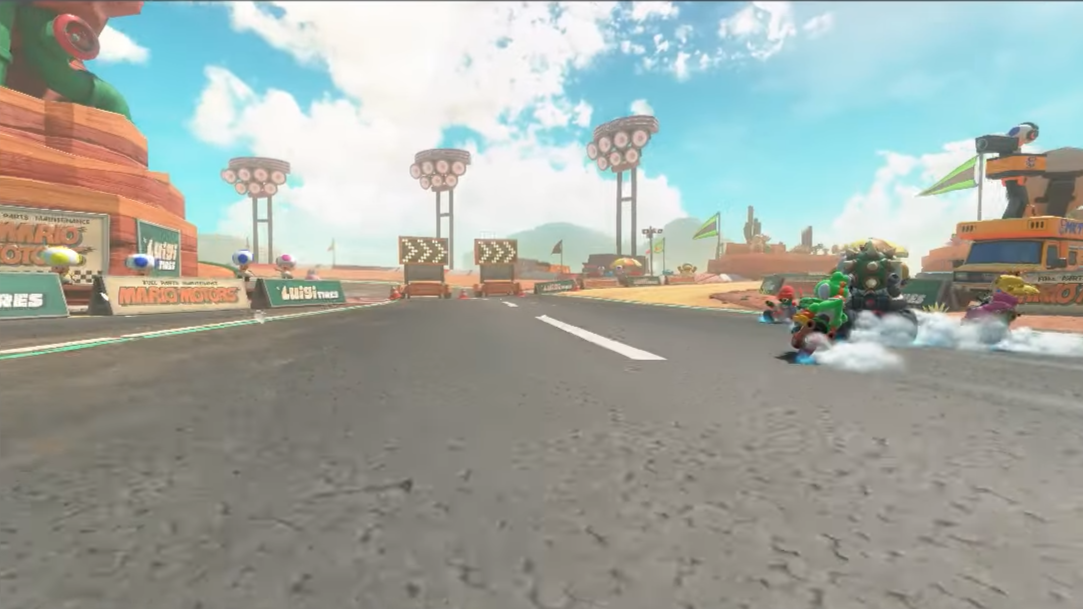
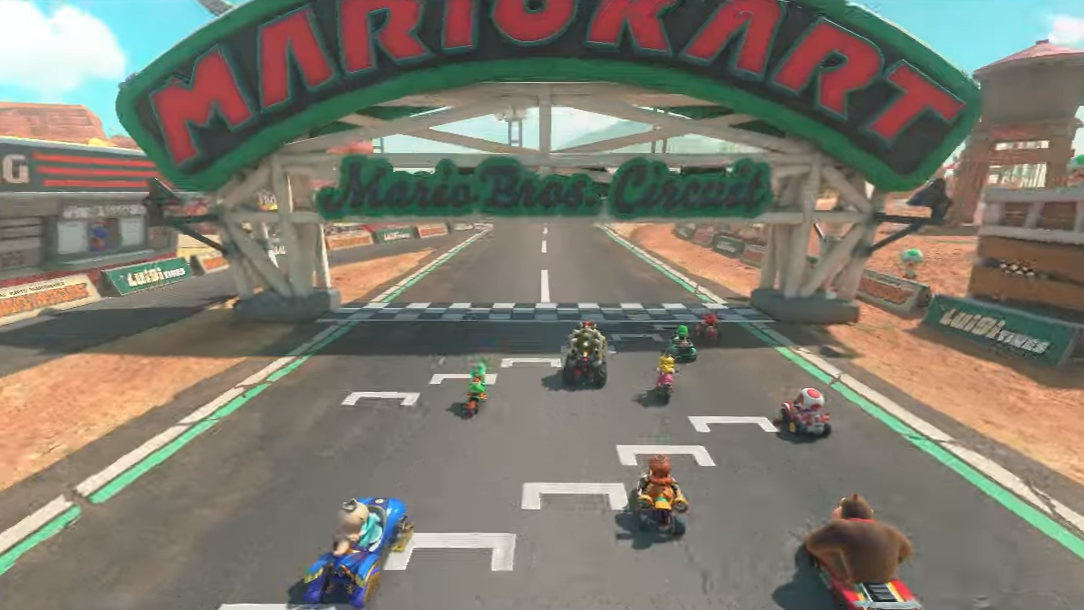
Dulay highlights advanced graphical features in the Mario Kart footage, such as physically-based shaders on vehicles—an effect that dynamically interacts with lighting and reflections. These were notably demanding on the original Switch hardware.
A late 2023 Digital Foundry report indicates the Switch 2 may feature Nvidia's T239 ARM chip with 1,536 CUDA cores—a sixfold increase over its predecessor. Motherboard leaks supporting an 8nm process further substantiate these claims.
The original Switch's Tegra X1 chip managed only 256 CUDA cores, making the potential upgrade particularly significant for shader processing.
"Every surface here utilizes physically-based rendering," Dulay observed, noting how such effects previously strained the Switch's hardware. He also identified enhanced environmental reflections—from tracks to character models—in the teaser.
The footage's high-resolution track textures suggest upgraded RAM capabilities. While the original Switch allocated 4GB total memory for both system and games, leaks indicate the Switch 2 may feature 12GB of LPDDR5 RAM across two 6GB modules.
Though exact RAM speeds remain unconfirmed, comparisons with existing SK Hynix modules suggest potential bandwidth exceeding the original hardware's 1600MHz limit when docked.
"We're not just seeing higher resolution textures, but more unique textures simultaneously," Dulay noted, emphasizing how improved memory throughput could elevate visual fidelity.
Dulay also confirmed the presence of computationally intensive volumetric lighting in the Mario Kart footage—dynamic effects that adjust for distance and density. Maintaining 60fps with such features, he argues, demonstrates the Switch 2's superior capability.
"The lighting implementation suggests a major hardware leap," Dulay stated, recalling how similar effects challenged original Switch developers. Extended shadow rendering distances in the trailer further support this assessment.
Combined improvements in GPU cores, RAM, and processing power appear to overcome previous hardware limitations. Details like high-polygon character models and real-time cloth physics on flags showcase tangible generational advancements.
As anticipation builds for Nintendo's April Direct presentation featuring Switch 2 details, Dulay's technical breakdown offers valuable insights into what developers might achieve with the new hardware.