The evolution of horror gaming constantly pushes developers to innovate in creating tension and fear. Familiar mechanics become predictable, leaving the overall impact reliant on design, narrative, and storyline. While groundbreaking titles are rare, "meta-horror" – games that break the fourth wall, interacting directly with the player – stands out. This interaction transcends simple character engagement, transforming the gaming experience.
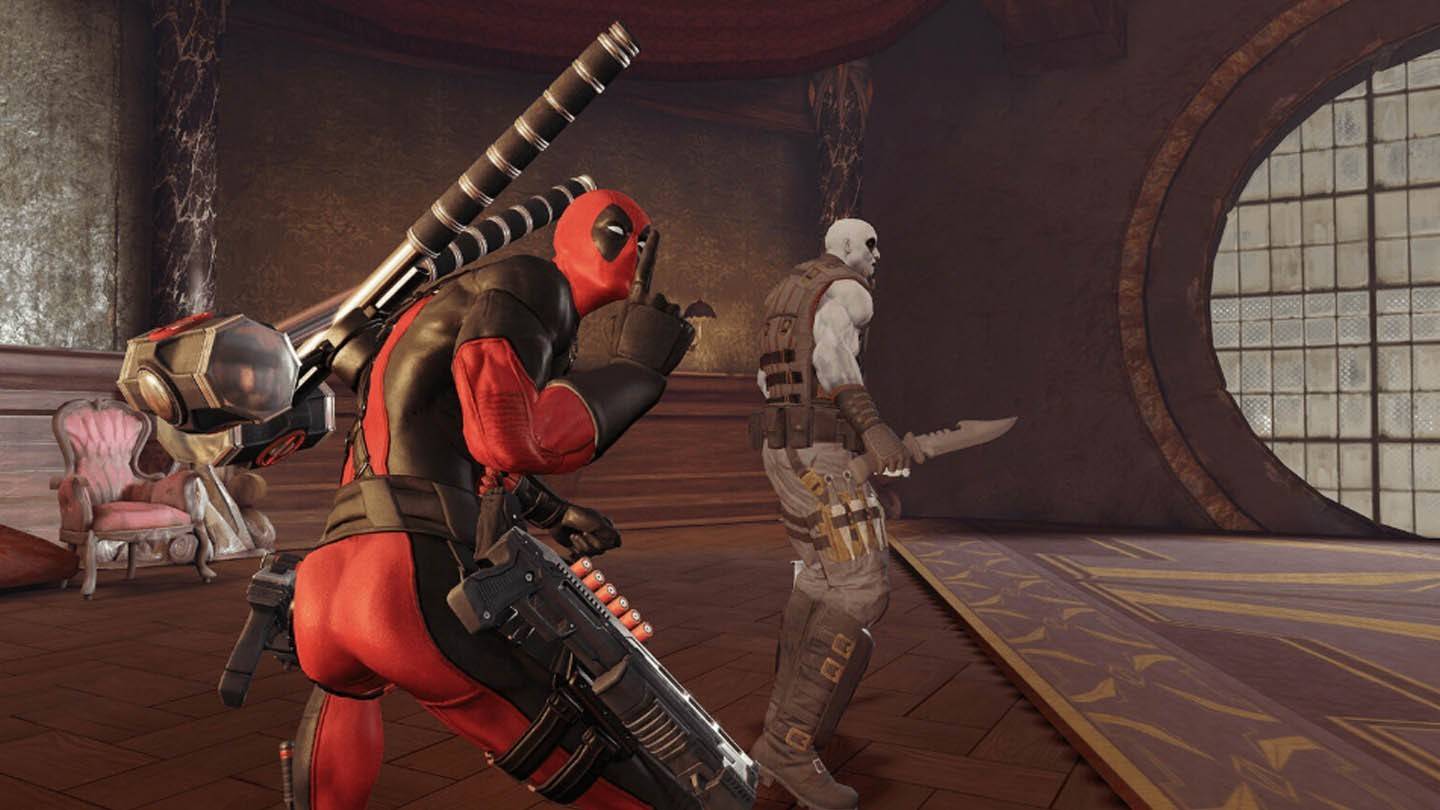
Psycho Mantis in Metal Gear Solid, a pioneer of this technique, famously instructed players to put down their controllers, a revolutionary concept in 1998. Kojima's use of the DualShock controller to reveal player data and heighten tension showcased the potential. While subsequent games like Deadpool, Detroit: Become Human, and Nier Automata utilized similar techniques, they often lacked the depth of true meta-horror.
Miside, a recent release, features elements of meta-horror, primarily through player interaction within its complex "game within a game" structure. This warrants further exploration in a future discussion.
Let's delve into some exemplary meta-horror games:
Doki Doki Literature Club!
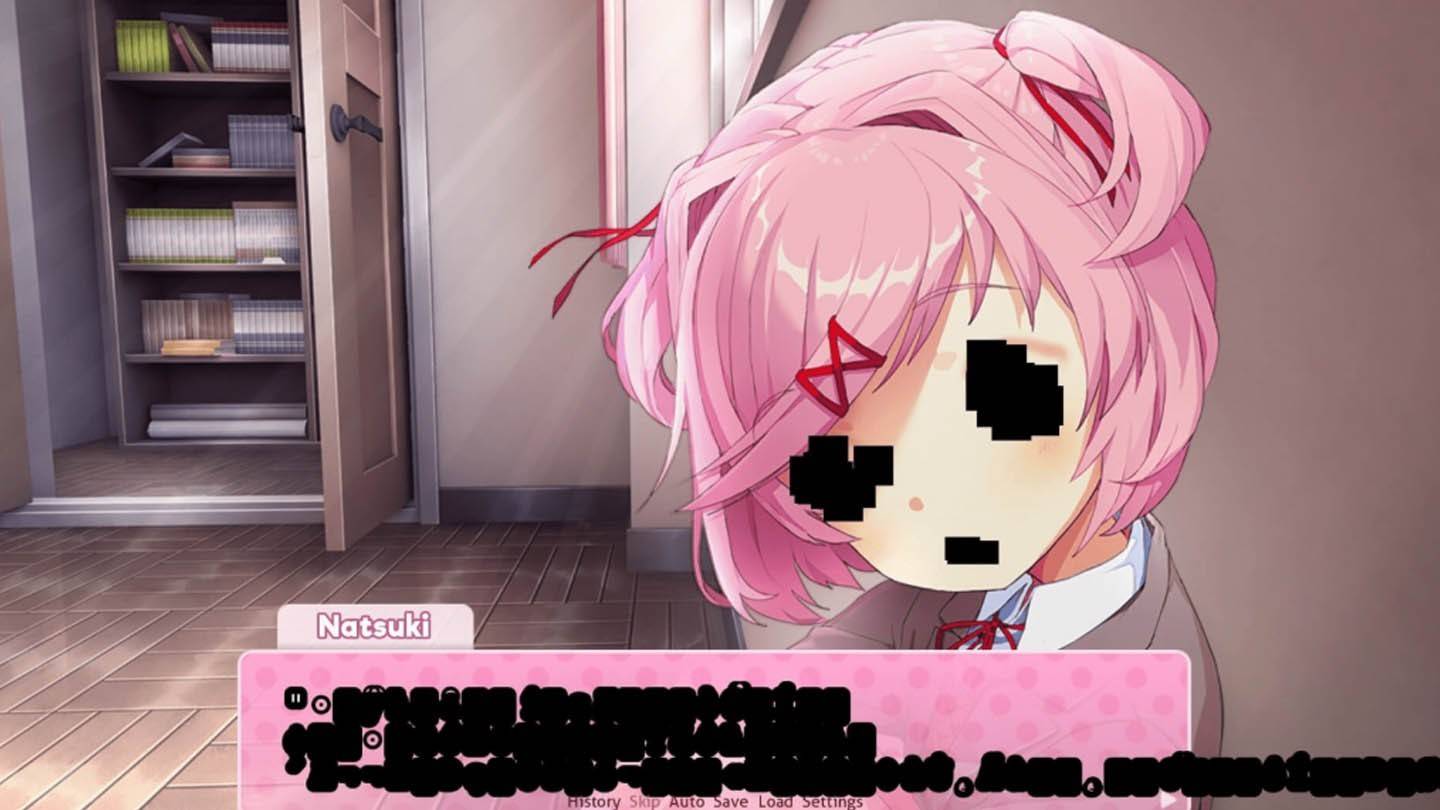
This 2017 visual novel, initially a charming romantic comedy, takes a dark, meta-horror turn. Its interaction extends beyond simple address; it accesses your operating system username and creates files, blurring the lines between storytelling and gameplay. DDLC's innovative approach, while not entirely unprecedented, popularized this style, leaving fans anticipating future projects.
OneShot

This RPG Maker adventure transcends typical gameplay. While not explicitly marketed as horror, it incorporates unsettling elements. Guiding your character to save the world, OneShot directly engages the player through system windows, file creation, and title changes, all integral to its puzzle-solving mechanics. Unlike DDLC, OneShot fully leverages these interactions, creating a memorable experience. Experiencing it firsthand is highly recommended.
IMSCARED

IMSCARED is the quintessential meta-horror experience. Its interaction with the player's system, while potentially flagged by antivirus software (as explained by the developer), is integral to its design. It presents itself not as a game, but as a self-aware entity, a virus interacting with you. The game manipulates your system, crashing, minimizing windows, controlling the cursor, and creating files, leading to a truly unique and unsettling experience.
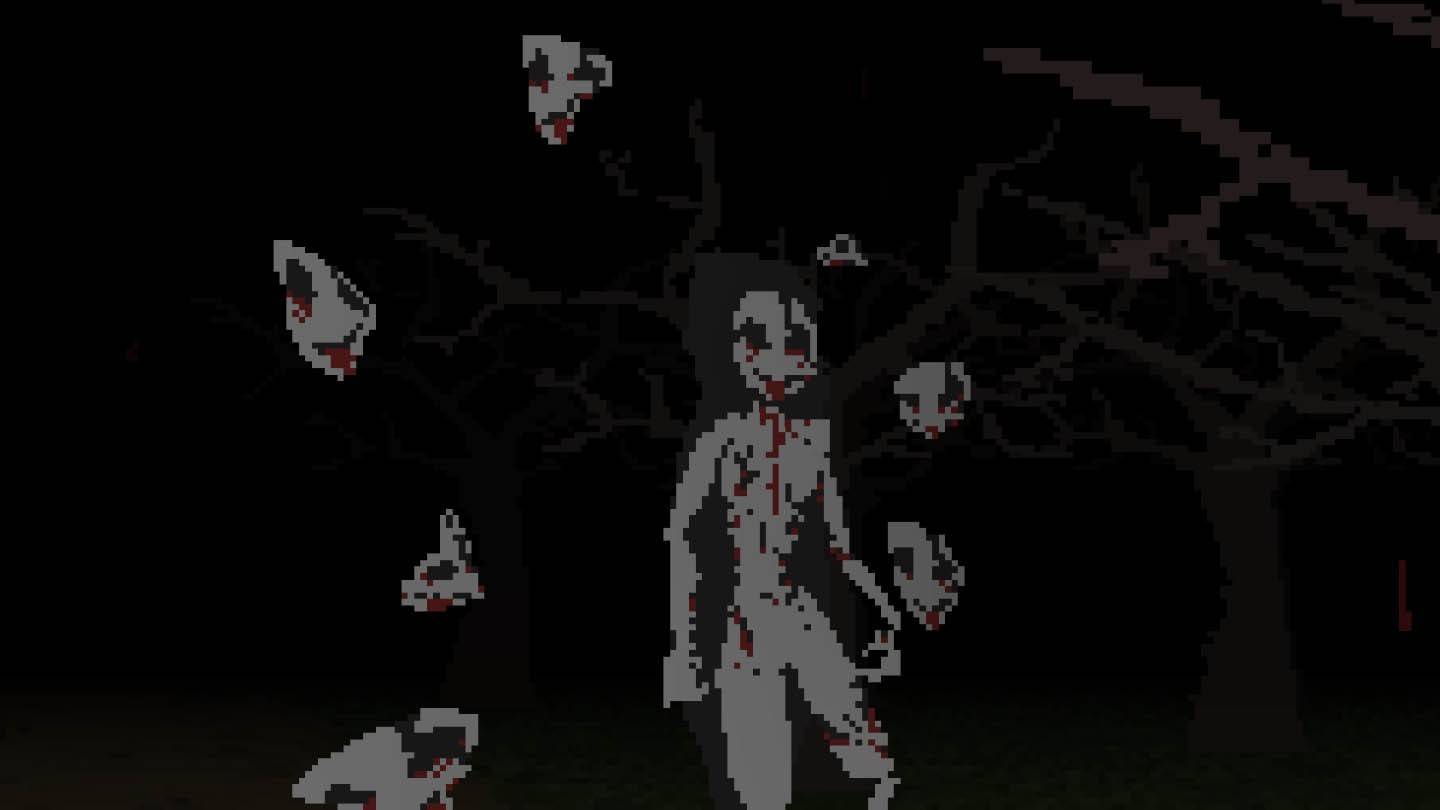
Released in 2012 and updated since, IMSCARED remains a chilling example of meta-horror, terrifying players through system manipulation rather than solely visual elements.
Conclusion
While many games utilize similar techniques, few master them as effectively as these. Meta-horror provides a unique gaming experience. Whether you prefer visual novels, puzzle-solving adventures, or a truly disruptive experience, there's a meta-horror game waiting to be discovered. Consider exploring OneShot or IMSCARED, or for those seeking a different kind of challenge, Voices of the Void offers another compelling option.