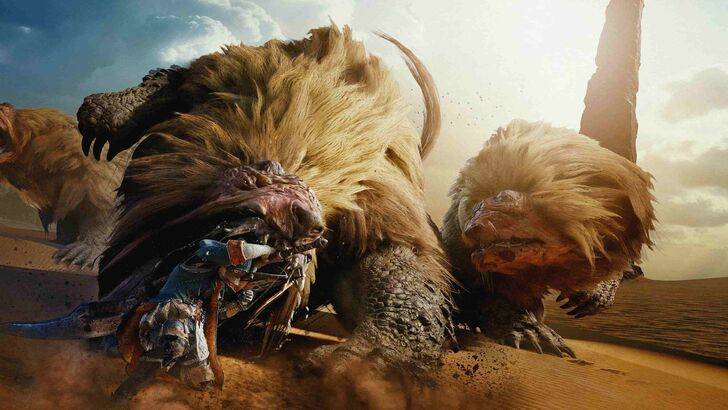
Capcom is actively working to enhance the performance of Monster Hunter Wilds ahead of its release, with a specific focus on reducing the game's GPU requirements for PC players. Dive into the details of Capcom's strategy for optimizing this eagerly awaited title.
Capcom Improving Monster Hunter Wilds’ Performance Ahead of Launch
Plans to Lower GPU Requirements for PC
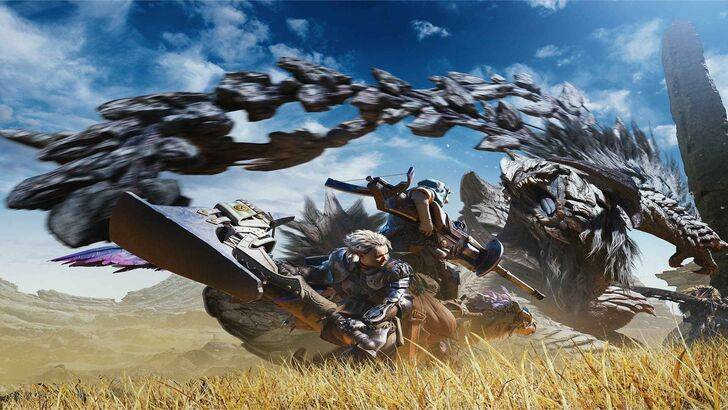
As shared on the game's German Twitter (X) account on January 19, 2025, Capcom is committed to improving Monster Hunter Wilds' performance before its official launch. A video released by Monster Hunter Germany showcased a hunter engaging in battle with Quematrice, a rooster-like brute wyvern, under the new Prioritize Framerate mode on PS5. This mode enhances frame rates at the expense of some graphical details, promising a smoother gameplay experience.
The same post also highlighted efforts to optimize the PC version of the game, with a focus on lowering the GPU requirements. "Performance will be improved in a similar way and we are looking into whether we can lower the recommended GPU requirements," the post stated.
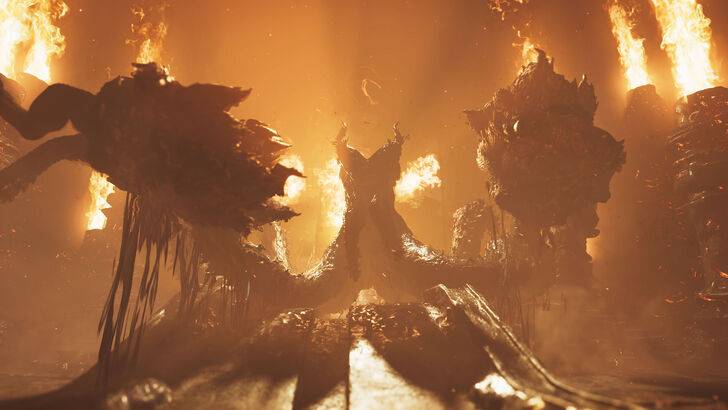
Currently, the minimum GPU requirements for the game are set at NVIDIA GeForce GTX 1660 Super and AMD Radeon RX 5600 XT. Should Capcom succeed in their optimization efforts, Monster Hunter Wilds could become playable on lower or mid-tier GPUs, broadening its accessibility to a wider audience.
Additionally, Capcom plans to release a free benchmarking tool that will help players determine the optimal settings for their PCs or evaluate whether their system can run the game. This move could alleviate concerns about needing to upgrade hardware, especially if GPU requirements are indeed lowered.
For more in-depth information on Monster Hunter Wilds, feel free to explore our detailed article.
Issues in the First Monster Hunter Wilds Open Beta
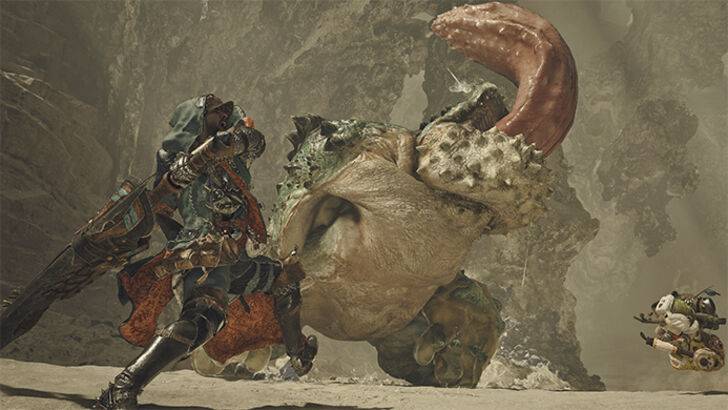
The first open beta test for Monster Hunter Wilds, held between October and November 2024, revealed significant performance issues that left many players dissatisfied. Feedback from Steam users highlighted the presence of low-poly NPCs and monsters, which some felt resembled the graphics of a PS1 game. Beyond the visual shortcomings, players also encountered frame rate drops and other performance hiccups, even on high-end PCs.
While some managed to boost performance, this often came at the cost of graphical quality, further degrading the visual experience.
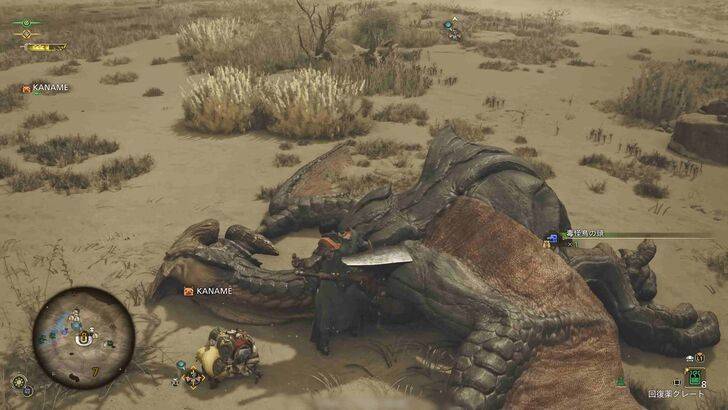
In response to these concerns, Capcom issued a statement on November 1, 2024, addressing the issue of "afterimage noise" in certain environments when Frame Generation was enabled, promising a fix in the full game. They assured players that the game's performance had already seen improvements beyond what was experienced during the beta.
Gamers will soon have the chance to experience these enhancements firsthand, as Capcom has announced a second Open Beta Test for Monster Hunter Wilds, set for February 7-10 and 14-17 on PS5, Xbox Series X|S, and Steam. This test will introduce the Bird Wyvern Gypceros and another undisclosed monster. However, it remains uncertain whether the recent performance updates will be included in this final beta phase.