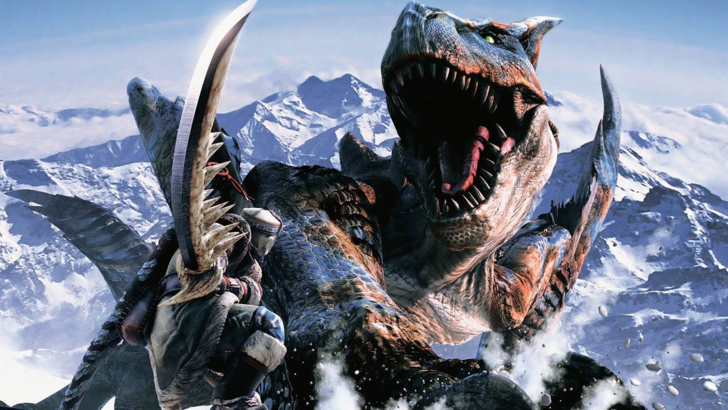
Monster Hunter is renowned for its diverse weapon selection and captivating gameplay. But did you know even more weapons exist, absent from recent installments? Discover the rich history of Monster Hunter weaponry below.
← Return to Monster Hunter Wilds' main article
History of Weapon Types in Monster Hunter
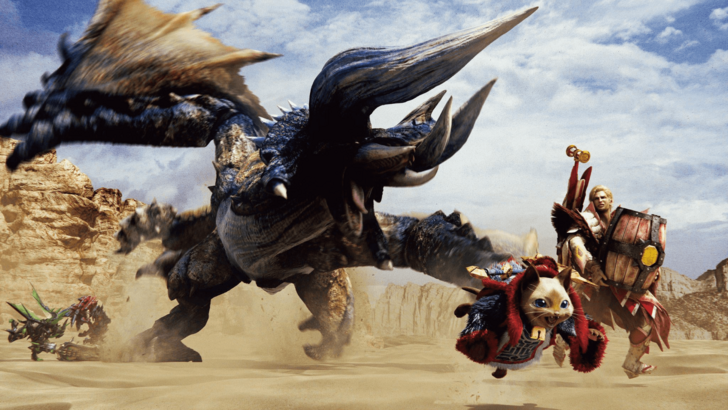
Celebrating over two decades since its 2004 debut, Monster Hunter's enduring appeal lies partly in its varied weapon arsenal. Monster Hunter Wilds boasts fourteen distinct weapon types, each demanding mastery of unique strengths, weaknesses, movesets, and mechanics.
The evolution from the original Great Sword to its modern counterpart showcases the series' growth. Moreover, several older weapons, previously unreleased in the West, add to the game's rich history. Let's delve into the evolution of the hunter's most crucial tools—their weapons.
First Generation
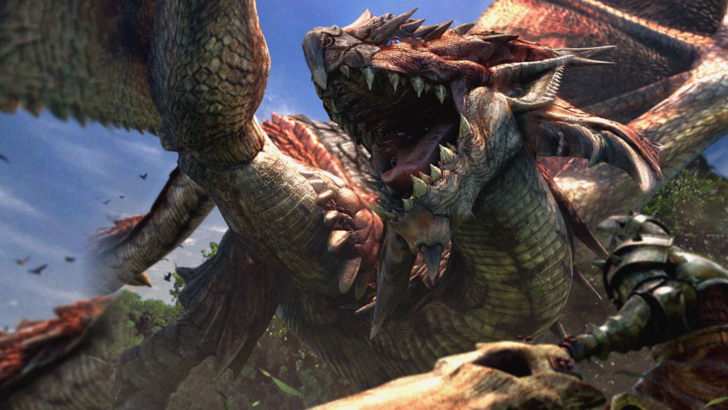
These weapons, introduced in the original Monster Hunter and its iterations, are the series' foundational arsenal. They've endured, evolving with enhanced movesets and mechanics.
Great Sword
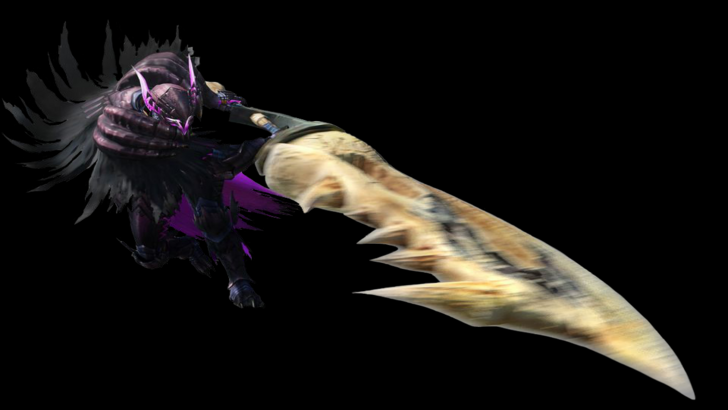
Arguably the franchise's most iconic weapon, the Great Sword debuted in 2004. Its high damage potential comes at the cost of slow attack speed and movement. The massive blade can even be used as a shield, though at the expense of stamina and sharpness.
Early gameplay centered on hit-and-run tactics and precise spacing. While combos were possible, slow animations discouraged extended attacks. Interestingly, the blade's center inflicted greater damage than its tip or hilt.
Monster Hunter 2 introduced the iconic Charged Slash, a three-level charge attack culminating in a devastating swing. This remains a core element of the Great Sword's appeal.
Subsequent games refined the charging mechanic, adding finishers and smoother combo transitions, despite maintaining its deliberate pace. Monster Hunter World's shoulder tackle, for instance, allows for quicker access to charged attacks.
The Great Sword offers a low skill floor, high skill ceiling. Mastering its hit-and-run style is relatively simple, but maximizing damage through precise True Charged Slashes requires significant skill.
Sword and Shield
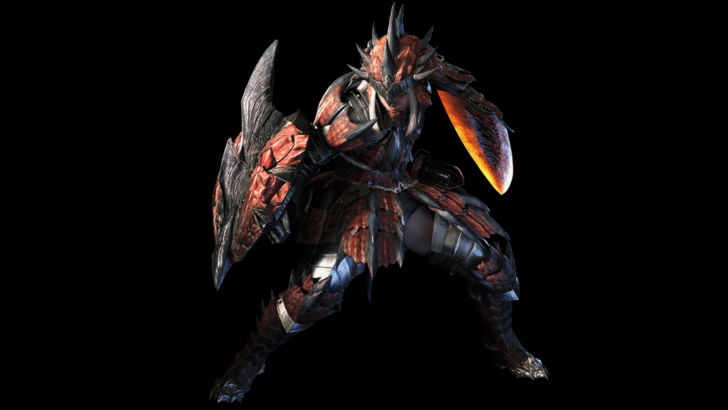
The Sword and Shield embodies versatility. While lacking in single-hit damage, it compensates with rapid combos, blocking capabilities, excellent mobility, and utility. Initially considered a beginner weapon, its complexity has grown significantly over the series.
Early gameplay emphasized quick slashes and high mobility. Monster Hunter 2 added the ability to use items while the weapon remained drawn.
Later iterations expanded the moveset, including the shield bash combo (Monster Hunter 3), backstep and jumping attacks (Monster Hunter 4), and the Perfect Rush combo and aerial finishers (Monster Hunter World and Monster Hunter Rise).
Despite its shorter range and moderate damage, the Sword and Shield remains a jack-of-all-trades. Its infinite combo potential, evasiveness, powerful finishers, and blocking capability make it a surprisingly deep and rewarding weapon.
Hammer
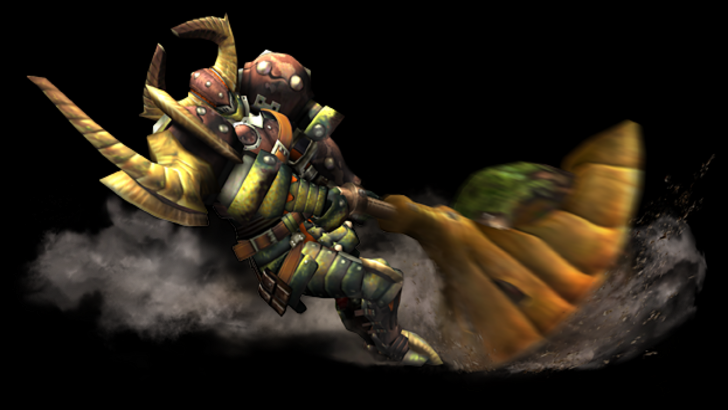
One of two blunt weapons (incapable of severing tails), the Hammer excels at breaking parts, particularly heads, leading to KOs (knockouts). Following Monster Hunter 2, the Hammer became synonymous with stunning monsters through repeated head strikes.
Its gameplay resembles the Great Sword's hit-and-run style, but with surprisingly high mobility for its size and the inability to block. The Hammer's unique charge mechanic allows movement while charging.
The moveset remained largely consistent until Monster Hunter World and Monster Hunter Rise, which introduced the Big Bang and Spinning Bludgeon attacks, significantly enhancing its offensive capabilities.
Two modes, Strength and Courage, were added, subtly altering charge attacks and effects. Effective Hammer use demands understanding when to switch modes for optimal damage output and charge management.
The Hammer's objective is straightforward: target the head and KO the monster. This seemingly simple goal, however, requires skill and timing to maximize damage with charged attacks and combo finishers.
Lance
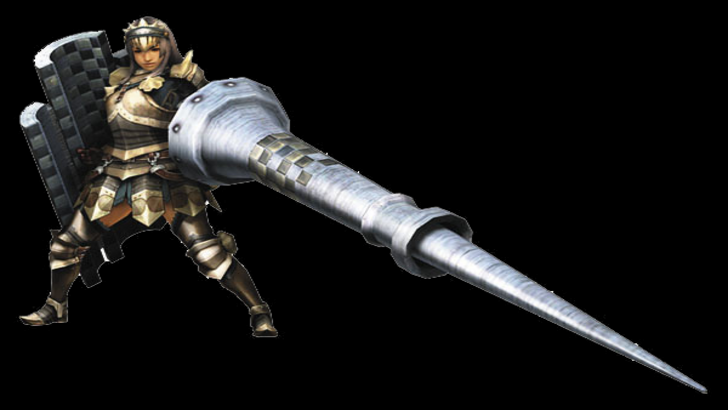
The Lance embodies the adage, "A good offense is a great defense." Its long reach allows for ranged attacks, while its large shield blocks most incoming attacks, making it the pinnacle of defensive weaponry. Despite its limited mobility and attack options, its damage output is substantial.
Its gameplay resembles an outboxer's strategy: poking from a safe distance behind its shield. Core attacks include forward and upward thrusts, chainable up to three times. The counter mechanic, introduced later, further enhances this defensive style. A running charge attack and shield bash are used to close the distance.
Often perceived as "boring" due to its less flashy animations, the Lance's design is unique. It rewards players for standing their ground and absorbing attacks, transforming the hunter into a formidable tank.
Light Bowgun
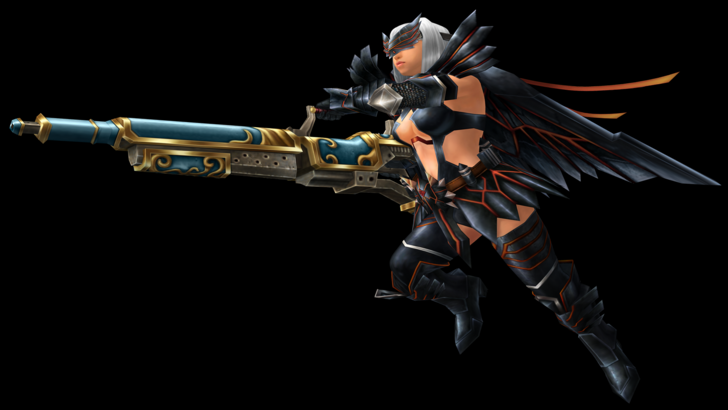
The Light Bowgun is a mobile ranged weapon, present in every game since its first generation introduction. Its smaller size allows for faster reloading, sheathing, and dodging.
The trade-off for this enhanced mobility is limited ammunition variety and lower firepower compared to its heavier counterpart. Customization options, such as barrels, silencers, and scopes, allow for weapon tailoring.
The Light Bowgun's ability to Rapid Fire certain ammo types compensates for its ammunition limitations and weaker individual shots, making it surprisingly effective.
Monster Hunter 4's "Critical Distance" mechanic added depth to ranged combat, introducing optimal firing ranges for different ammo types. Monster Hunter World introduced Wyvernblast (ground bombs) and a slide maneuver after shooting, further enhancing its run-and-gun style.
The Light Bowgun has evolved beyond being simply a weaker version of the Heavy Bowgun. Its simplicity and ease of use, combined with its unique mechanics, make it a strong contender in the ranged weapon category.
Heavy Bowgun
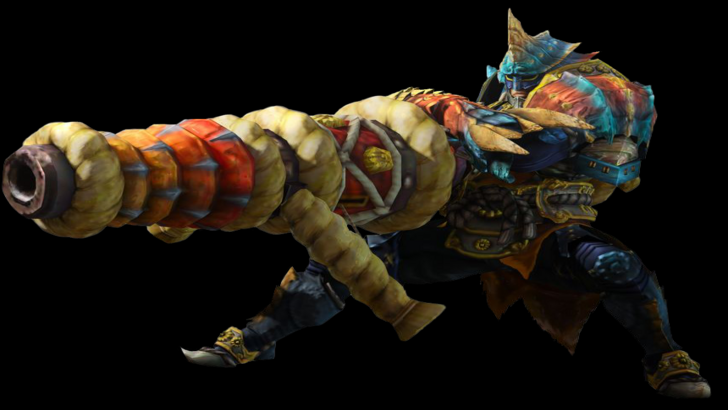
The Heavy Bowgun, the premier ranged weapon of the first generation, delivers high damage and access to most special ammunition. Its size, however, severely restricts mobility while drawn.
While the Light Bowgun prioritizes mobility, the Heavy Bowgun offers flexibility through its wide ammunition selection. Its slow movement speed is mitigated by the option to equip a shield for defense.
Its design remained largely unchanged until Monster Hunter 3, introducing Siege Mode for continuous firing without reloading. Monster Hunter World added Wyvernheart (minigun) and Wyvernsnipe (high-damage single shot) special ammo types, requiring strategic ammunition management.
The Heavy Bowgun's strength lies in its powerful ammunition, such as Cluster and Crag, for quickly eliminating monsters. While minor changes have been made over the years, its core identity—high-damage, low-mobility—remains intact.
Dual Blades
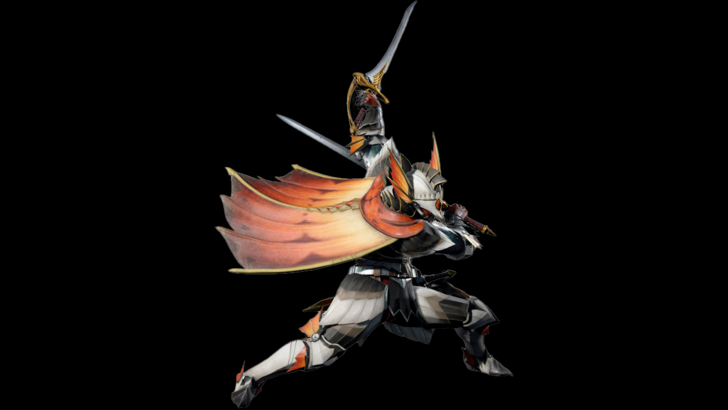
Known for their flashy attacks and high speed, the Dual Blades excel at inflicting status ailments and elemental damage due to their multi-hit attacks. Interestingly, despite being a first-generation weapon, they were only introduced in the Western release of the original Monster Hunter.
Their gameplay emphasizes speed and fluid combos, surpassing the Sword and Shield in pure offensive power. Individual attacks are weak, but their rapid succession inflicts substantial damage.
Demon Mode, a temporary damage boost with increased attack options, consumes stamina. This core mechanic has persisted, with refinements over time.
Monster Hunter Portable 3rd and Monster Hunter 3 Ultimate introduced the Demon Gauge, filling with each attack in Demon Mode. A full gauge activates Archdemon Mode, providing enhanced attacks and evasiveness without stamina drain.
The Demon Dash, a unique movement tool, allows for rapid repositioning. Monster Hunter Generations Ultimate's Adept Hunter Style linked perfect dodges to the Demon Dash, providing a damage buff.
While core mechanics remain, refinements have enhanced the Dual Blades' aggressive playstyle. Archdemon Mode fundamentally altered the weapon's usage, encouraging sustained high-damage output.
Second Generation
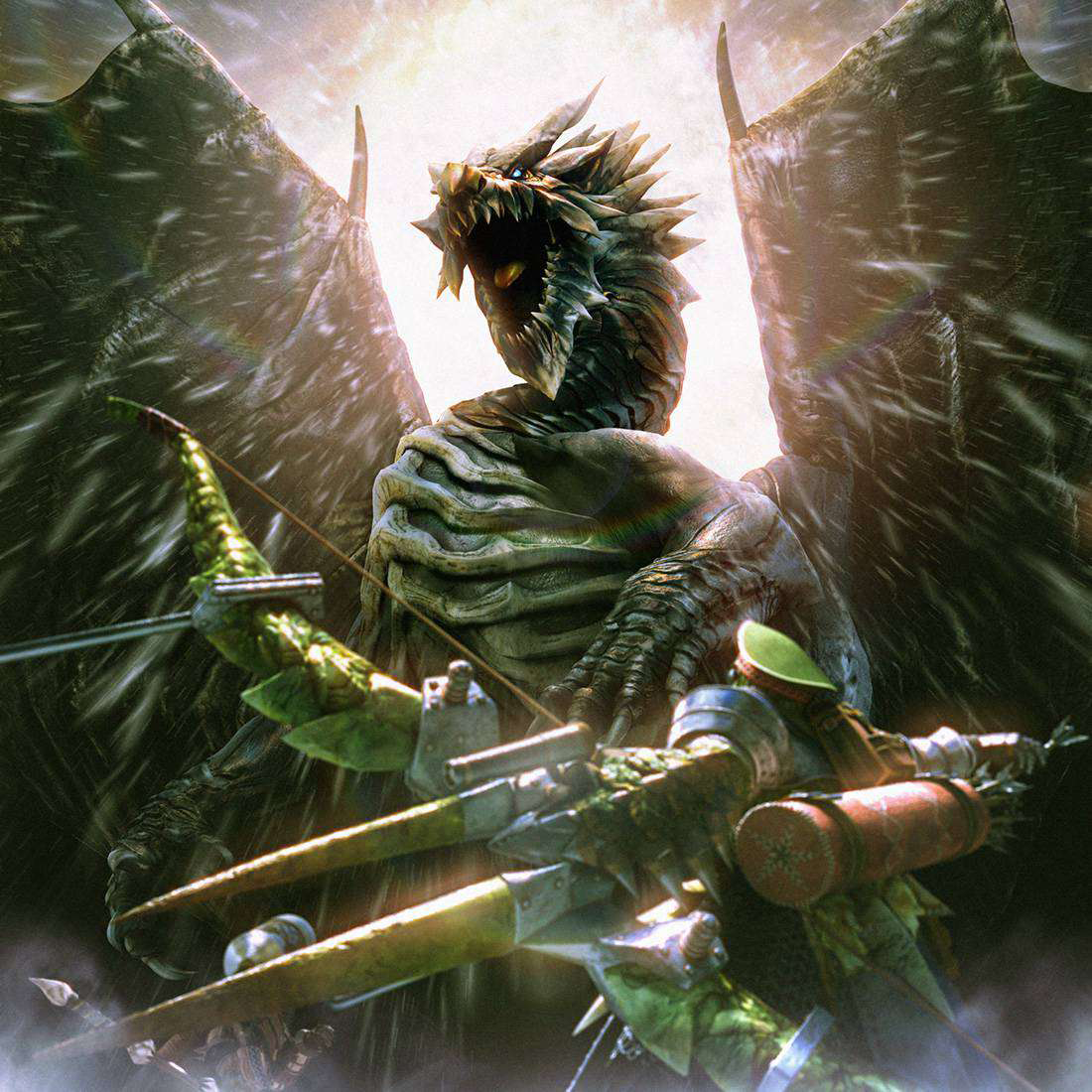
Introduced in the second generation, these weapons are cousins to their first-generation counterparts, offering similar functionality but distinct movesets and mechanics.
Long Sword
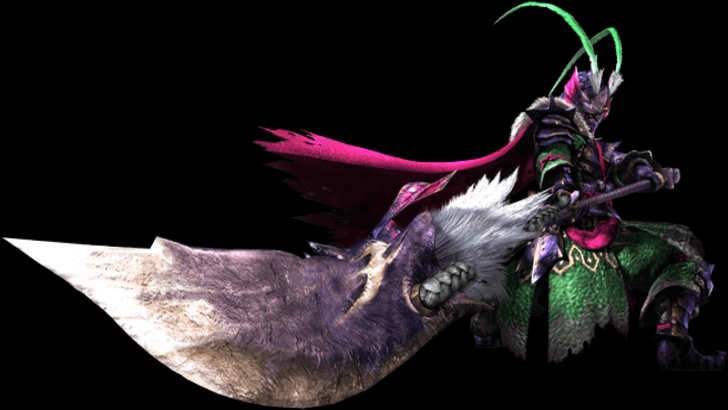
The Long Sword is celebrated for its fluid combos, high damage, and intricate mechanics. Cosmetically resembling katanas, it was officially introduced in Monster Hunter 2, possessing its own unique moveset. While functionally similar to the Great Sword, it boasts superior mobility and more fluid combos.
The Spirit Gauge, a core mechanic, fills with successful attacks, activating the Spirit Combo—a powerful damage string.
Monster Hunter 3 added Spirit Roundslash, a finisher that increases Spirit Gauge levels (white, yellow, red), each providing stronger attack buffs.
Monster Hunter World introduced Spirit Thrust Helm Breaker and Foresight Slash (a parry), significantly enhancing combo fluidity and defensive capabilities.
Iceborne added the Iai Stance, featuring Iai Slash and Iai Spirit Slash (another parry), further refining the counter-based gameplay.
The Long Sword remains combo-focused, but with the addition of parries and counters, it's become more dynamic. Mastering Spirit Gauge management and seamlessly integrating counters into combos is key to maximizing its potential.
Hunting Horn
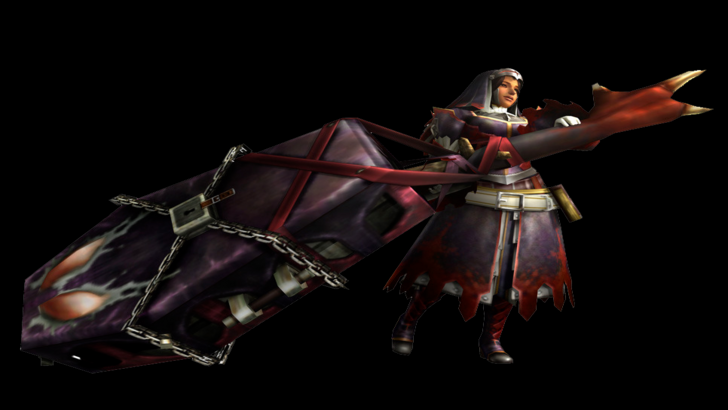
The Hunting Horn, a support weapon introduced in Monster Hunter 2, utilizes Recital—a system of playing notes to trigger various beneficial effects (attack/defense buffs, healing). Like the Hammer, it deals blunt damage, prioritizing head strikes for stunning.
Changes primarily focused on Recital's efficiency. Monster Hunter 3 Ultimate allowed note playing during attacks, improving fluidity. Monster Hunter World introduced song queuing for simultaneous buff activation.
Iceborne added Echo Notes, providing additional buffs by triggering Recitals in specific areas.
Monster Hunter Rise significantly overhauled the system, simplifying note playing and automatic buff application. This change, while making the weapon more accessible, sparked debate regarding its reduced complexity.
Gunlance
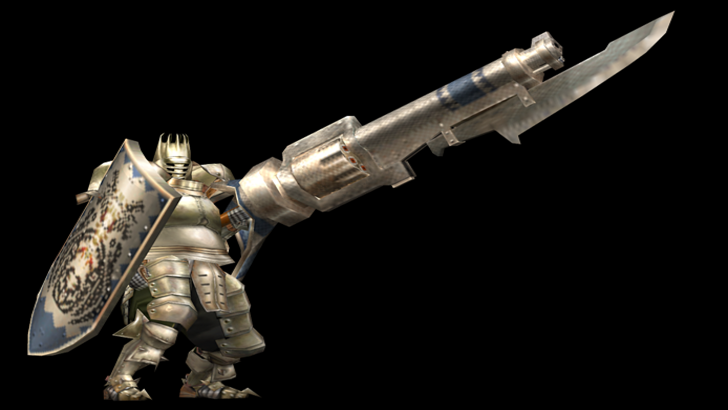
A hybrid of Lance and Bowgun, the Gunlance introduced in the second generation combines a lance's shield and piercing attacks with explosive shelling. Its attacks are primarily slashing and cutting, unlike the Lance's piercing attacks.
Wyvern's Fire, a charged explosive attack, serves as a powerful finisher. Different shelling types affect attack power and explosions.
Monster Hunter 3 added quick reload for infinite combos and Full Burst, a powerful downward slam. The ability to charge multiple shells for a single attack was also introduced.
Monster Hunter X introduced the Heat Gauge, increasing damage with shelling usage but risking overheating. Monster Hunter World added Wyrmstake Shot, an impaling explosive attack.
The Gunlance's unique reload and shelling mechanics differentiate it. Balancing shelling usage with physical attacks is key to avoiding overheating and maximizing damage.
Bow
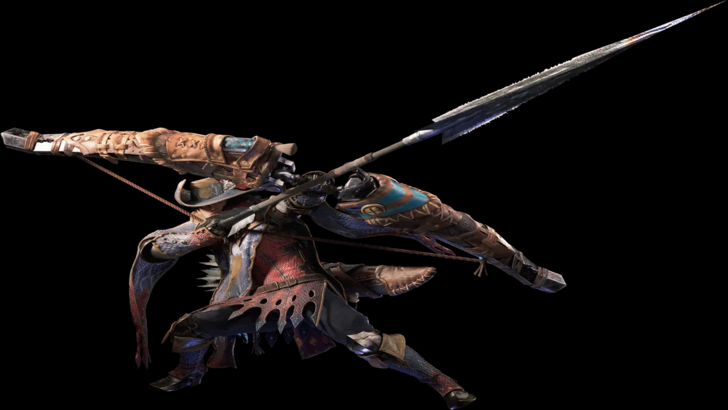
The Bow, the most agile ranged weapon, emphasizes close-to-mid-range combat and high mobility. It functions similarly to melee weapons, utilizing combos and charged shots. Various coatings enhance damage and inflict elemental/status effects.
Its hit-and-run style prioritizes weak point targeting and multi-hit attacks for high elemental damage. Shot Types, initially weapon-specific, were simplified in Monster Hunter World, becoming universal and integrated into the combo system.
Monster Hunter Rise reintroduced Shot Types, but tied to charge levels, adding complexity.
The Monster Hunter World overhaul streamlined the Bow's gameplay, emphasizing aggressive, combo-heavy ranged combat.
Third and Fourth Generation
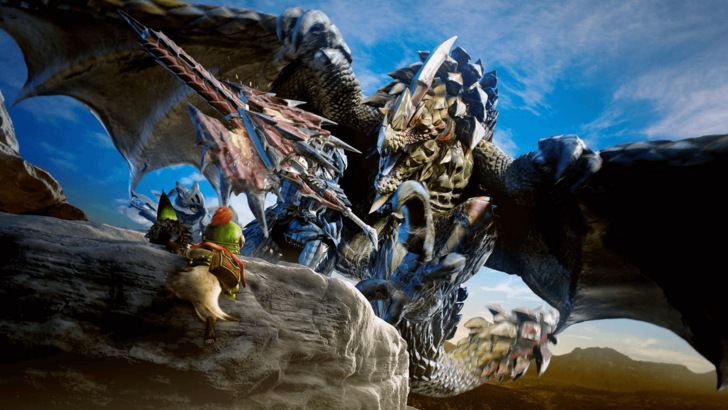
These weapons, introduced in Monster Hunter 3 and Monster Hunter 4, feature transforming mechanics, adding unique layers to their gameplay.
Switch Axe
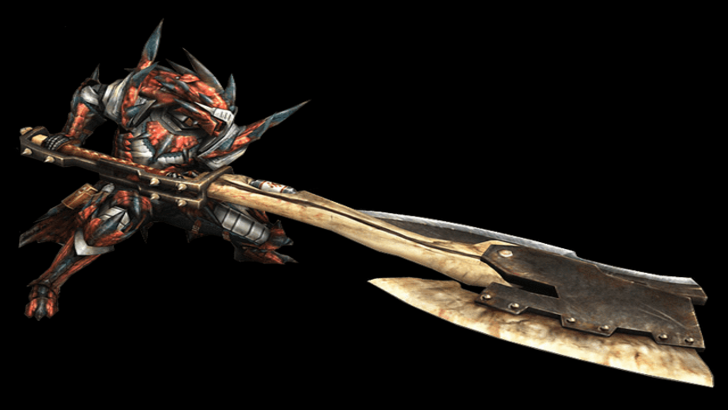
The Switch Axe, introduced in Monster Hunter 3, boasts two modes: Axe Mode (mobile, long-range) and Sword Mode (high-damage). Balancing these modes is crucial.
Axe Mode offers mobility and range, with an infinite stamina-based combo. Sword Mode delivers quicker swings, phial attacks, and the Elemental Discharge finisher.
Monster Hunter World introduced Amped State, empowering Sword Mode attacks. Monster Hunter Rise extended Amped to both modes, encouraging form switching.
The Switch Axe's form-swapping mechanics and explosive combat style make it a unique and dynamic weapon.
Insect Glaive
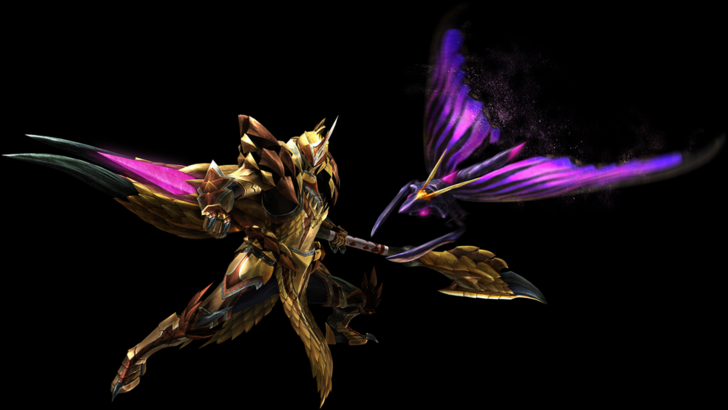
The Insect Glaive, also from Monster Hunter 4, specializes in aerial combat. It utilizes a Kinsect (insect companion) to gather essences (red, white, orange) for attack, mobility, and defense buffs.
The Kinsect can be freely controlled or targeted with pheromone bullets. The Glaive excels at mounting monsters.
While core mechanics remain largely unchanged, additions like the Descending Thrust finisher (Monster Hunter World: Iceborne) enhanced its air-to-ground capabilities.
Monster Hunter Rise simplified Kinsect upgrades and introduced new Kinsect types, improving accessibility.
The Insect Glaive's buff system and aerial attacks make it unique and relatively easy to use.
Charge Blade
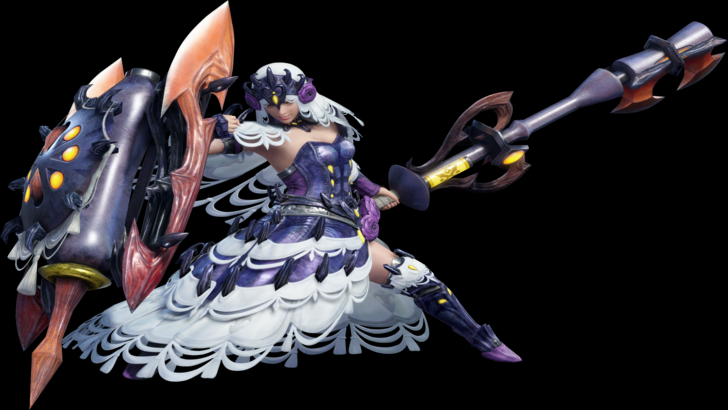
The Charge Blade, another transforming weapon from Monster Hunter 4, offers versatility and powerful finishers. Sword Mode charges phials, while Axe Mode unleashes Amped Elemental Discharge.
It's considered one of the most difficult weapons due to its complex mechanics. Mastering Guard Points is crucial for charging phials while defending.
The weapon's versatility and depth make it incredibly rewarding to master.
Will There Be More?
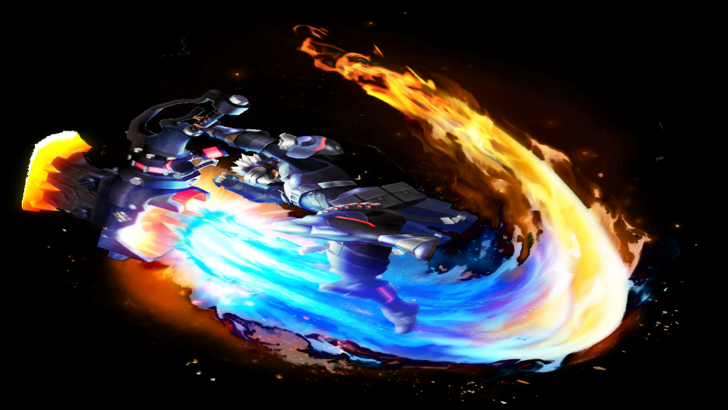
While Monster Hunter Wilds features fourteen weapons, more exist, previously unreleased in the West. The series' longevity suggests the possibility of new weapons or ports of older ones in future installments.
You may also like...