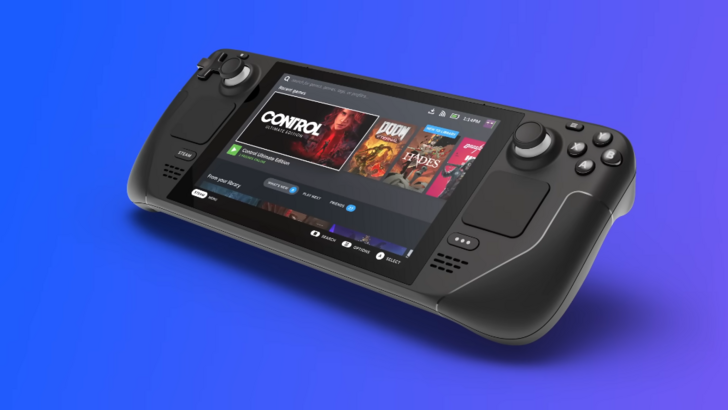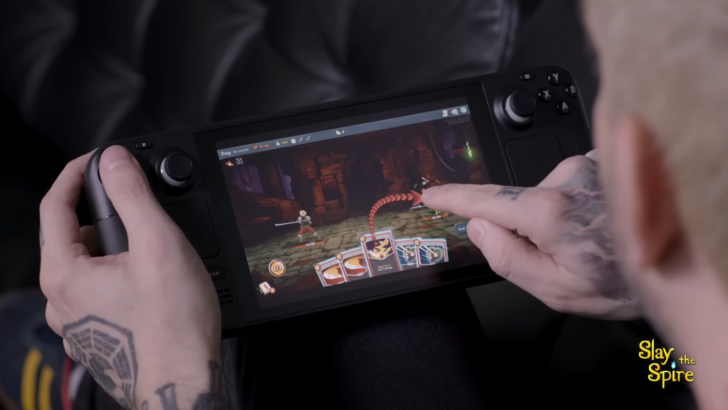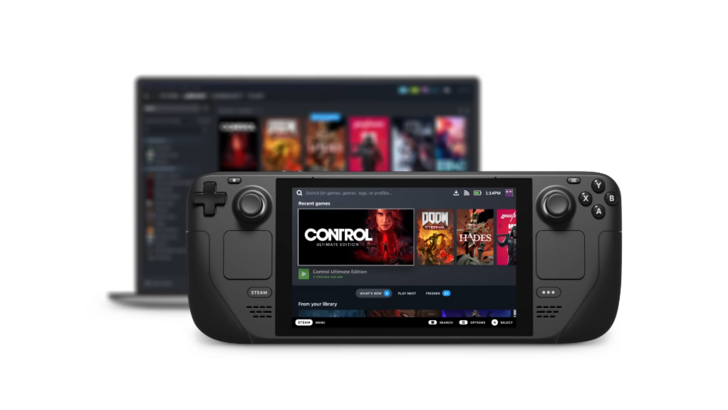
Valve has made a strategic decision to break away from the annual upgrade cycle commonly seen with smartphones and other handheld gaming devices. In a recent interview with Reviews.org, Steam Deck designers Lawrence Yang and Yazan Aldehayyat explained their approach to hardware updates for the Steam Deck, emphasizing a commitment to significant, rather than incremental, improvements.
Yang stated firmly, "We’re not going to do a bump every year. There’s no reason to do that. And, honestly, from our perspective, that’s kind of not really fair to your customers to come out with something so soon that’s only incrementally better." This philosophy underscores Valve's focus on delivering what they term a "generational leap," ensuring that any new iteration of the Steam Deck will offer substantial enhancements without compromising on battery life.
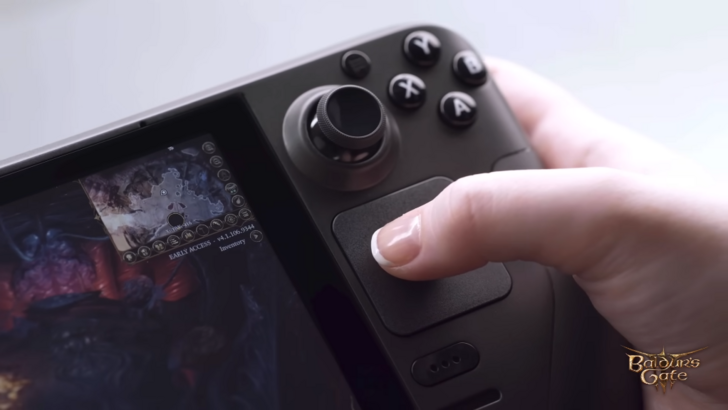
Aldehayyat echoed these sentiments, highlighting the Steam Deck's role in enabling PC gaming away from traditional desktop setups. While acknowledging the progress made, he noted, "There’s still a lot of room for improvement." Valve is keen on seeing the industry move forward, with Aldehayyat expressing enthusiasm for other companies adopting innovations like the Steam Deck’s touchpads, which provide unique advantages in PC game navigation.
When discussing potential features, Aldehayyat revealed a missed opportunity with the Steam Deck OLED, saying, "Variable refresh rate (VRR) was at the top of our list." Despite user demand and the team's own interest, VRR couldn't be included in time for the OLED launch. Yang clarified that the OLED model was not intended as a second-generation device but as a refined version of the original LCD Steam Deck.
The team is also exploring ways to improve battery life in future models, though they recognize the current technological constraints. Users may need to wait for the next major release, potentially the Steam Deck 2, to see these advancements.
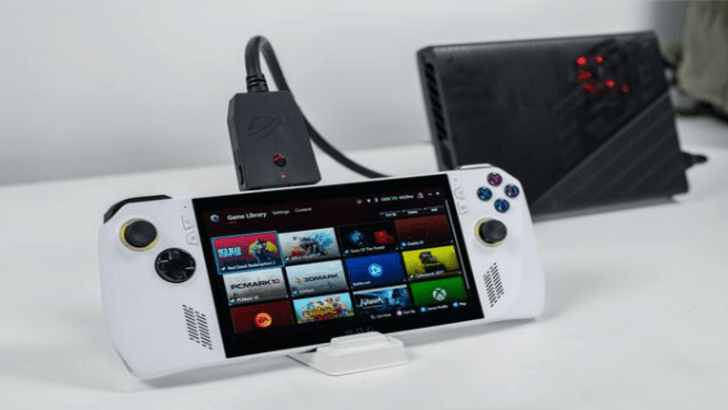
Despite the lack of annual updates, Valve is not concerned about falling behind competitors like the Asus ROG Ally and Ayaneo. Instead, they view the increased competition as a positive force driving innovation in the handheld gaming PC market. Aldehayyat expressed excitement about the variety of design choices and the overall improvement in gaming experiences outside traditional setups, saying, "We love the idea that a lot of companies are working on improving the experience of playing games outside of your office or away from your computer."
Valve's decision to avoid yearly updates may also be influenced by the ongoing global rollout of the Steam Deck. The company officially launched the device in Australia this November 2024, more than two years after its initial release. Yang explained the delay, stating, "It takes a very long time to get everything buttoned up in terms of financial due diligence, and then setting up all the logistics and warehousing and shipping and returns and all that kind of stuff." Aldehayyat added that Australia was always on their list, but they needed the right channels and business presence to handle returns effectively.
Currently, the Steam Deck is still not officially available in several countries, including Mexico, Brazil, and parts of Southeast Asia like the Philippines and Indonesia. Users in these regions rely on unofficial means to acquire the device, missing out on official support, accessories, and warranties. In contrast, the Steam Deck is available in markets like the United States, Canada, much of Europe, and parts of Asia, including Taiwan, Hong Kong, South Korea, and Japan via Komodo’s website.