
One of the most unforgettable moments in the entire Assassin’s Creed series unfolds at the beginning of Assassin’s Creed 3, when Haytham Kenway concludes his mission to gather a group of what the player assumes to be assassins in the New World. Haytham's use of a hidden blade, his charisma reminiscent of the iconic Ezio Auditore, and his heroic actions, such as liberating Native Americans and confronting British redcoats, all contribute to the initial deception. It's only when he utters the Templar creed, "May the Father of Understanding guide us," that the shocking truth is revealed: we've been following the Templars, the sworn enemies of the Assassins.
This twist exemplifies the pinnacle of Assassin’s Creed's storytelling potential. The original game introduced an engaging concept of tracking down and eliminating targets, but it lacked depth in character development, leaving both Altaïr and his victims without distinct personalities. Assassin’s Creed 2 improved this aspect by introducing the memorable Ezio, yet it failed to develop his adversaries, particularly Cesare Borgia in Assassin’s Creed: Brotherhood. It was not until Assassin’s Creed 3, set amidst the American Revolution, that Ubisoft truly devoted time to crafting well-rounded characters for both the hunters and the hunted. This enriched narrative flow from setup to payoff created a harmonious balance between gameplay and story, unmatched by subsequent entries.
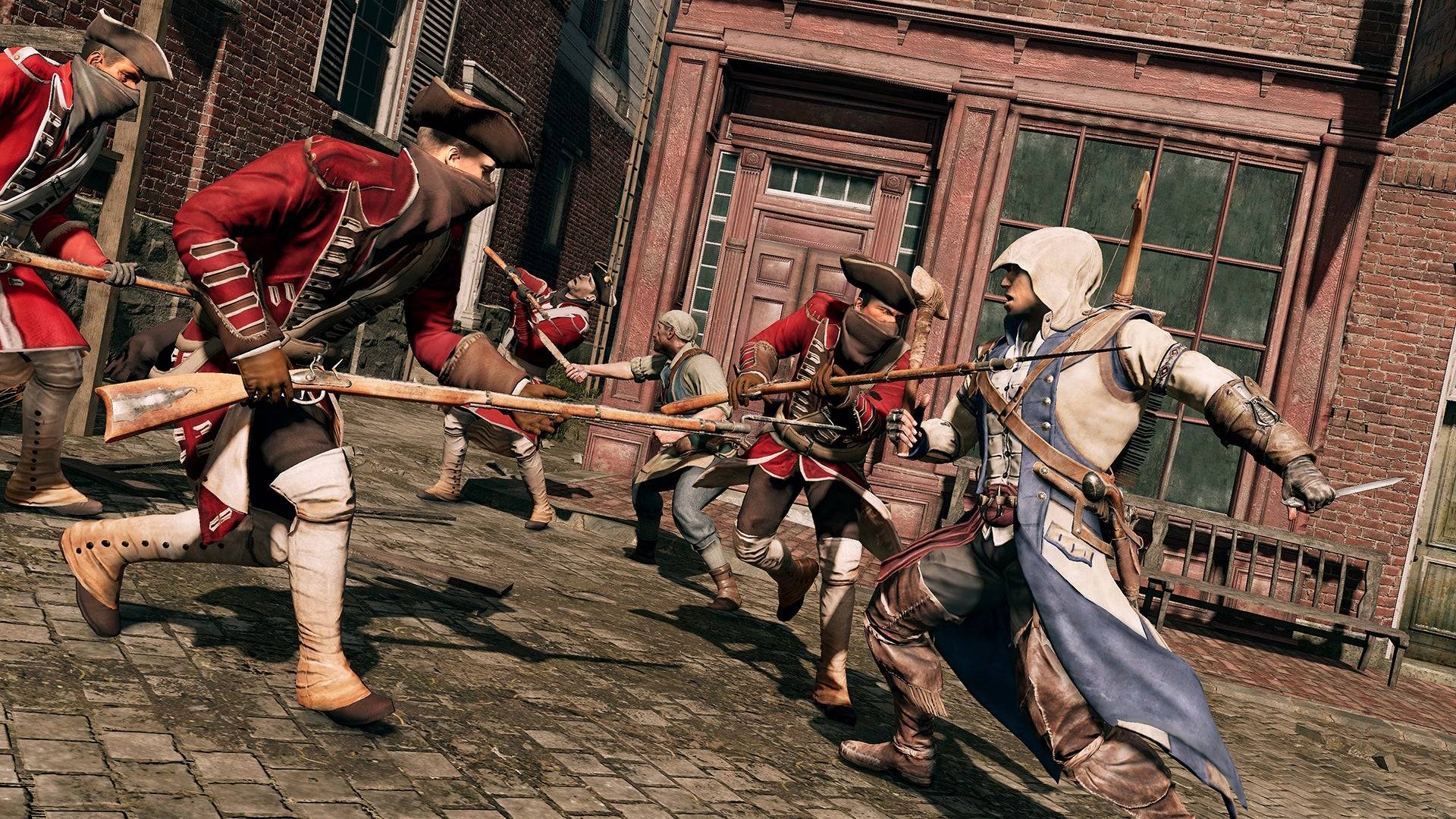
Despite the acclaim for the current RPG-focused era of the series, many fans and critics believe Assassin’s Creed has been on a downward trajectory. The reasons cited vary, from the increasingly fantastical elements, such as battling gods like Anubis and Fenrir, to the introduction of diverse romance options and the controversial inclusion of historical figures like Yasuke in Assassin’s Creed Shadows. However, I argue that the core issue lies not in these elements but in the series' shift away from character-driven narratives, which have become overshadowed by expansive, sandbox-style gameplay.
Over time, Assassin’s Creed has evolved from its action-adventure roots to incorporate numerous RPG and live service elements, including dialogue trees, XP-based leveling, loot boxes, microtransactions, and gear customization. Yet, as the games have grown larger, they've begun to feel less substantial, not only in terms of repetitive side missions but also in their storytelling. For instance, while Assassin’s Creed Odyssey boasts more content than Assassin’s Creed 2, much of it feels less refined and immersive. The introduction of player choices, intended to enhance immersion, often results in scripts that feel stretched thin, lacking the polish and focus of the earlier, more linear narratives.
This shift has led to a noticeable decline in character depth, making interactions with NPCs feel more like dealing with generic game characters rather than complex historical figures. The earlier Xbox 360/PS3 era of the series, in contrast, delivered some of the most compelling writing in gaming, from Ezio’s passionate declaration, "Do not follow me, or anyone else!" after defeating Savonarola, to Haytham's poignant final words to his son, Connor:
"Don't think I have any intention of caressing your cheek and saying I was wrong. I will not weep and wonder what might have been. I'm sure you understand. Still, I'm proud of you in a way. You have shown great conviction. Strength. Courage. All noble qualities. I should have killed you long ago."
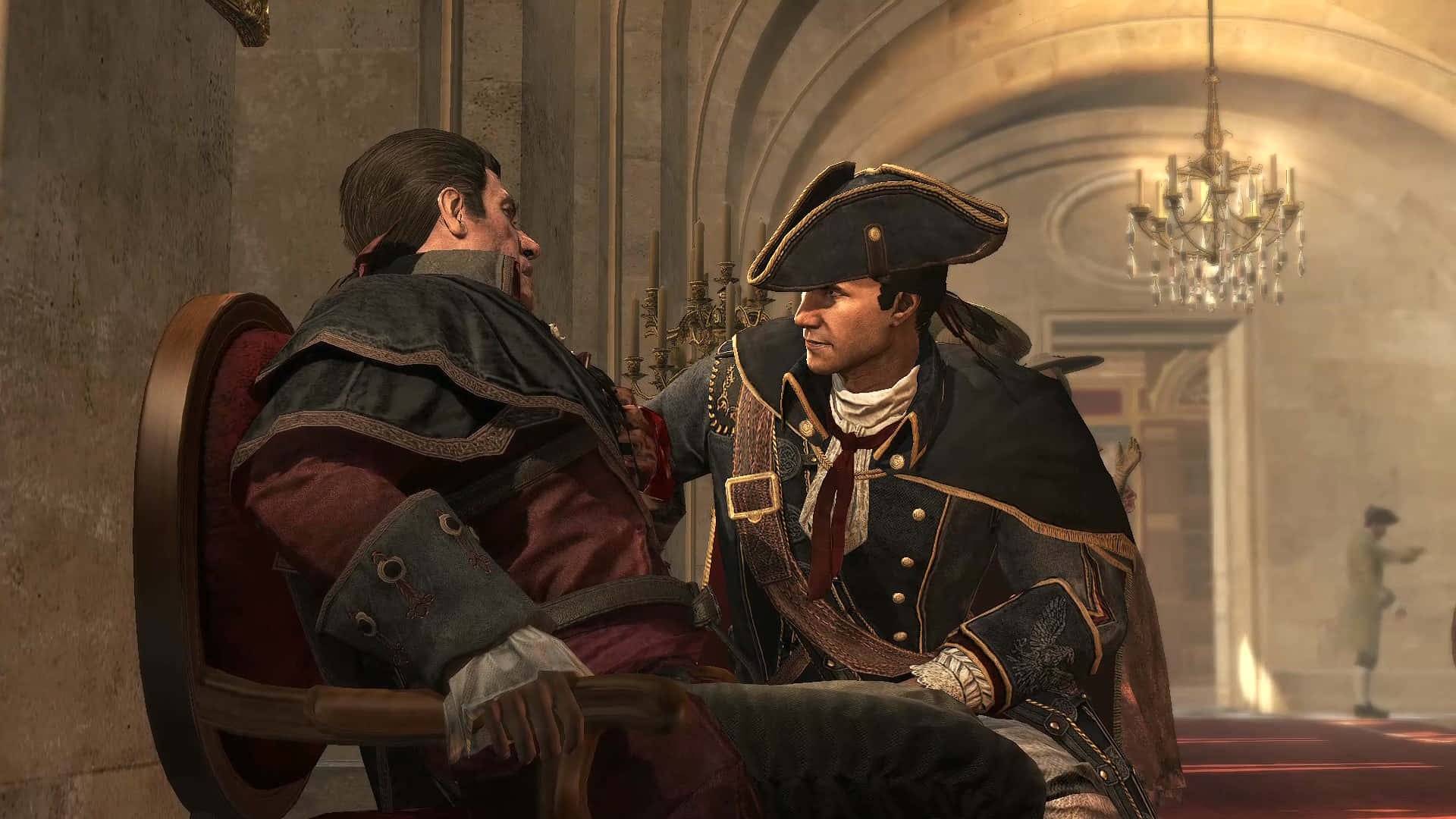
The narrative quality has also suffered in other ways. While modern games often simplify the conflict to a clear-cut battle between good (Assassins) and evil (Templars), the earlier games explored the moral ambiguities between the two factions. In Assassin’s Creed 3, each Templar's dying words challenge Connor's beliefs, prompting the player to question the righteousness of their cause. William Johnson suggests the Templars could have prevented the Native American genocide, Thomas Hickey criticizes the Assassins' idealism, and Benjamin Church argues that perspective shapes reality, with the British viewing themselves as victims. Haytham's attempt to undermine Connor's trust in George Washington further complicates the narrative, revealing that Washington, not Charles Lee, ordered the burning of Connor's village. This complexity leaves players with more questions than answers, enhancing the story's impact.
AnswerSee ResultsReflecting on the franchise's history, it's clear why "Ezio’s Family" from the Assassin’s Creed 2 soundtrack became the series' iconic theme. The PS3-era games, especially Assassin’s Creed 2 and Assassin’s Creed 3, were fundamentally character-driven experiences. The melancholic tones of "Ezio’s Family" were meant to evoke Ezio's personal loss rather than merely the Renaissance setting. While I appreciate the expansive worldbuilding and stunning graphics of the current Assassin’s Creed titles, I yearn for the series to return to its roots with focused, character-centric stories. However, in an industry increasingly favoring vast open worlds and live service models, such a return might not align with "good business" practices.