
With Monster Hunter: World shattering Steam records and Resident Evil enjoying unprecedented popularity thanks to Village and several stellar remakes, Capcom seems unstoppable. However, this wasn't always the case. Less than a decade ago, a string of critical and commercial failures left the company reeling, lost both its direction and its audience.
Capcom suffered a severe identity crisis. Resident Evil, the pioneer of survival horror, lost its edge after Resident Evil 4. Street Fighter, another flagship franchise, stumbled with the poorly-received Street Fighter 5. The company teetered on the brink of collapse.
But a turnaround was on the horizon. A strategic shift in game development, coupled with a powerful new game engine, revitalized beloved franchises and launched a period of critical and commercial success, catapulting Capcom back to the top.
Resident Evil Lost Its Way

2016 was a disastrous year. Umbrella Corps, a poorly-received online co-op shooter, marked a low point for the Resident Evil franchise. Street Fighter 5 disappointed longtime fans, while Dead Rising 4, despite featuring the return of Frank West, proved to be the series' final new entry. This marked the culmination of several years of underwhelming releases since 2010. Mainline Resident Evil titles received diminishing critical acclaim, despite strong sales. Street Fighter struggled, and beloved franchises like Devil May Cry were largely absent. Meanwhile, Monster Hunter, while hugely popular in Japan, struggled to gain significant traction internationally.
This is a stark contrast to the Capcom we know today. Since 2017, Capcom has consistently delivered hit after hit, including Monster Hunter: World, Devil May Cry 5, Street Fighter 6, and several critically acclaimed remakes and a successful Resident Evil reboot. Capcom's recent success is more than just learning from past mistakes; it involved a complete overhaul of their strategy, from target audience to technology.
Capcom, founded in 1979 as a maker of electronic game machines, rose to prominence in the 80s and 90s with 2D titles like Street Fighter and Mega Man, successfully transitioning to 3D with franchises like Resident Evil. Between 2000 and 2010, Capcom successfully modernized many of its classic franchises, culminating in the creation of Resident Evil 4, a game often hailed as one of the greatest ever made.
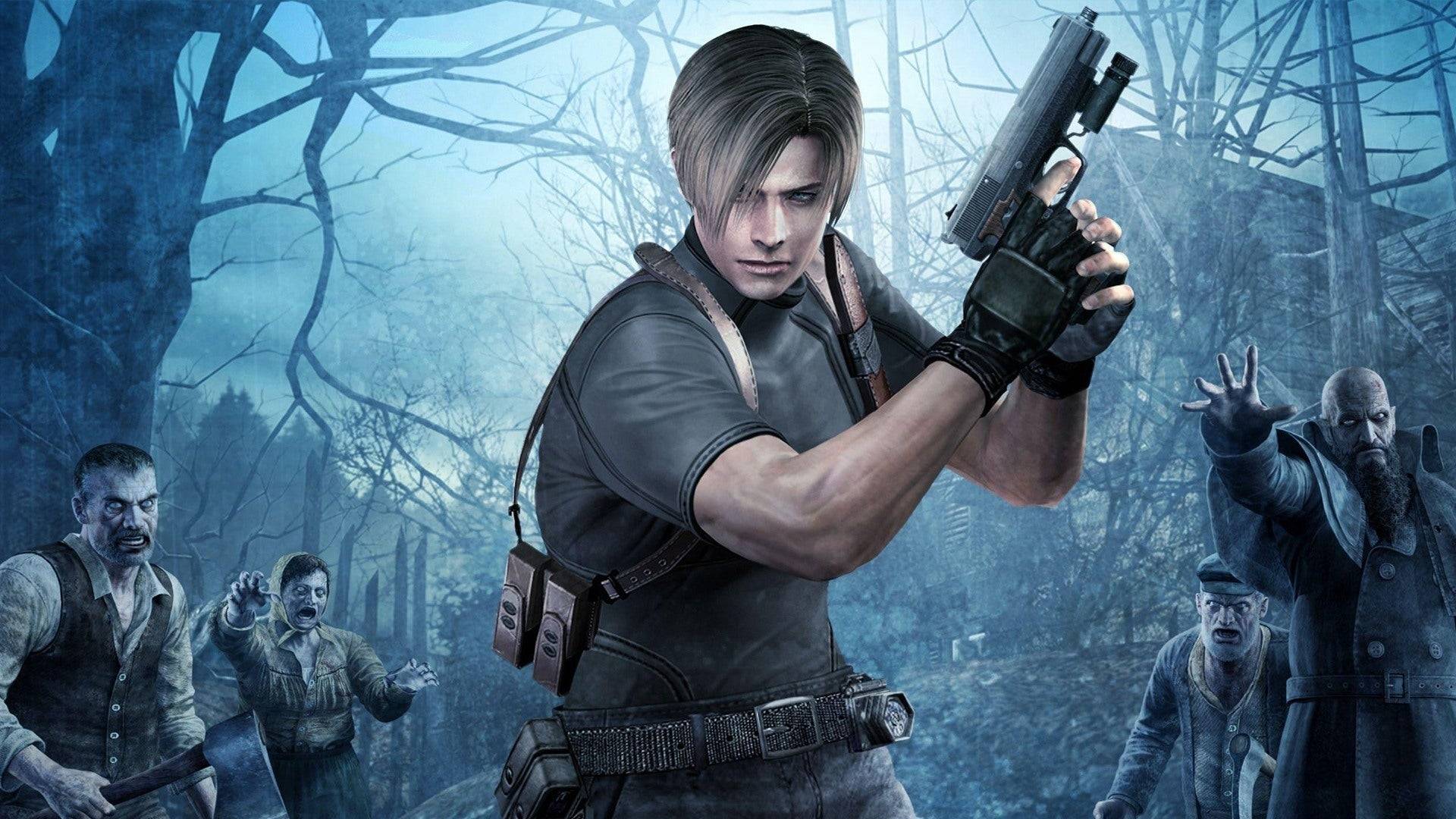
Resident Evil 4 (2005), a masterful blend of horror and action, significantly altered the course of the franchise. While rooted in horror, its effective action sequences shifted the series' balance. This balance was lost in subsequent entries. Resident Evil 5 (2009), for example, featured scenes of unbelievable action that overshadowed the horror elements. This identity crisis was apparent to both players and developers, including Resident Evil 4 remake director Yasuhiro Ampo, who has worked on the series since 1996.
"Throughout the Resident Evil series, we set different goals for each game," Ampo explains. "But this time, we felt that fan expectations were diverging from our creative direction."
This led to games like Resident Evil 6 (2012), which attempted to appease both action and horror fans by splitting the game into multiple storylines and playable characters. This approach failed to achieve a satisfying balance, leaving neither group fully satisfied. Online fan discontent grew as developers experimented with online co-op spin-offs.
This wasn't limited to Resident Evil. Following the success of Street Fighter 4, its sequel, Street Fighter 5 (2016), was criticized for its lack of single-player content and poor online functionality. Fans cited a lack of polish and frustrating game balance.
Other key franchises struggled. Devil May Cry saw diminishing returns, leading Capcom to outsource DmC: Devil May Cry (2013) to Ninja Theory. While gaining cult status, its changes to the lore and protagonist, along with a low frame rate, alienated many fans. New titles like Lost Planet and Asura's Wrath also failed to connect with audiences. While there were bright spots like Dragon's Dogma, Capcom's overall direction seemed unclear.
Change was desperately needed.
Street Fighter 5, The Lost Cause
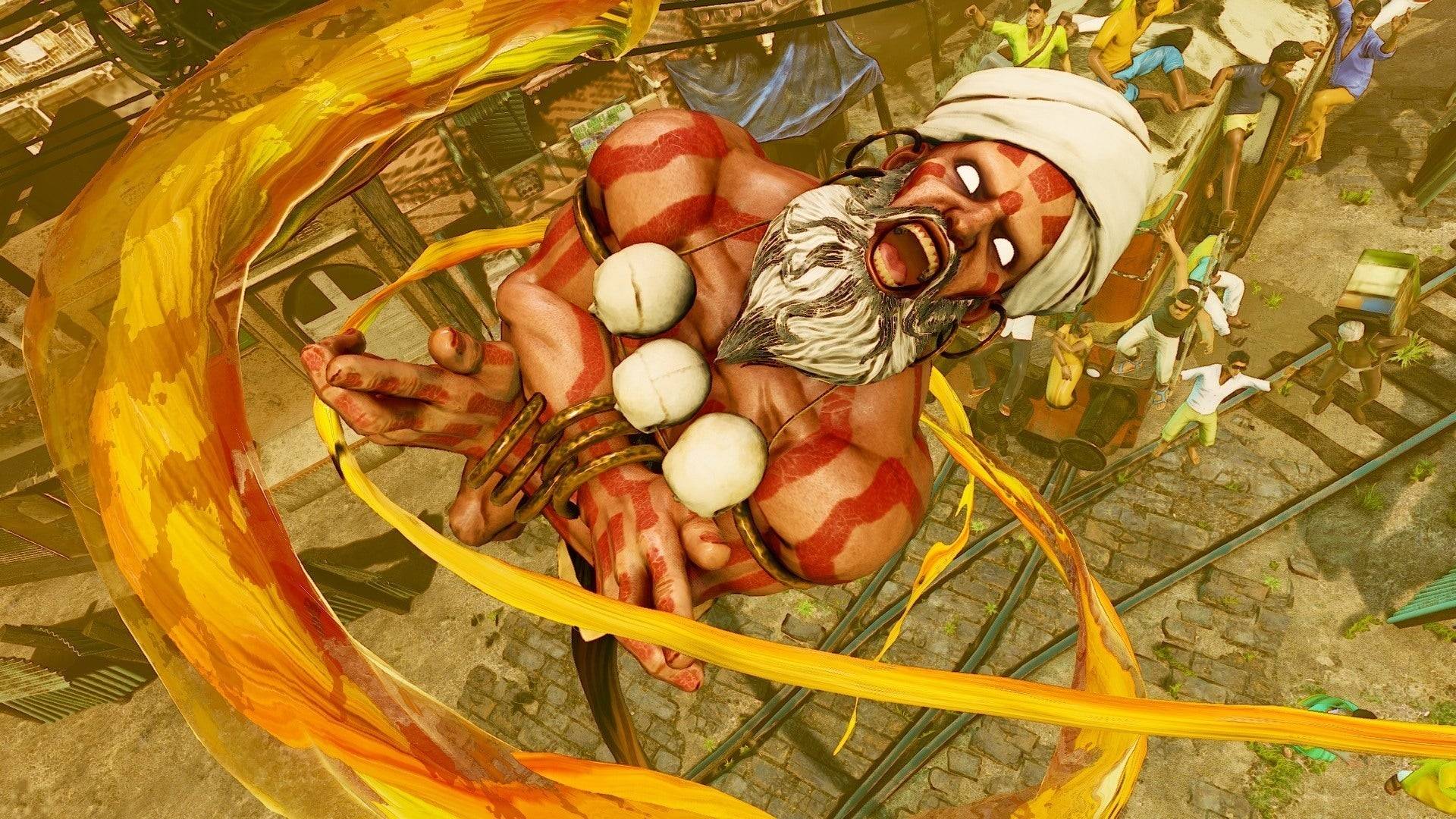
By the mid-2010s, Capcom initiated several strategic changes to alter its course. The immediate priority was addressing the issues plaguing Street Fighter 5. Director Takayuki Nakayama and producer Shuhei Matsumoto were brought in to help salvage the game.
"There were production challenges," Nakayama admits. "We couldn't make major changes, so we had to proceed with the current direction, which limited our options."
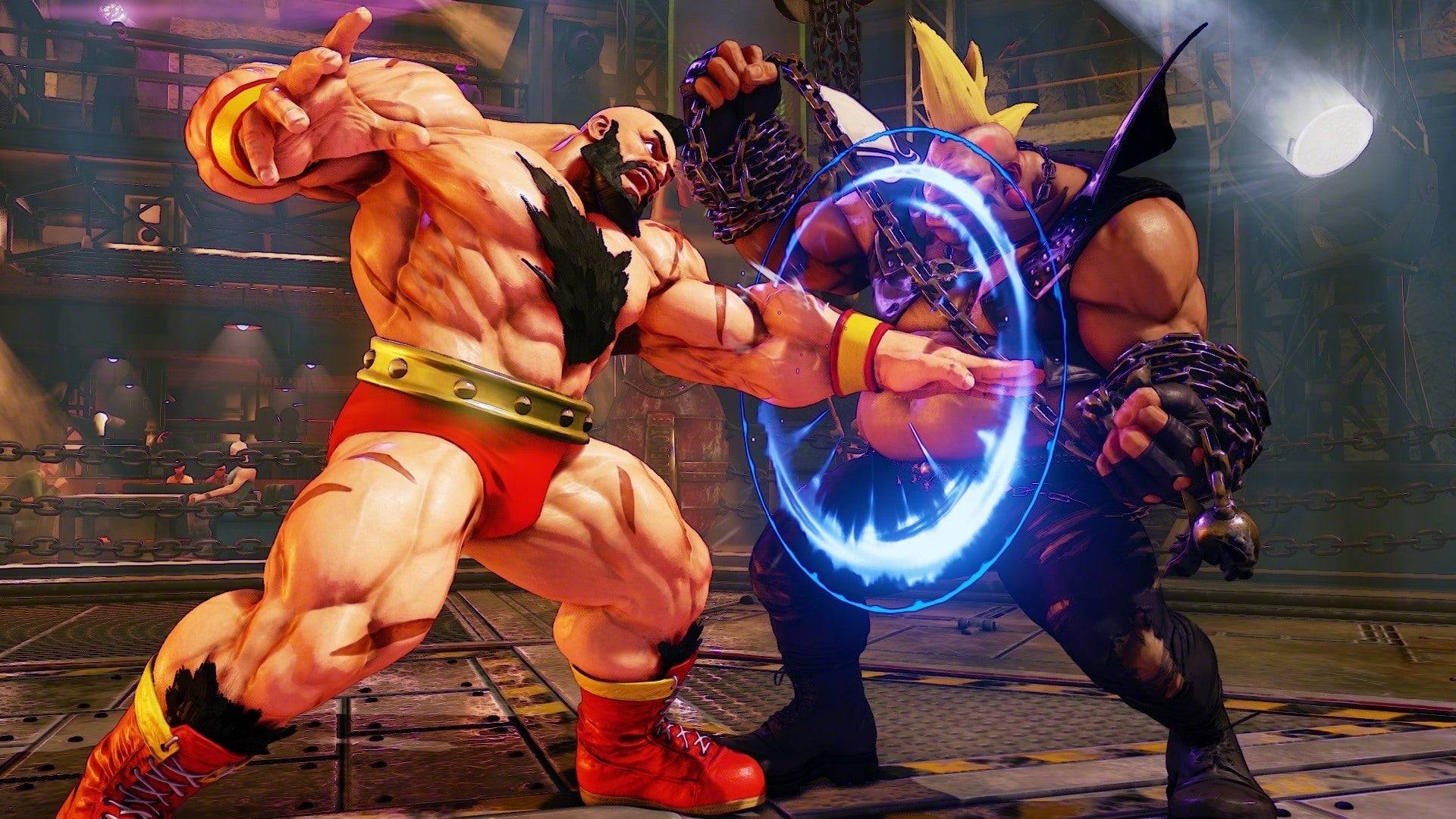
The pair focused on fixing critical issues, delaying more significant changes until Street Fighter 6. Abandoning Street Fighter 5 wasn't an option, according to Matsumoto. "It wasn't about ending Street Fighter 5 and starting Street Fighter 6. We used Street Fighter 5's development as a learning process to inform Street Fighter 6's design."
Street Fighter 5 became a testing ground for new ideas. Numerous updates improved netcode, character balance, and introduced new mechanics, many of which informed the design of Street Fighter 6. The goal was to rediscover the fun, addressing the frustration many players experienced.
"Fighting games are fun, and become more enjoyable with practice," Matsumoto says. "But Street Fighter 5 lacked a clear path to that point."
Instead of simply lowering the difficulty, Street Fighter 6 expanded tools for new players while retaining features experienced players loved. By using Street Fighter 5 as a learning experience, Street Fighter 6 (2023) became one of the most acclaimed entries in the franchise.
To prevent repeating past mistakes, Capcom implemented significant behind-the-scenes changes.
Monster Hunter Took Over The World
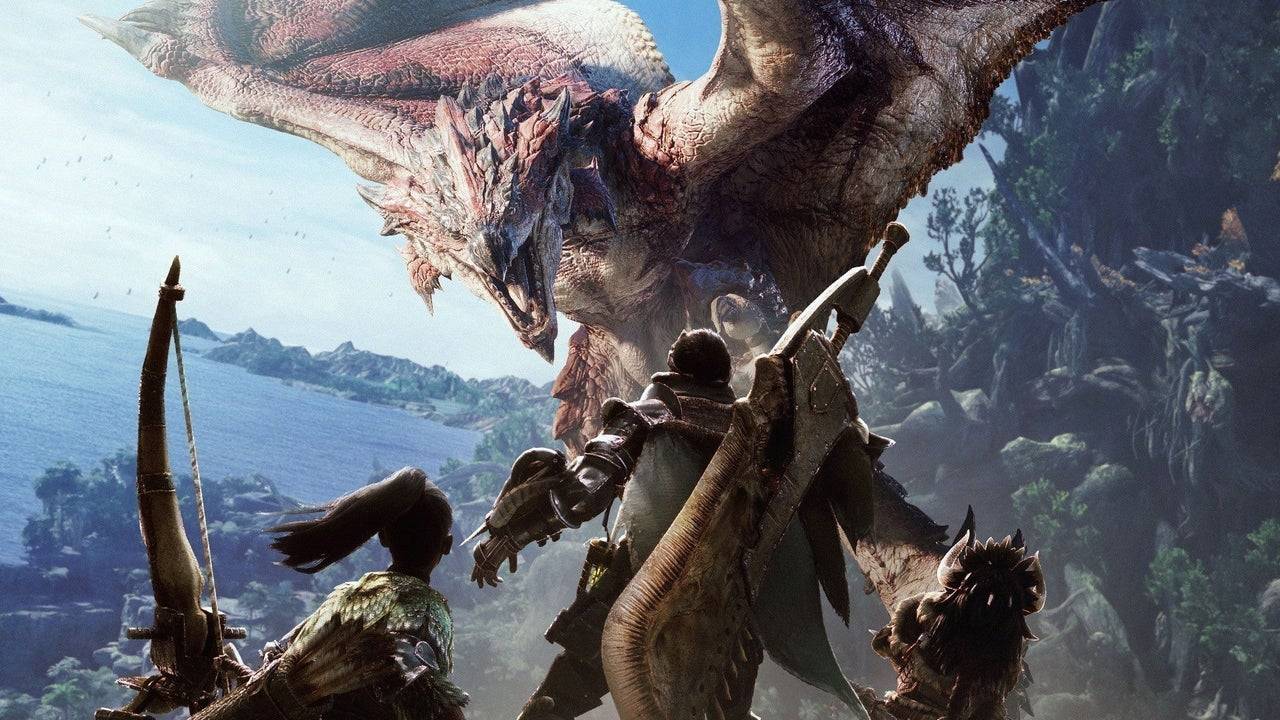
Around 2016, Capcom underwent an internal reorganization to prepare for a new generation of games using the RE Engine, replacing the aging MT Framework. This wasn't just a technological upgrade; it involved a commitment to creating games for a global audience.
"Several factors converged," says Hideaki Itsuno, known for his work on Devil May Cry. "The engine change and a clear goal to create globally appealing games."
Capcom previously focused on the perceived Western market, resulting in titles like Umbrella Corps and Lost Planet, which failed to gain significant traction. The company realized the need to create games appealing to everyone.
"We focused on making good games that would reach a worldwide audience," Itsuno explains.
Monster Hunter exemplifies this shift. While possessing a dedicated Western fanbase, it was significantly larger in Japan. This was partly due to the popularity of handheld consoles in Japan, which facilitated multiplayer gameplay without internet access, crucial for Monster Hunter's cooperative gameplay, according to executive producer Ryozo Tsujimoto.
This created a cycle. Monster Hunter's success in Japan led to region-specific content, further reinforcing its image as a primarily Japanese franchise.
However, with improved internet infrastructure in the West, Tsujimoto saw an opportunity. Monster Hunter: World (2018), released simultaneously worldwide on PS4, Xbox One, and PC, delivered AAA-quality visuals, larger environments, and bigger monsters.
"Calling it Monster Hunter: World was a nod to our intention to appeal to a global audience," Tsujimoto reveals.
Monster Hunter: World avoided region-exclusive content, aiming for global appeal. Playtesting informed design choices, including displaying damage numbers, which proved successful. Monster Hunter: World and its sequel, Monster Hunter Rise, sold over 20 million copies each, a significant increase from previous entries.
"Monster Hunter is at its core an action game," Tsujimoto explains. "We focused on analyzing where players struggled and using that feedback to improve the experience."
Resident Evil 7 Began Turning Things Around
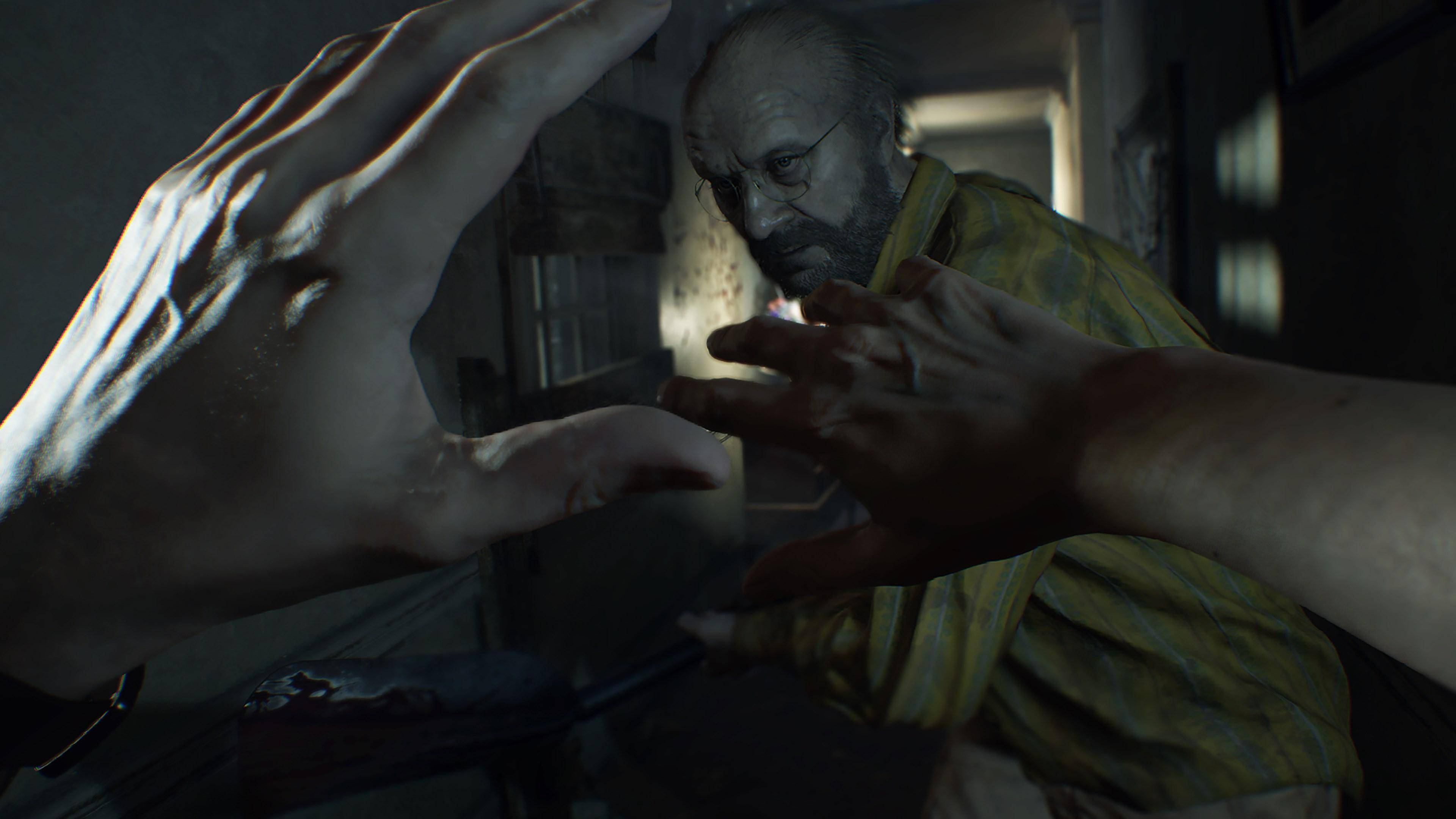
Monster Hunter's success demonstrated a winning formula, but applying it to other franchises required careful consideration. For Resident Evil, the decision was made to prioritize survival horror, according to executive producer Jun Takeuchi.
"Around the time of Resident Evil Revelations 1 and 2, we were experimenting with different approaches," Ampo recalls. "Takeuchi set the direction to return to the series' roots."
Resident Evil 7 (2017), announced at E3 2016, marked a return to survival horror with a first-person perspective, a departure from the series' established third-person formula. This shift successfully brought back the series' horror elements.
"Takeuchi made it clear that the series needed to be scary and focused on survival," Ampo says.
The game's success, while not matching Resident Evil 4, marked a significant return to form. Capcom didn't abandon the third-person perspective, opting to release third-person remakes, starting with Resident Evil 2.
"People really wanted remakes," Ampo reveals. "So Hirabayashi came up with the slogan: 'We'll do it.'"
The Resident Evil 2 remake proved highly successful. The Resident Evil 4 remake followed, despite initial hesitation due to the original's popularity.
"Resident Evil 4 is beloved," Ampo admits. "We were concerned about getting it wrong."
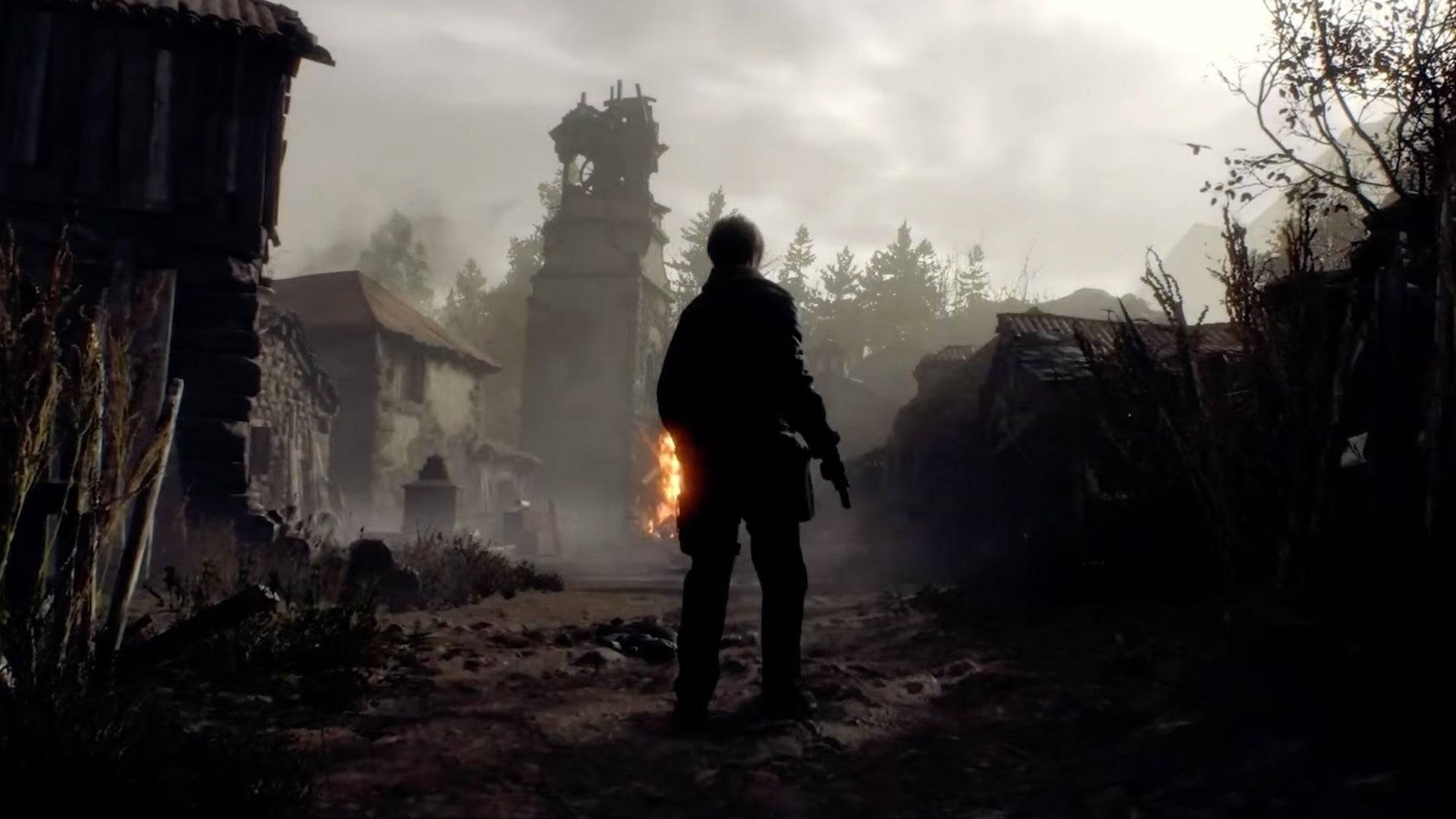
The remake's success stemmed from refining the action-horror balance, emphasizing survival horror elements while maintaining thrilling action sequences. A darker, moodier tone replaced some of the original's campier elements.
Concurrently, Hideaki Itsuno, director of Devil May Cry, observed a trend towards overly accessible action games. Devil May Cry 5 (2019) aimed to challenge players, leveraging the RE Engine's capabilities to create a stylish and challenging experience.
The Reason Behind The Change
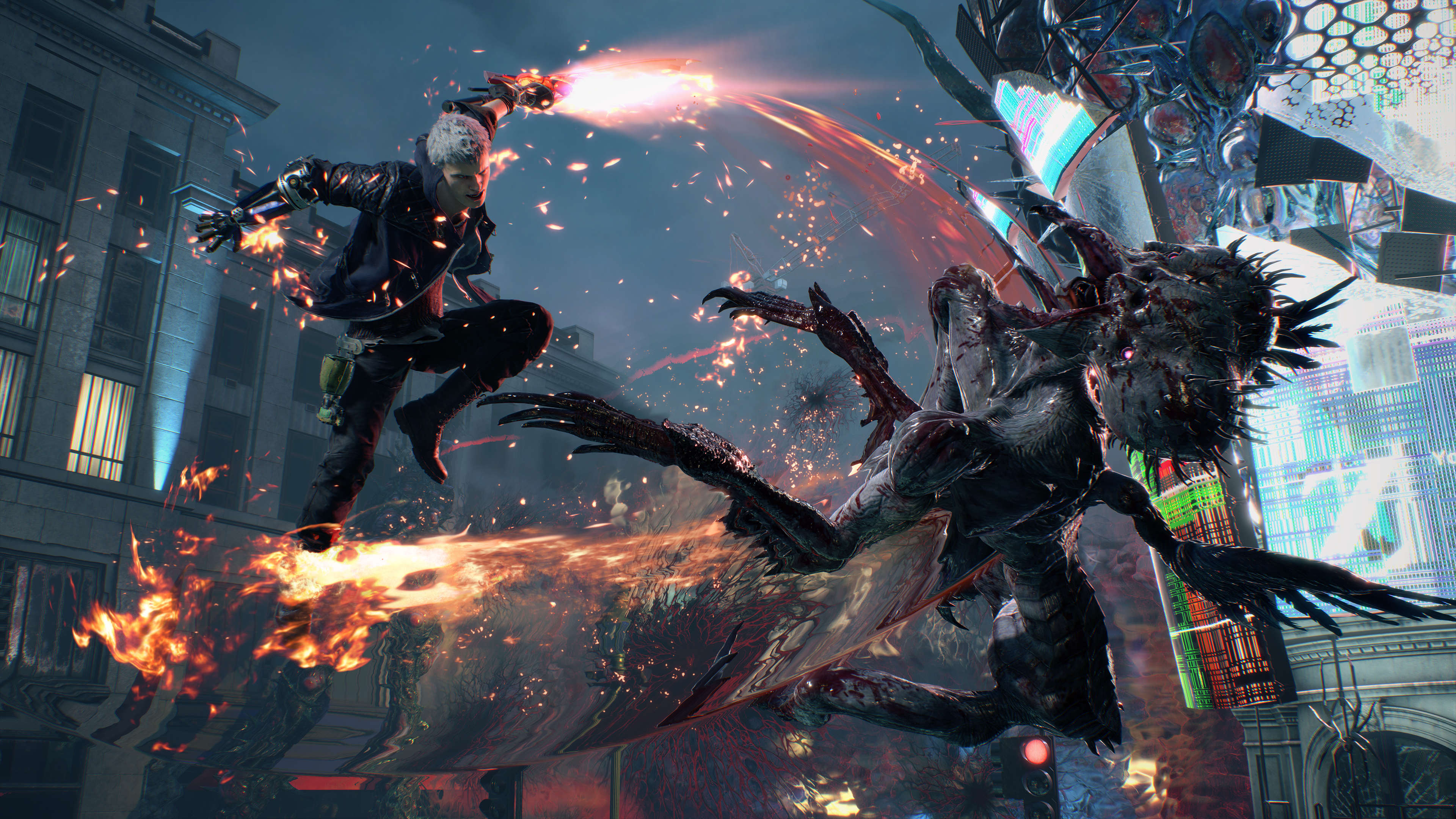
"I felt action games were becoming too easy," Itsuno admits. "Too kind to the players."
Itsuno's 10-year absence from the franchise allowed him to re-evaluate its direction and utilize the RE Engine's capabilities. The engine's photorealistic assets and rapid development tools allowed for greater visual fidelity and quicker iteration.
"The RE Engine was designed for a less stressful development environment," Ampo explains. "Internal development allowed for quick fixes and iteration."
This allowed Itsuno to focus on creating a stylish and challenging game. The RE Engine's combination of tools and visual capabilities enhanced Devil May Cry 5's style.
"Devil May Cry is about being cool," Itsuno says. "I tried to distill everything I considered cool into the game."
A New Capcom Golden Age
Since 2017, Capcom has consistently released critically acclaimed games. This success stems from focusing on creating globally appealing games using the technologically advanced RE Engine. Capcom's ability to seamlessly transition between genres demonstrates their mastery.
This global focus didn't dilute the identity of its franchises; instead, it expanded their reach while maintaining their unique characteristics. Capcom's contemporaries are now facing similar challenges Capcom overcame a decade ago.
When asked about this new golden age, the directors expressed agreement. Nakayama noted the excitement and focus within Capcom, while Tsujimoto expressed a desire to continue this success.