Doom's enduring connection to metal music is undeniable. A single note from any Doom soundtrack, or even a glimpse of its demonic imagery, instantly evokes this. Its signature blend of flames, skulls, and hellish creatures mirrors the aesthetic of bands like Iron Maiden. This symbiotic relationship between Doom's gameplay and its soundtrack has evolved over three decades, mirroring the genre's own transformations. From thrash metal roots, Doom has incorporated various metal subgenres, culminating in the metalcore intensity of Doom: The Dark Ages.
The original 1993 Doom drew heavily from late 80s and early 90s metal giants like Pantera and Alice in Chains. Co-creator John Romero acknowledged their influence, evident in tracks like "Untitled" (E3M1: Hell Keep), which echoes Pantera's "Mouth of War." The overall soundtrack, reminiscent of Metallica and Anthrax, propelled players through Mars's corridors, mirroring the genre's fast-paced, aggressive energy. Bobby Prince's score remains iconic, perfectly complementing the game's intense gunplay.
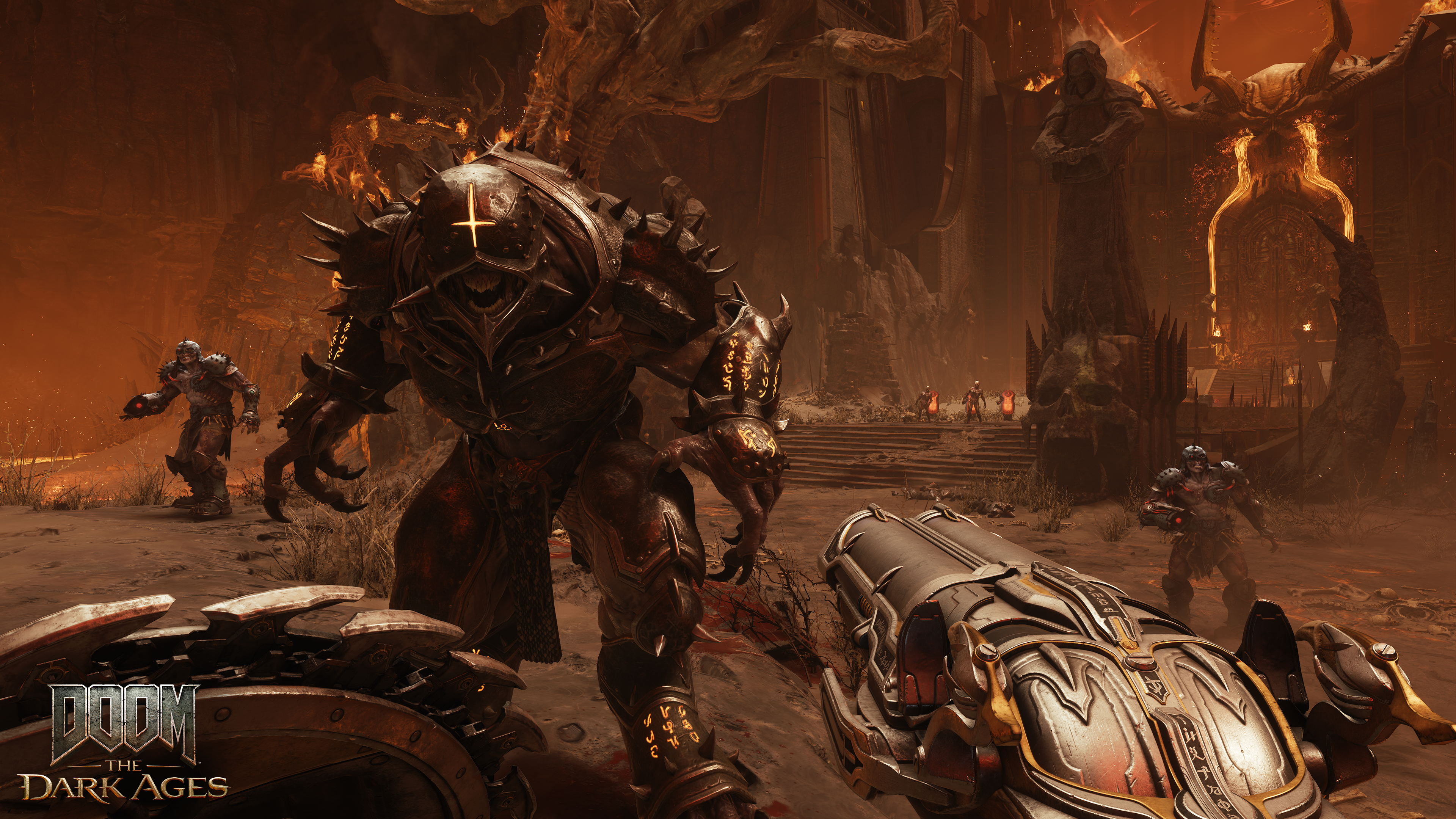
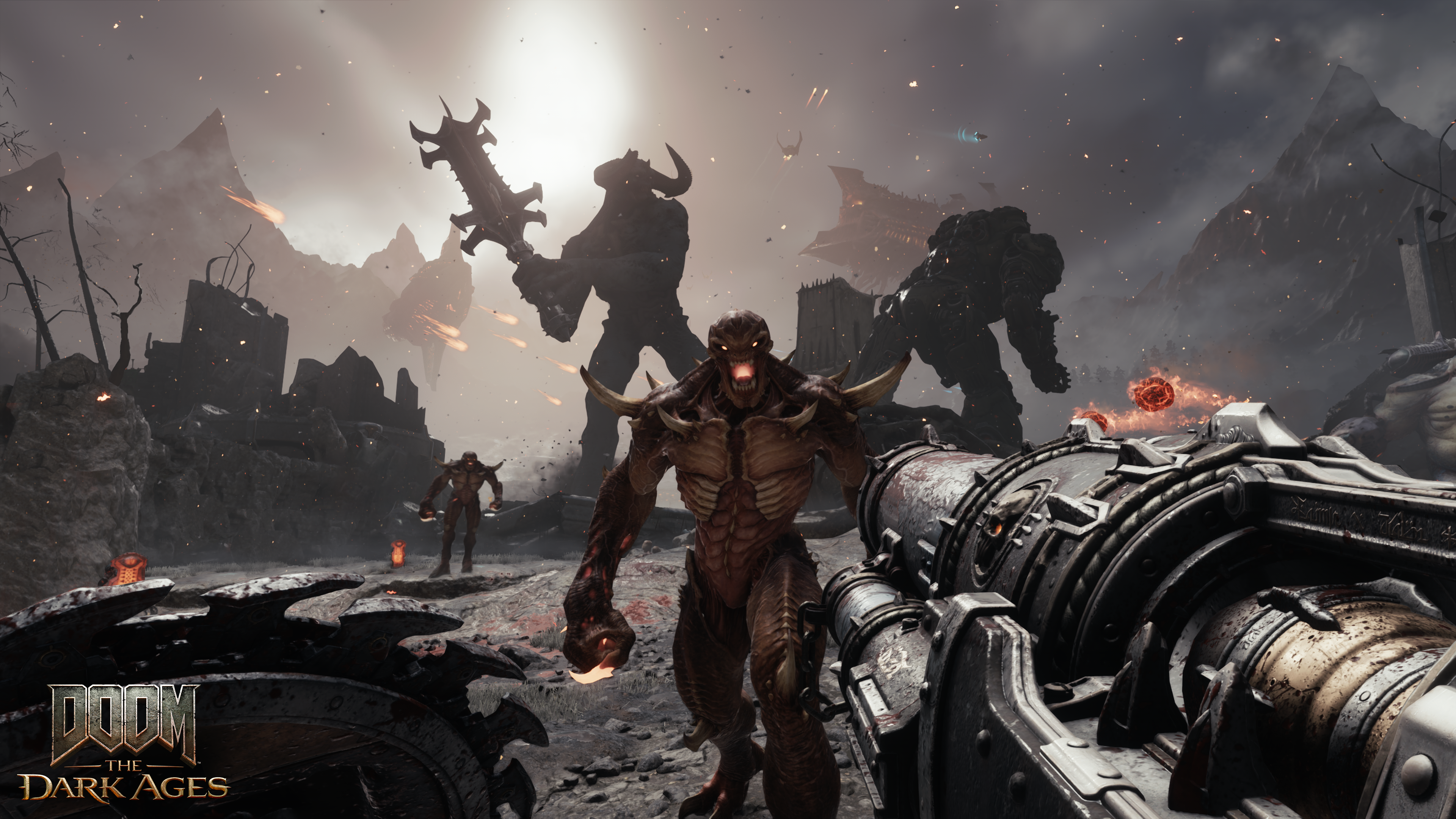
Doom: The Dark Ages - Gameplay Screenshots
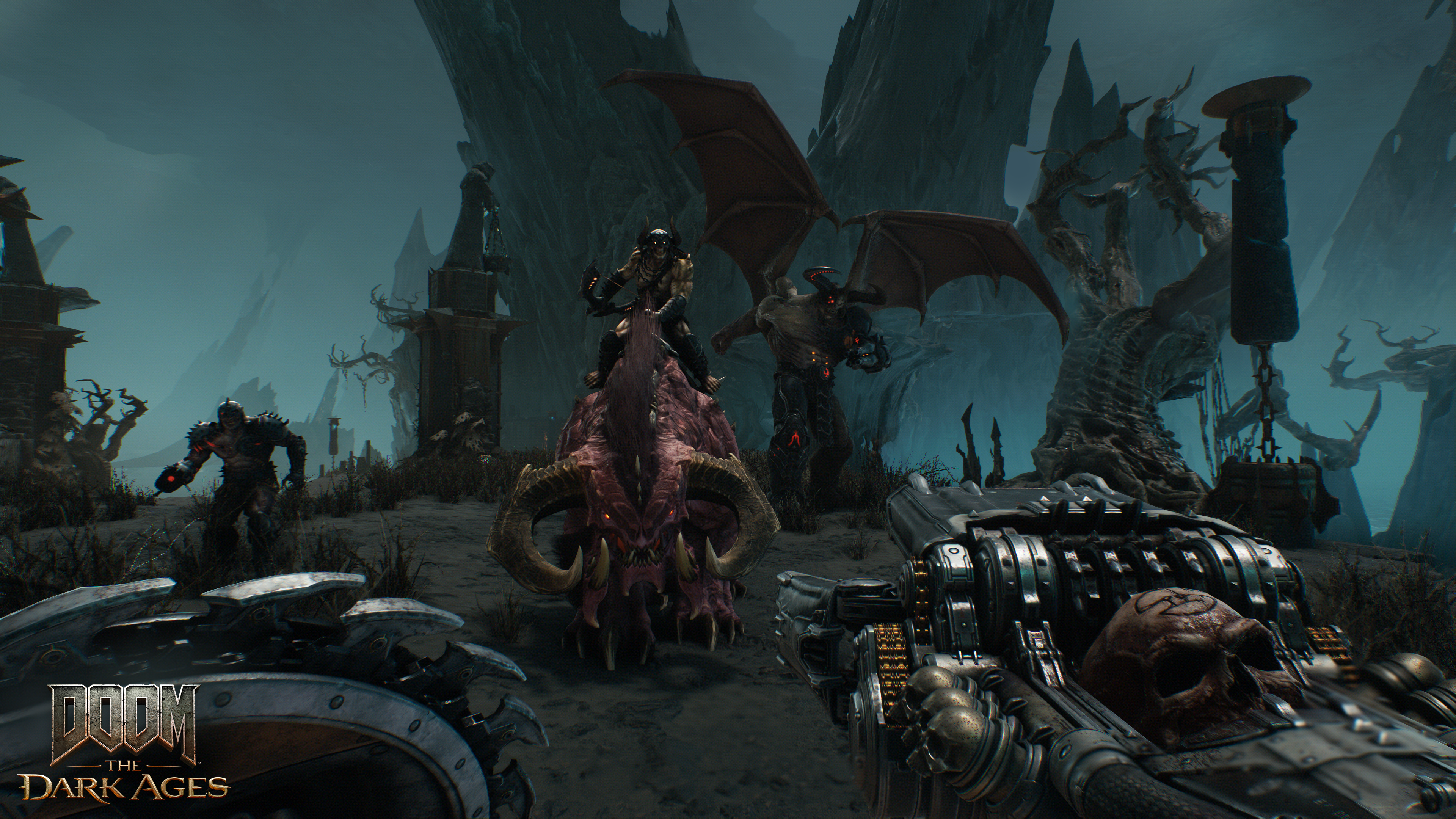
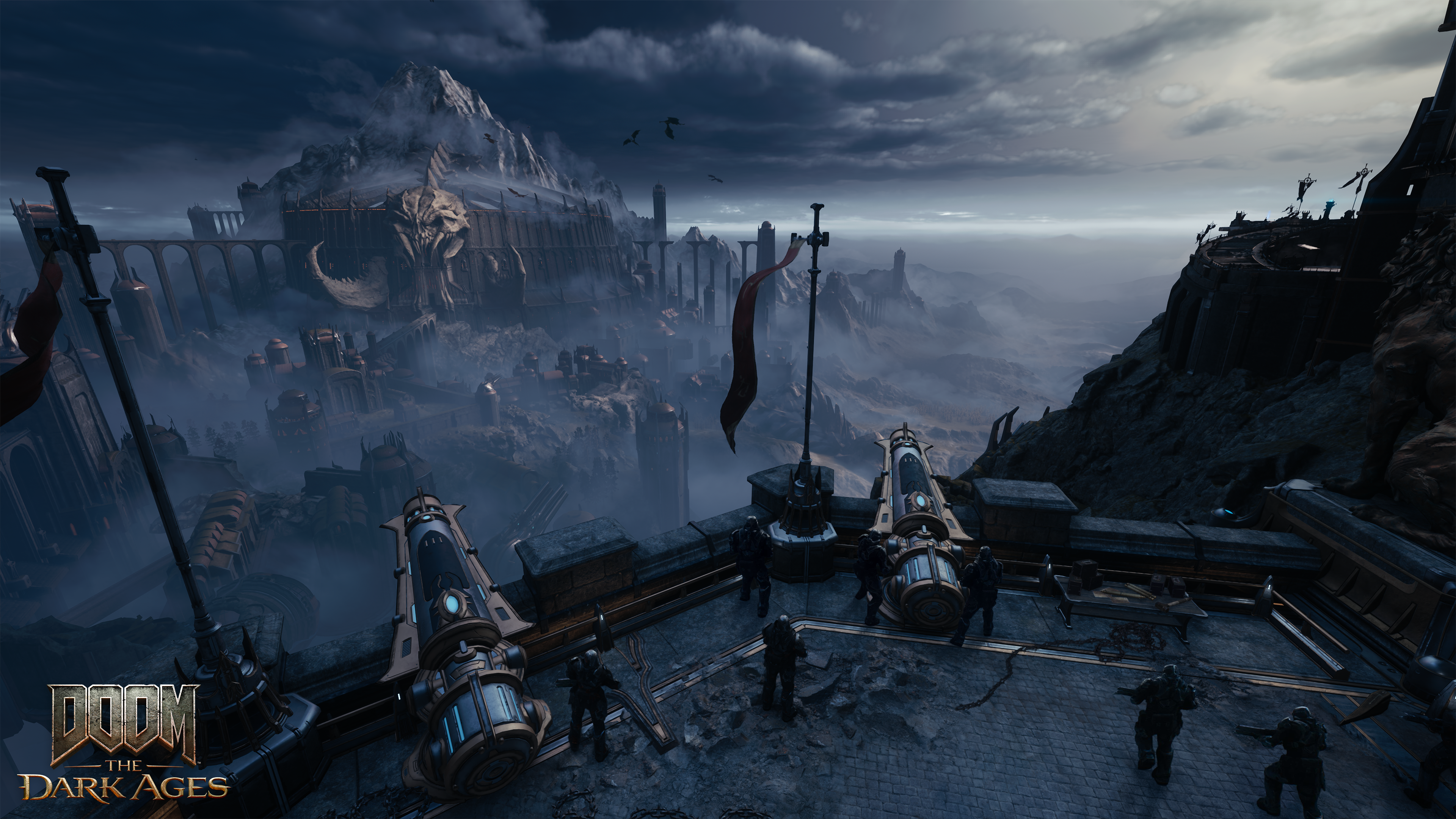
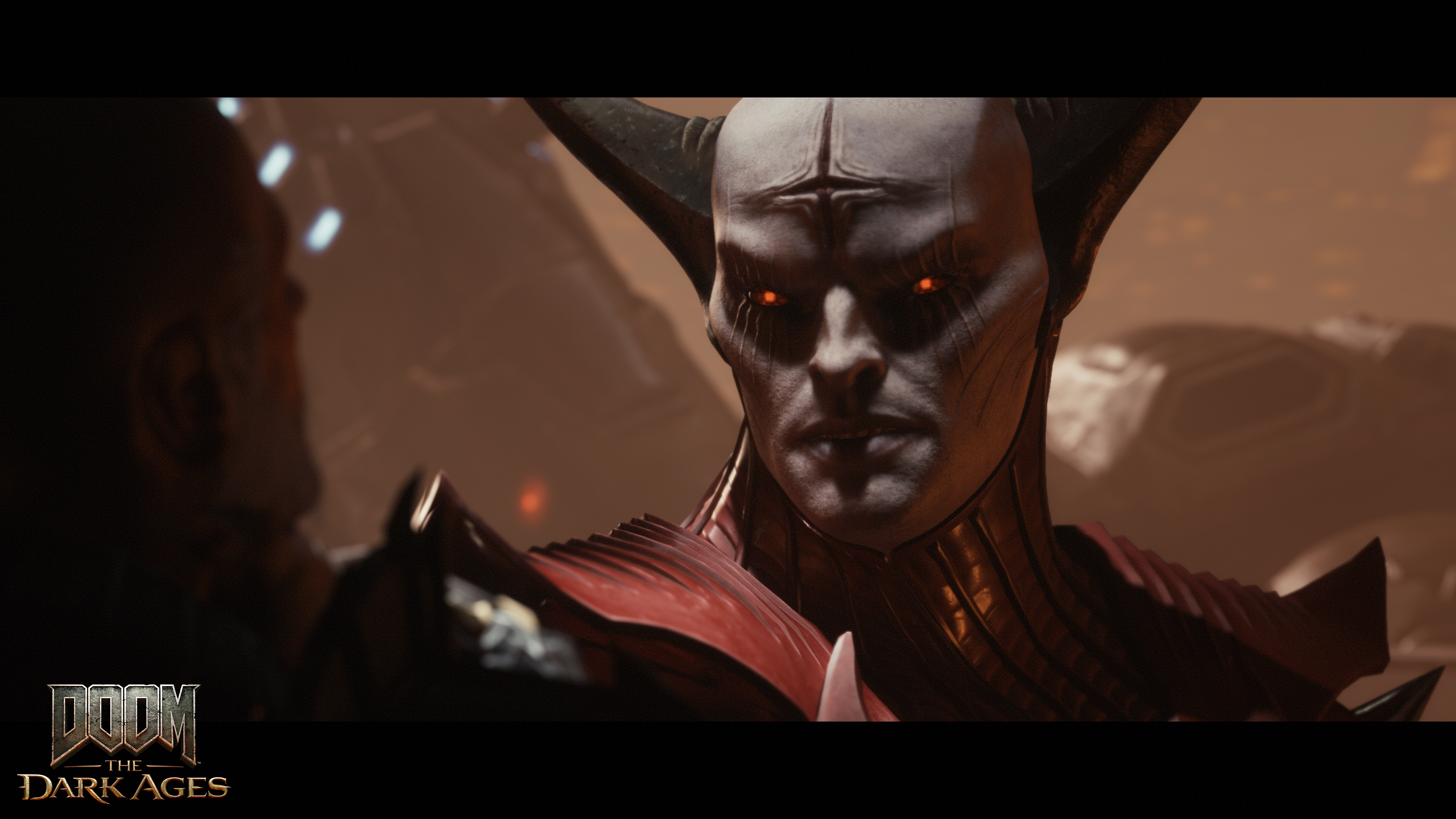
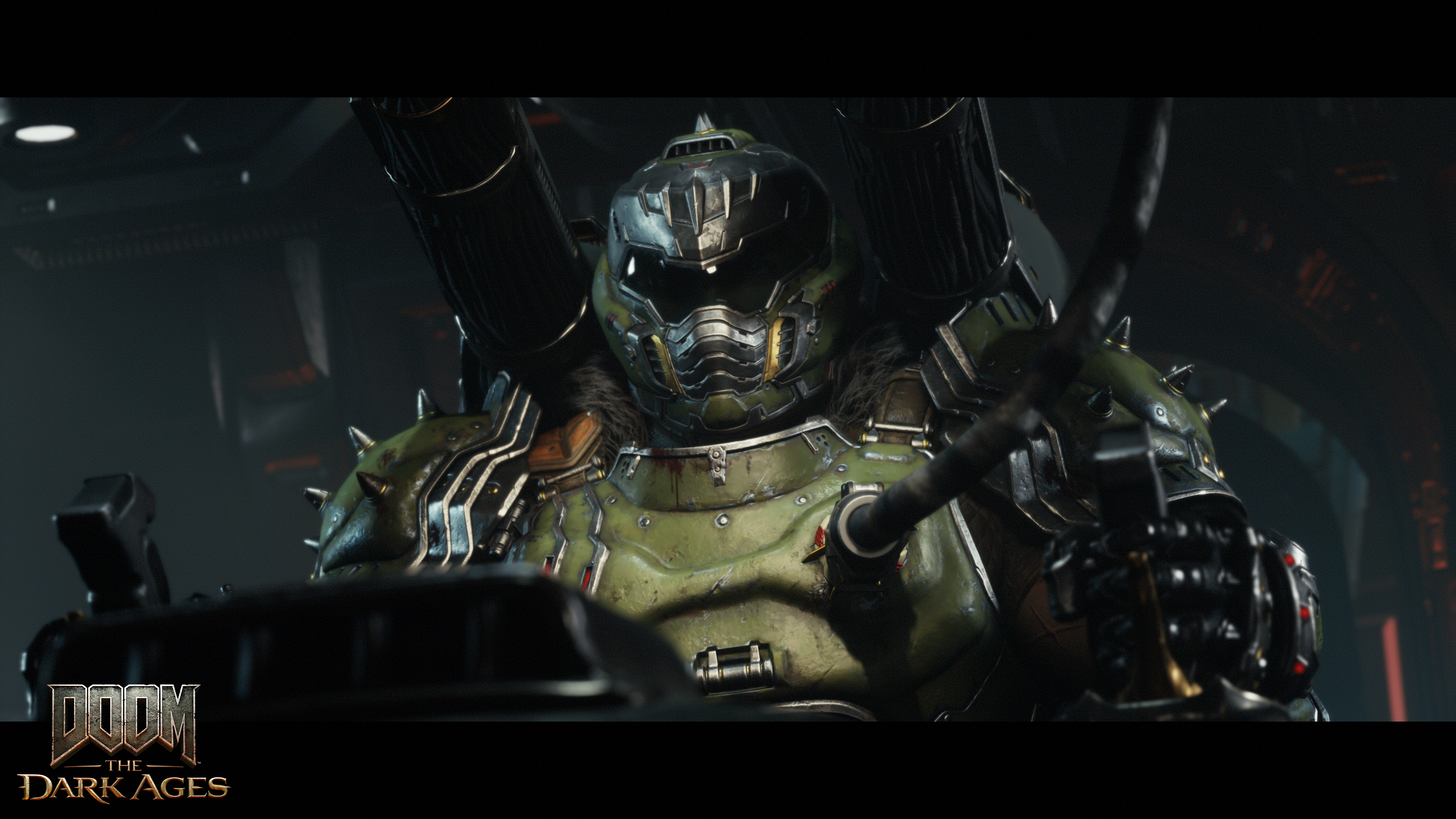
For over a decade, Doom's music maintained a similar high-energy style. Then came 2004's experimental Doom 3. This survival horror-inspired installment took risks, some controversial (like the flashlight mechanic). Its slower pace demanded a different sonic approach. While Trent Reznor's involvement was initially considered, Chris Vrenna (formerly of Nine Inch Nails) and Clint Walsh ultimately composed the soundtrack, drawing inspiration from Tool's atmospheric, complex sound. Doom 3's main theme could easily fit on Lateralus, reflecting the game's darker, more deliberate atmosphere.
Doom 3, while successful, remains an outlier in the series. The early 2000s saw FPS games evolve, with Call of Duty and Halo defining the console shooter landscape. Metal music was also in transition, recovering from the nu-metal explosion. While various influences could have been explored, the Tool-inspired direction proved effective. Doom 3 may not be a classic like Lateralus, but its unsettling soundtrack perfectly matches its tone.
After a development hiatus and the abandonment of a Call of Duty-influenced Doom 4, the 2016 reboot revitalized the series. Directors Marty Stratton and Hugo Martin returned Doom to its roots, emphasizing frenetic action. Mick Gordon's soundtrack, layered with sub-bass and white noise, created a visceral experience, even surpassing the original for some. Doom 2016's djent-influenced score perfectly captured the game's relentless pace. The success of tracks like "BFG Division" raised the question: what next?
Doom Eternal (2020), also featuring Gordon's work, saw a more complex production process. Discrepancies exist regarding his final contributions, but his influence is clear. The soundtrack builds on its predecessor, leaning further into metalcore, reflecting the late 2010s/early 2020s metal scene. The connection to Gordon's work with Bring Me the Horizon and Architects is evident, particularly in Eternal's heavier breakdowns and electronic elements. While still intense, it's slightly less raw than Doom 2016, mirroring the game's added platforming and puzzle elements.
While Doom Eternal is excellent, I personally prefer the raw energy of Doom 2016. This mirrors my preference for Architects' earlier work over their later output. Eternal is undeniably good, but its more refined sound doesn't resonate as deeply. Doom: The Dark Ages presents an intriguing challenge. Its revamped combat requires a soundtrack that matches its intensity while also accommodating its new mechanics.
The Dark Ages' slower pace, featuring a shield-based combat system, encourages direct confrontation. This echoes the original Doom but on a grander scale, with mechs and dragons. The soundtrack, composed by Finishing Move, blends elements of modern heavy metal with influences from classic thrash, reflecting the game's design. The showcased tracks hint at the seismic power of Knocked Loose, while also incorporating thrash-inspired elements reminiscent of the original Doom.
The Dark Ages builds upon previous Doom entries and broader gaming influences. The addition of mythological creatures and mechs expands the series' scope, mirroring the evolution of modern metal. The experimentation found in bands like Bring Me the Horizon parallels the game's design. The game's combat remains central, but the soundtrack plays a crucial supporting role. While only glimpses have been revealed, Doom: The Dark Ages promises a thrilling experience for both Doom and metal fans.