Exploring the Fiery Depths of Monster Hunter Wilds' Oilwell Basin: A Deep Dive into New Monsters
Monster Hunter Wilds introduces the Oilwell Basin, a dynamic locale drastically different from previous environments like the Windward Plains and Scarlet Forest. This new hunting ground, described by director Yuya Tokuda, shifts dramatically depending on the environmental cycle (Fallow, Inclemency, Plenty). During the Fallow, it's a mud and oil-covered wasteland; Inclemency brings fiery eruptions, burning away the oilsilt; and the Plenty reveals underlying minerals and artifacts, transforming the landscape.
Kaname Fujioka, executive director and art director, explains the Oilwell Basin's vertical design, with distinct upper, middle, and lower strata, each possessing unique environmental features and temperature gradients. The lower levels, mirroring underwater volcanic ecosystems, inspired the design of the region's creatures, building on the team's experience creating the Coral Highlands in Monster Hunter: World.
Rompopolo: The Toxic Trickster
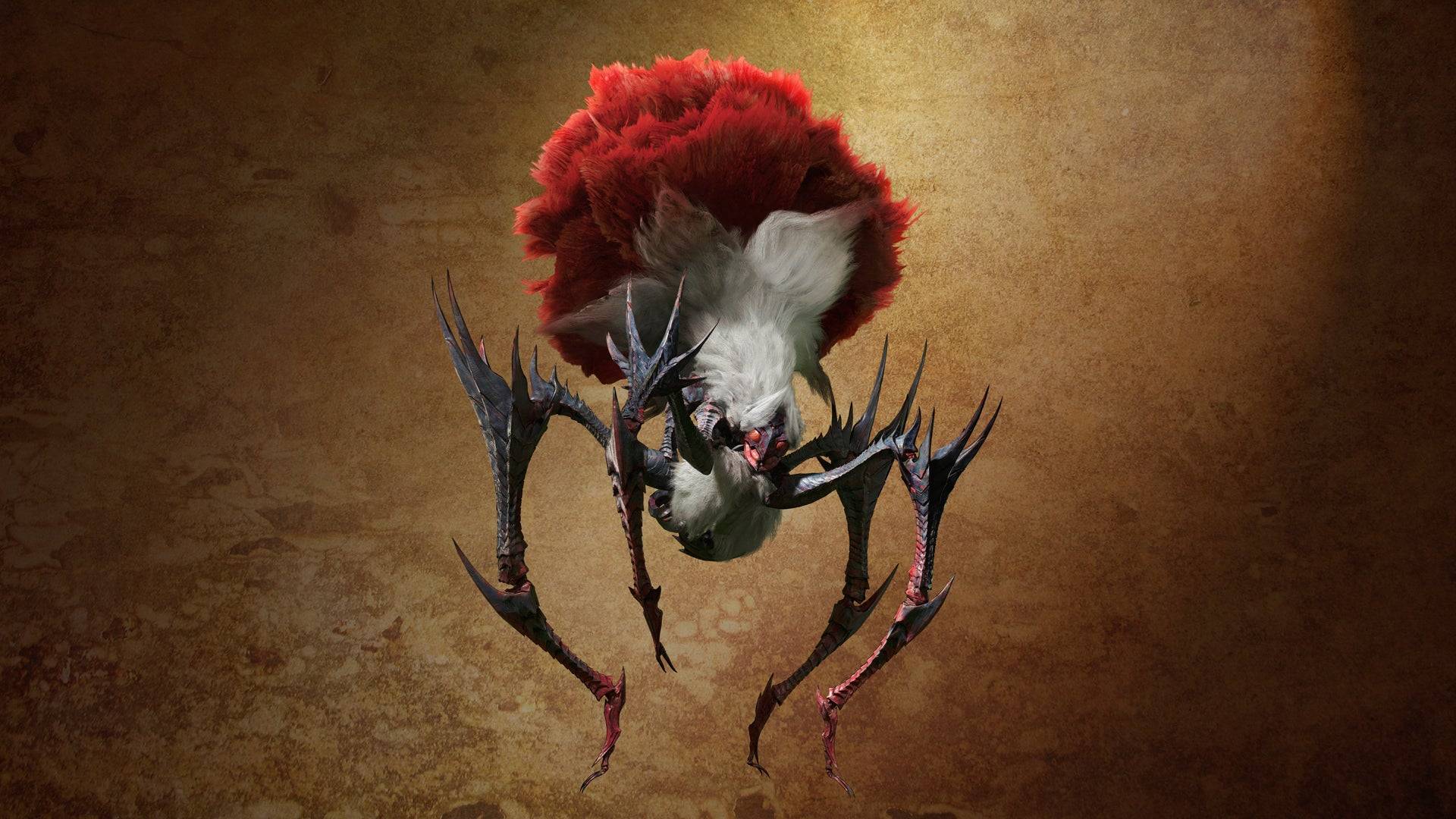
Rompopolo, a globular, noxious monster, was designed with a "mad scientist" aesthetic, featuring a chemical purple hue and glowing red eyes. Its design emphasizes trickery and the use of stored toxic gas, creating chaotic encounters for hunters. Interestingly, its crafted equipment, described as "surprisingly cute" by both developers, offers a humorous contrast to its hazardous nature.
Ajarakan: The Flaming Brawler
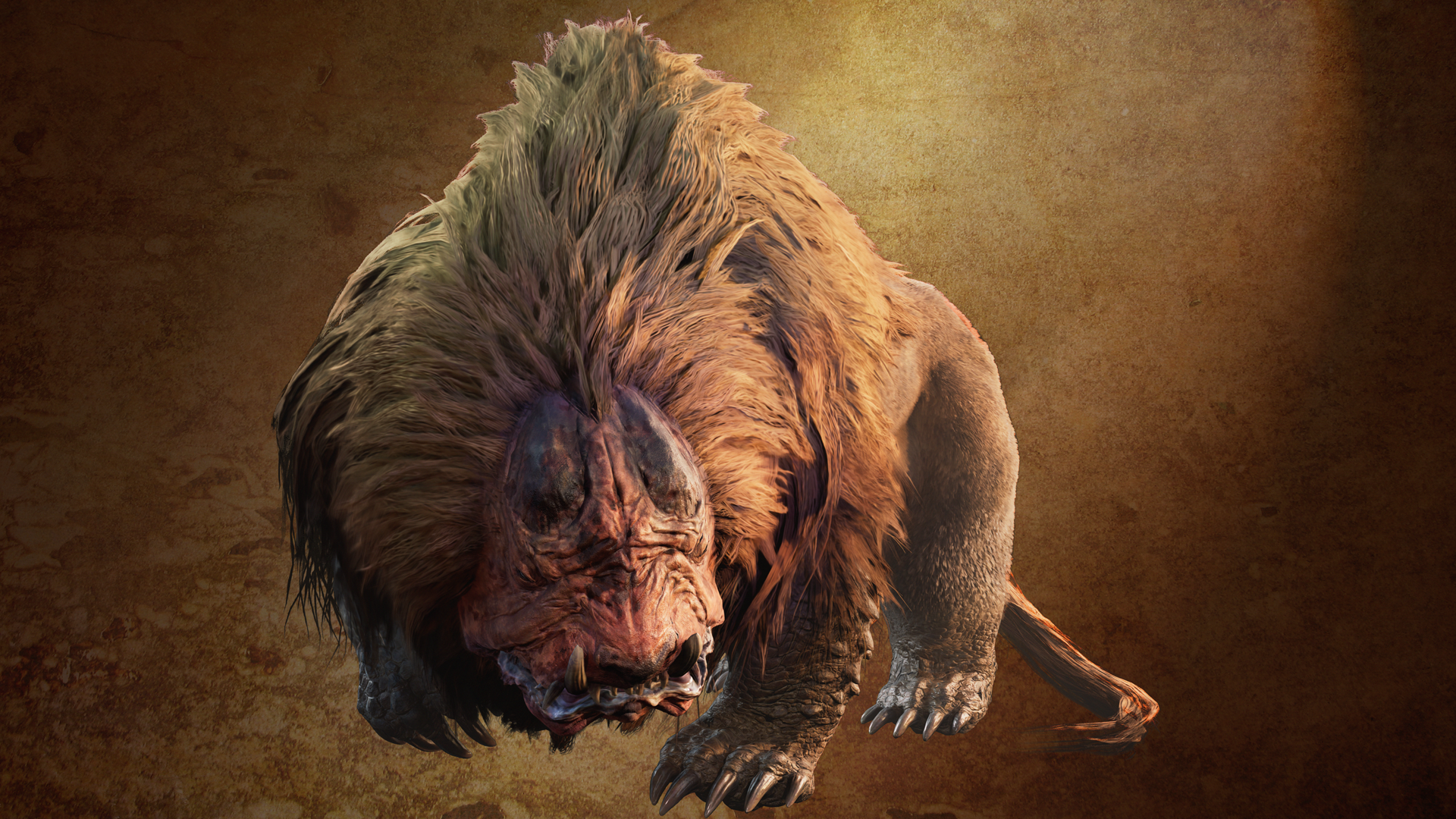
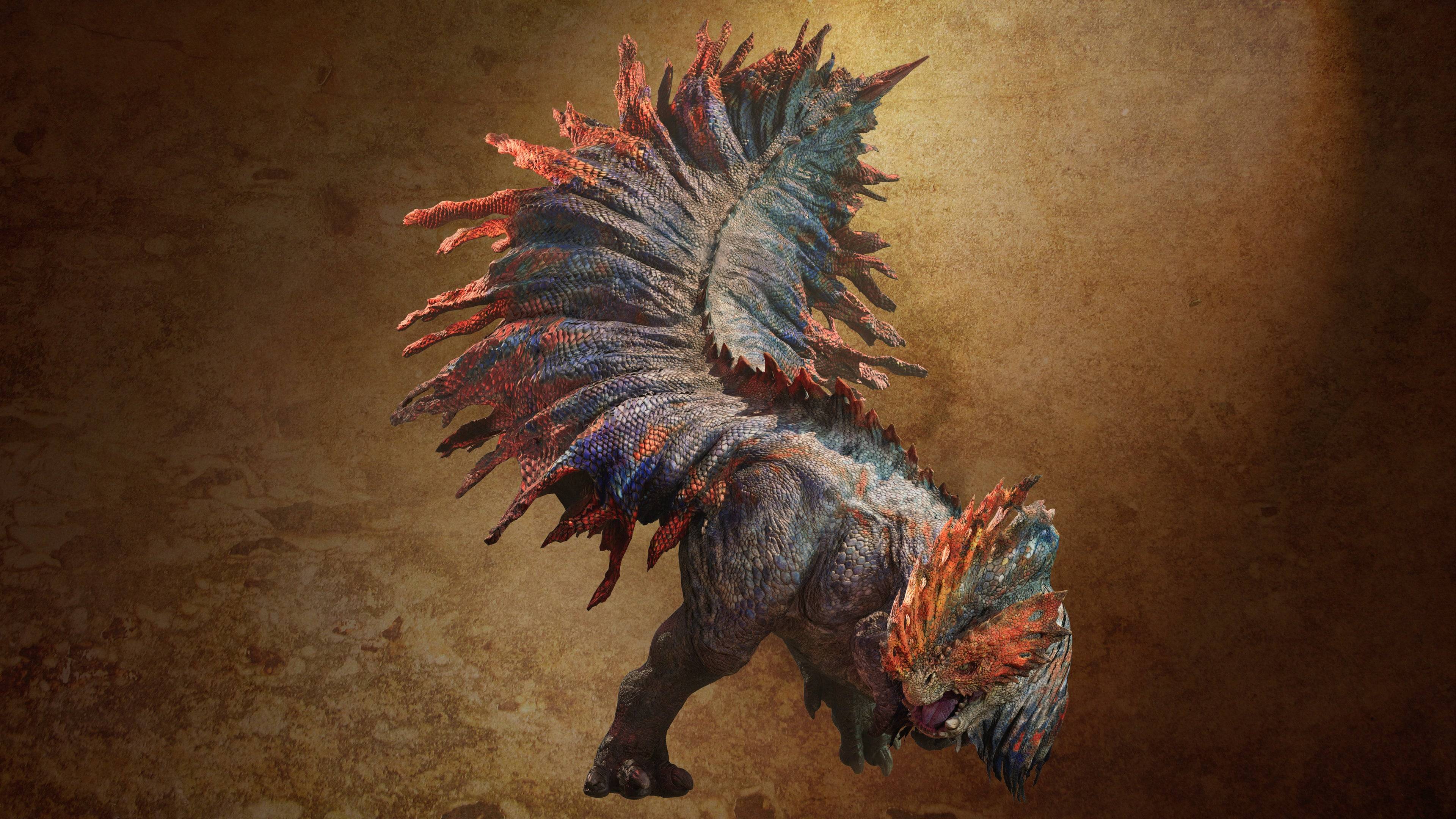
Ajarakan, a towering, flame-wreathed gorilla-like monster, contrasts with the more compact Congalala of the Scarlet Forest. Its design emphasizes straightforward power and physical attacks, complemented by flame-based abilities. The developers consciously created a top-heavy silhouette to enhance its imposing presence and threat level. Ajarakan's moveset, initially conceived as simple, evolved into a flashier display of brute strength as development progressed.
Nu Udra: The Apex Predator
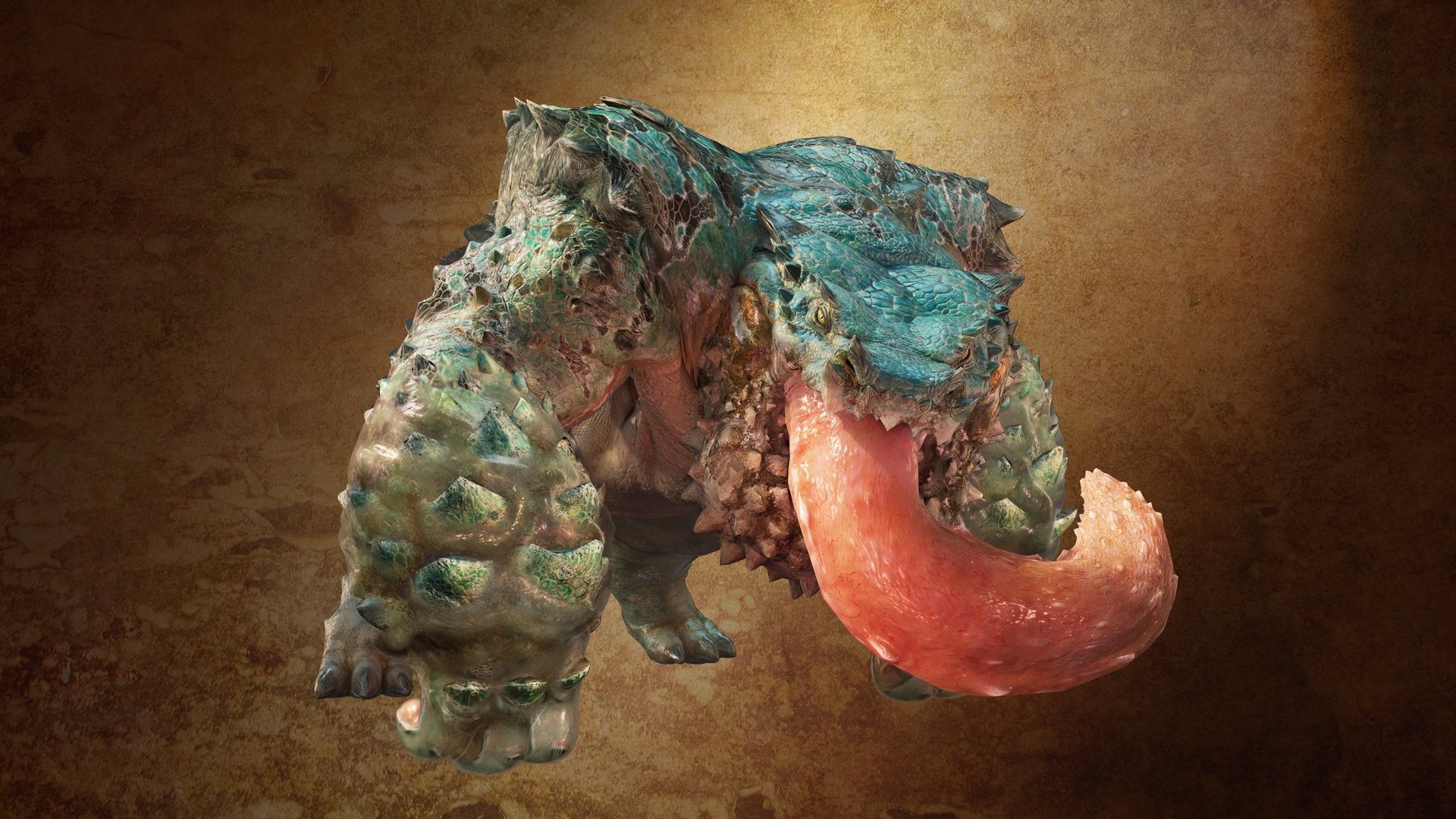
The Oilwell Basin's apex predator, Nu Udra (previously known as "Black Flame"), is a colossal, octopus-like creature coated in flammable oil. Its design draws inspiration from octopuses, featuring a striking silhouette and demonic horns, while intentionally obscuring its facial features. Its movements, inspired by past tentacled monsters like Lagiacrus, present a significant challenge due to its flexibility and ever-shifting body. The developers highlight the technical challenges overcome in creating Nu Udra's fluid animations, including its ability to navigate and conceal itself within the terrain. Its attacks utilize a unique tempo, combining focused strikes with area-of-effect attacks, and its sensory organs emit light to indicate its targets. Flash Bombs are ineffective against it due to its reliance on other senses.
Gravios' Return
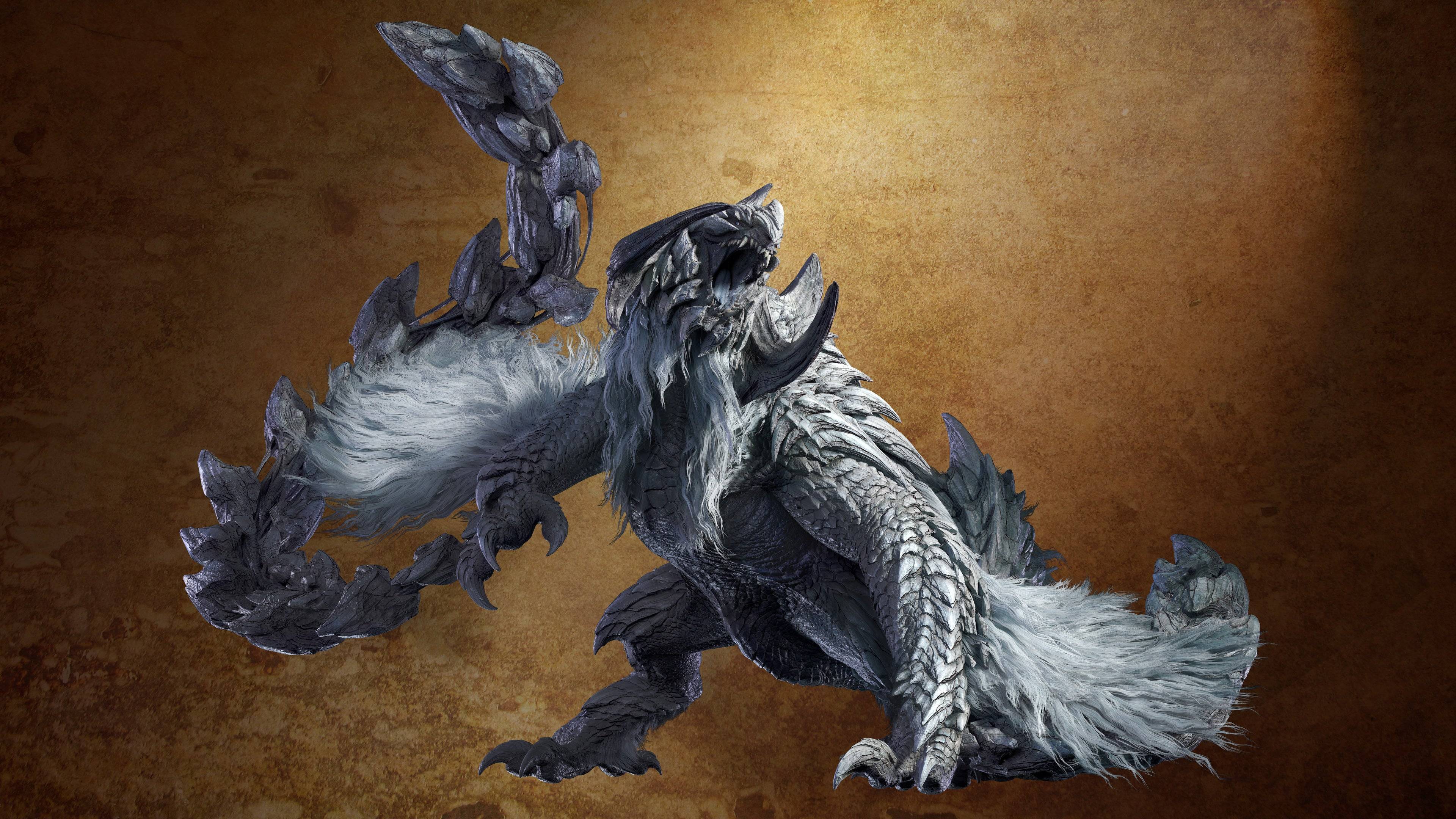
The Oilwell Basin also marks the return of Gravios, last seen in Monster Hunter Generations Ultimate. Its hard, rocky carapace and emission of hot gas make it a fitting inhabitant of this fiery environment. The developers emphasized retaining Gravios' signature hardness while also designing it as a late-game challenge, requiring hunters to utilize the wound system and part-breaking mechanics to overcome its defenses.
The Legacy of Monster Design
The interview reveals the Monster Hunter team's dedication to innovative monster design, drawing on past concepts and pushing technological boundaries. The creation of Nu Udra, with its complex tentacle movements and interactions with the environment, represents a significant achievement, showcasing the team's commitment to creating memorable and challenging encounters. The inclusion of Gravios highlights the team's thoughtful approach to bringing back classic monsters, ensuring they remain fitting and challenging within the context of the new game.