Tempest Rising: A Nostalgic RTS Experience That Delivers
From the moment I launched the Tempest Rising demo, I was hooked. The opening cinematic, complete with cheesy dialogue and a memorable soundtrack, instantly transported me back to my high school days, fueled by late-night Command & Conquer sessions. The game's UI, units, and overall feel are a masterful throwback, offering a nostalgic yet refined RTS experience. Whether battling bots in Skirmish or facing off against human opponents in Ranked Multiplayer, Tempest Rising felt instantly familiar and incredibly fun.
This nostalgic appeal is intentional. The developers aimed to create a modern RTS game that captures the essence of 90s and 2000s classics, while incorporating modern quality-of-life improvements. Set in an alternate 1997, following a devastating World War 3 sparked by the Cuban Missile Crisis, the game introduces a unique resource mechanic centered around energy-rich, post-apocalyptic flora.
Tempest Rising Screenshots

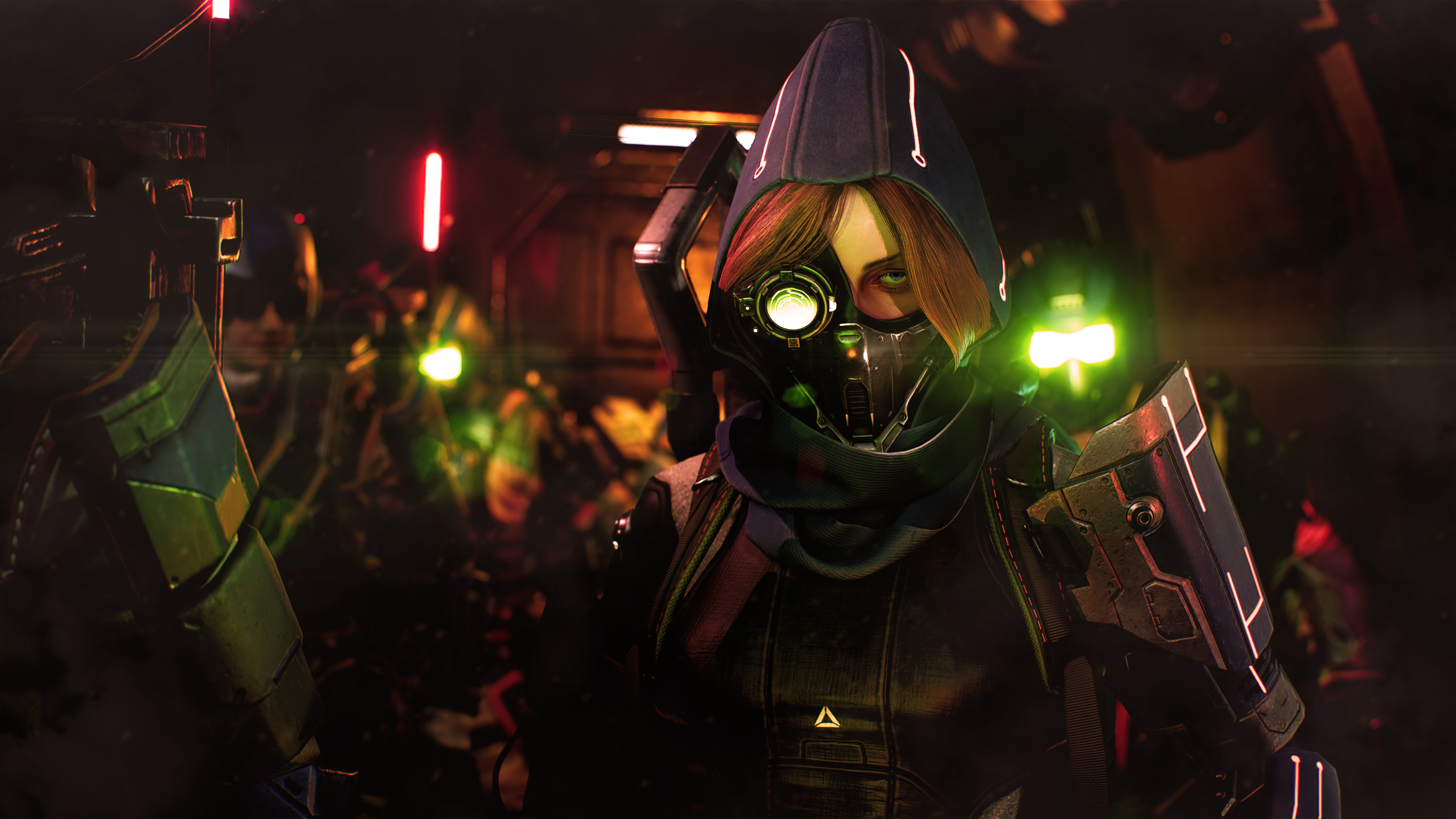 8 Images
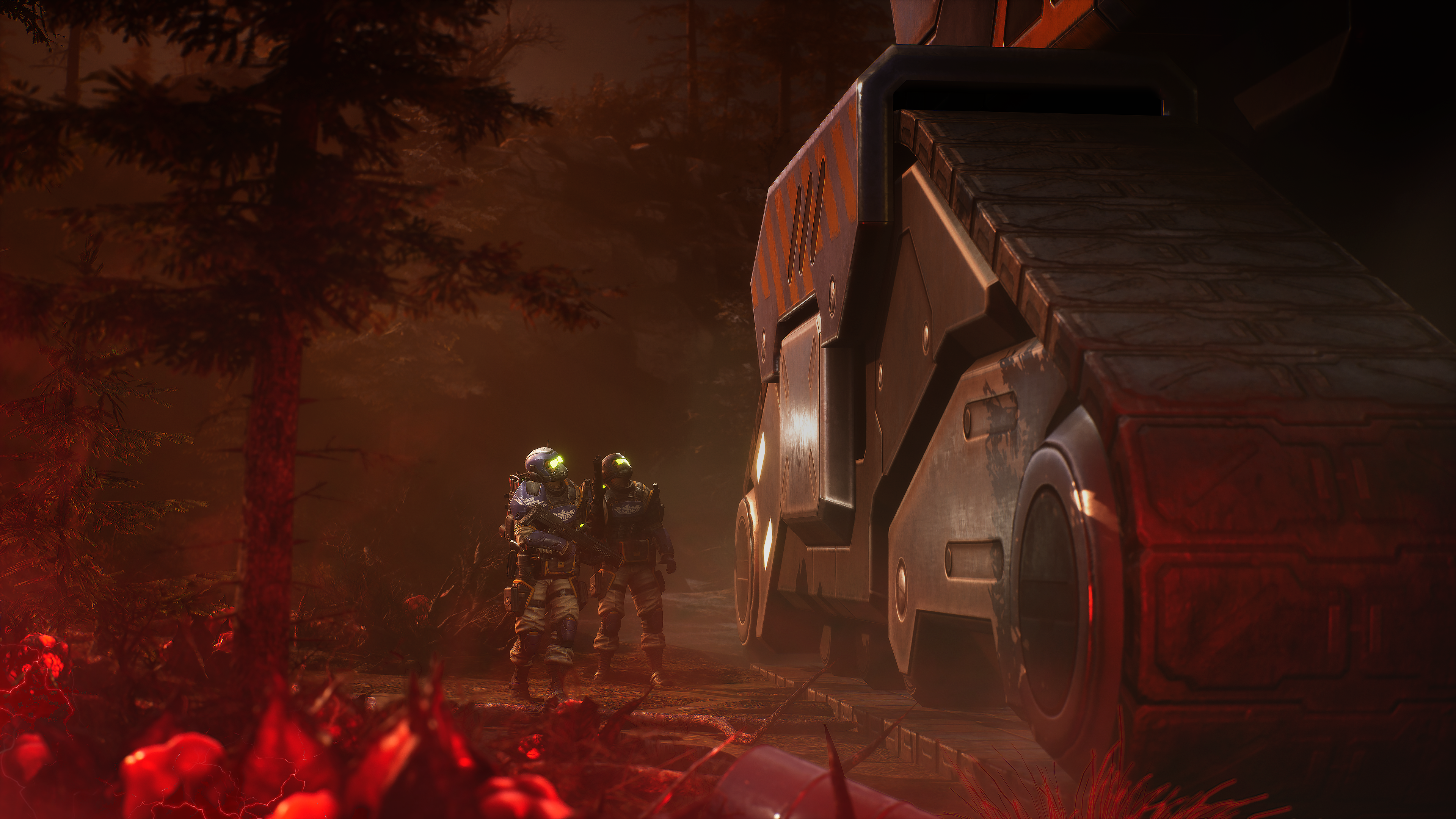
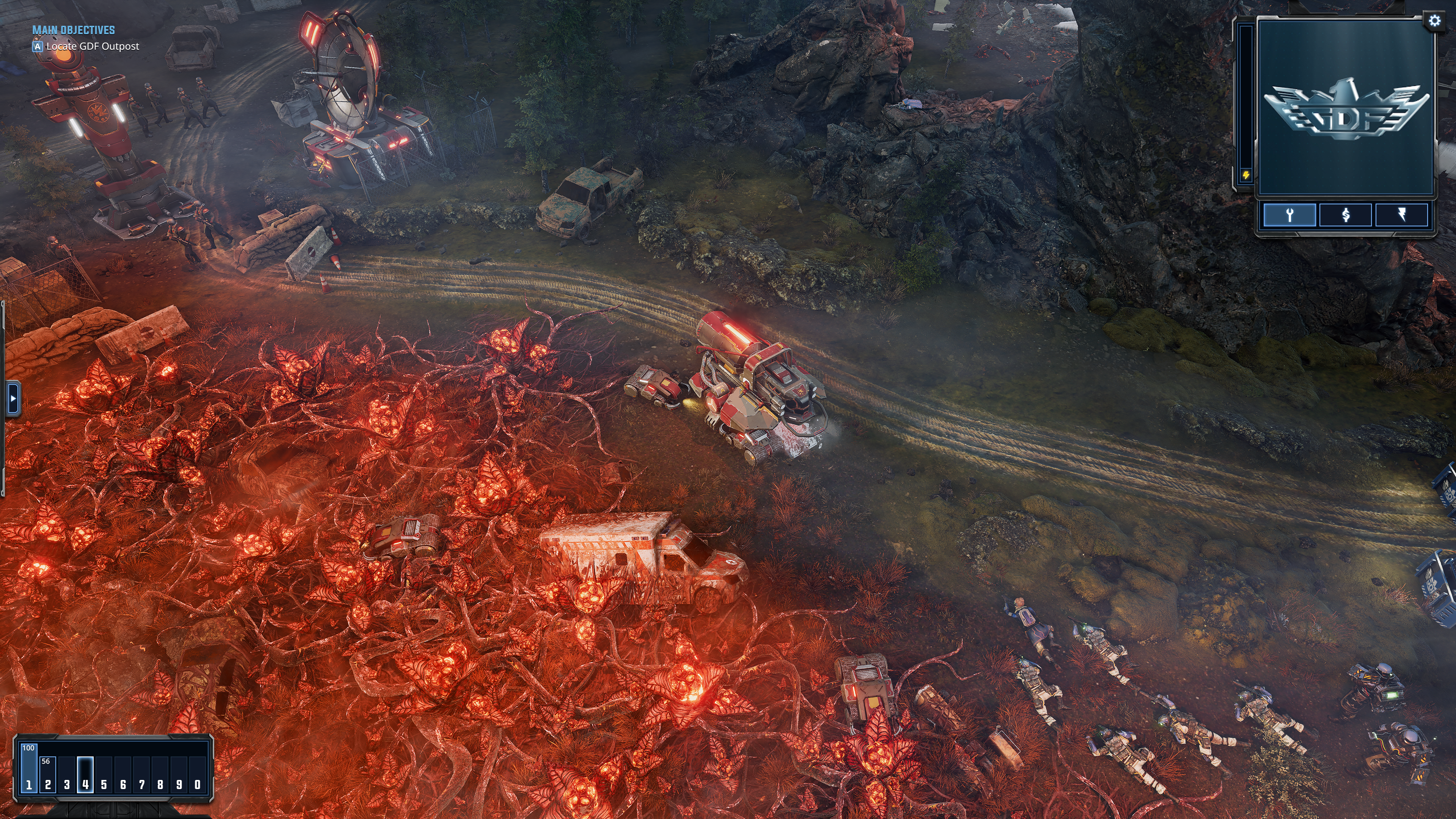
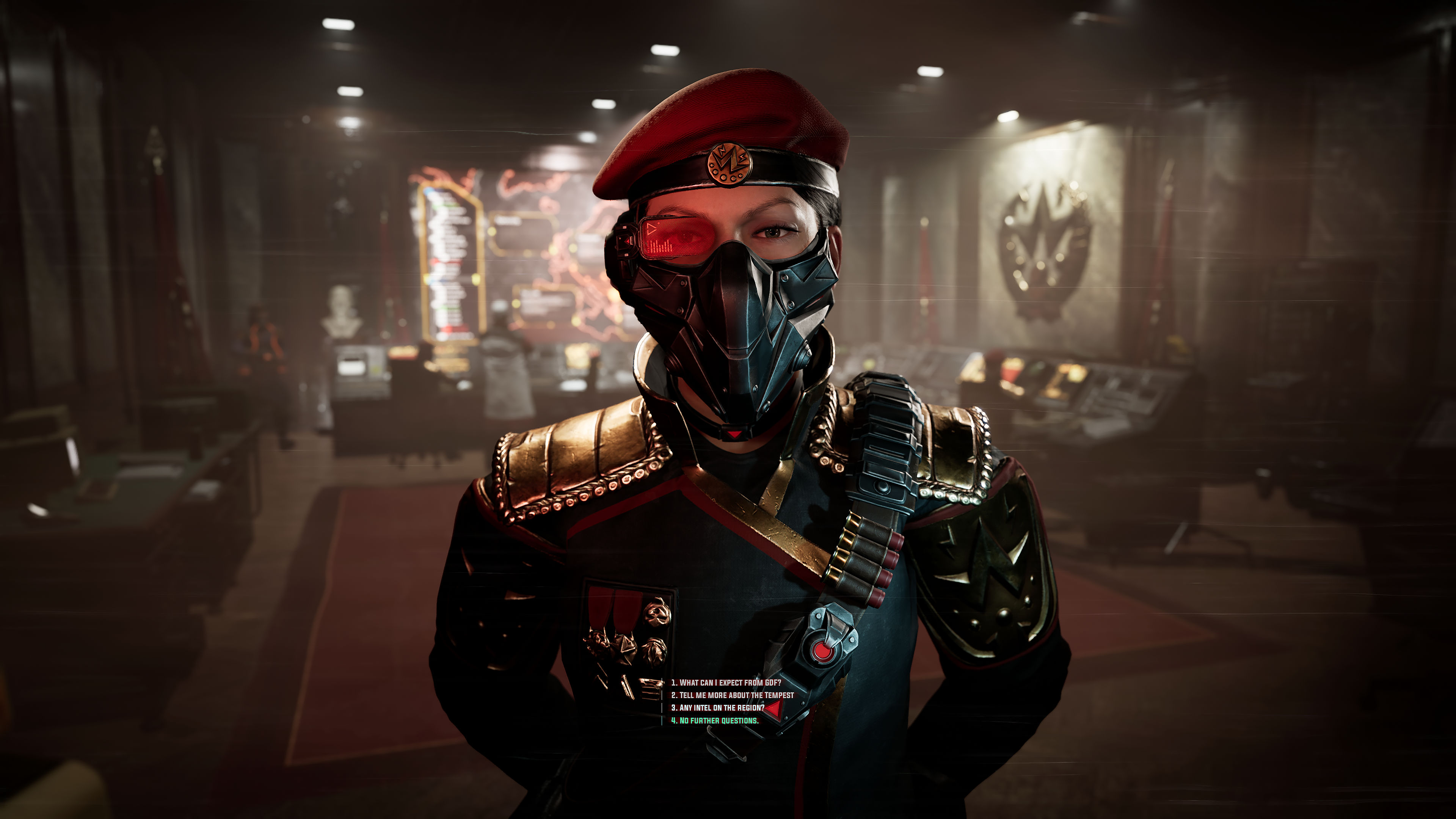
The demo focused solely on multiplayer, leaving the story mode—featuring two 11-mission campaigns, one per faction—for later exploration. The Tempest Dynasty (TD), a coalition of Eastern European and Asian nations, and the Global Defense Forces (GDF), an alliance of North American and Western European powers, are the playable factions. A third, currently unannounced faction, will be revealed later.
I gravitated towards the Tempest Dynasty, largely due to their amusing Tempest Sphere—a rolling death machine that obliterates infantry—and their unique "Plans" system. These Plans, activated at the Construction Yard, provide faction-wide bonuses. Switching between the Logistics Plan (faster building and resource gathering), the Martial Plan (increased unit attack speed and explosive resistance), and the Security Plan (reduced unit and building costs, improved repair, and enhanced radar) created a dynamic and engaging gameplay loop.
The Dynasty's mobile Tempest Rigs, which harvest resources independently, further enhance their flexible expansion strategy. Deploying these rigs to remote locations provided a secure and consistent income stream. The Salvage Van, capable of both repairing and destroying vehicles, added a layer of strategic depth, allowing for sneaky resource acquisition by eliminating enemy units. Finally, the ability to switch power plants to "Distribution Mode" for construction and attack speed boosts, albeit at the cost of taking damage, provided a powerful tactical option.
While I favored the Dynasty, the GDF offers a compelling alternative, emphasizing allied buffs, enemy debuffs, and battlefield control. The Marking mechanic, allowing units to debuff targeted enemies, is particularly effective.
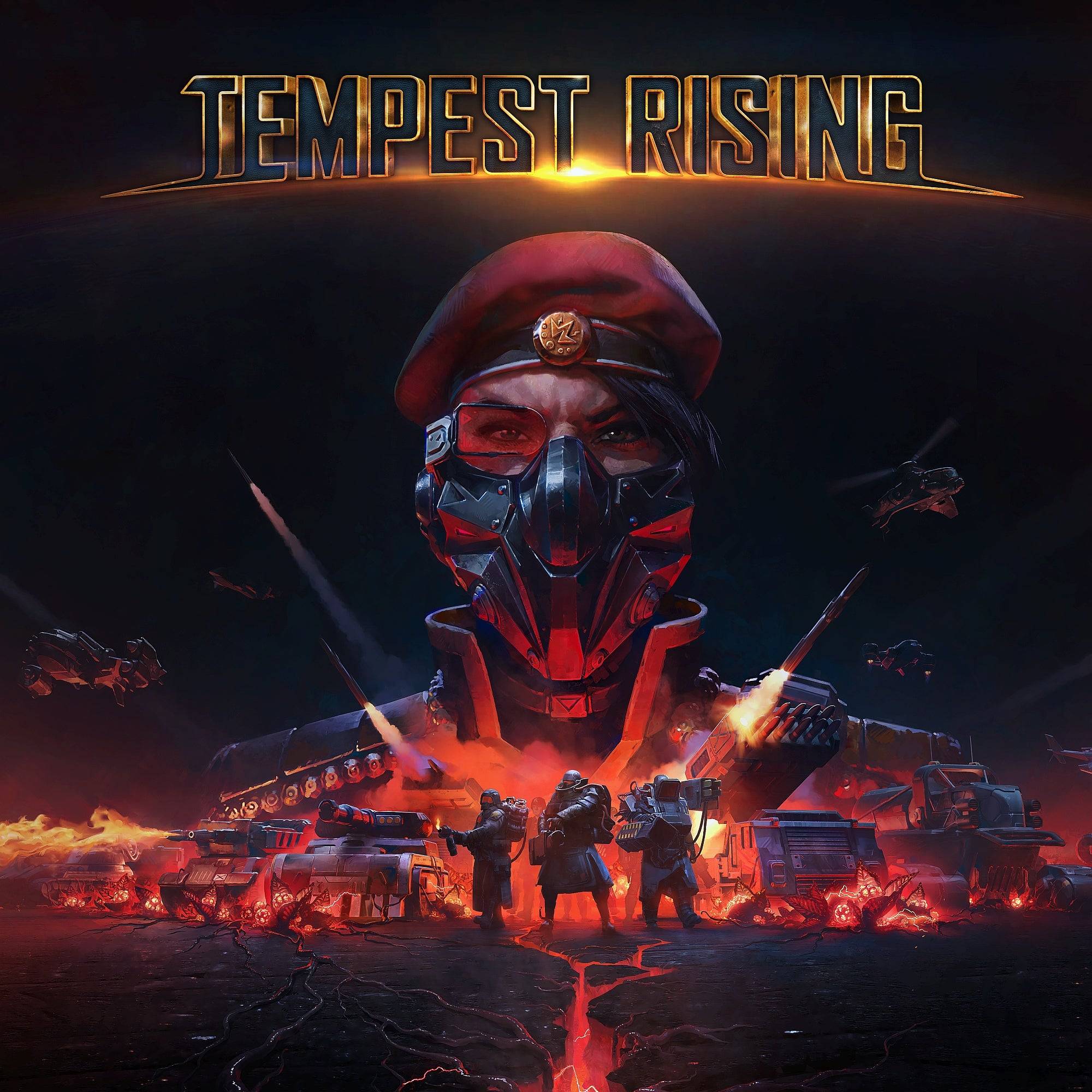 Tempest Rising3D Realms Wishlist
Both factions feature three distinct tech trees, offering strategic customization. In addition to the tech trees, powerful cooldown abilities, activated by constructing specific advanced buildings, add another layer of strategic depth.
The Dynasty's vulnerability to base loss is countered by the Lockdown ability, preventing enemy takeovers. The Field Infirmary, a deployable healing zone, provides crucial support.
The upcoming launch will include custom lobbies, allowing for cooperative gameplay against challenging AI opponents. Until then, I'll be content crushing bots with my army of death balls.